
Author: Rickie
Resveratrol Extract From Red Wine – Benefits Observed in Animals and Humans
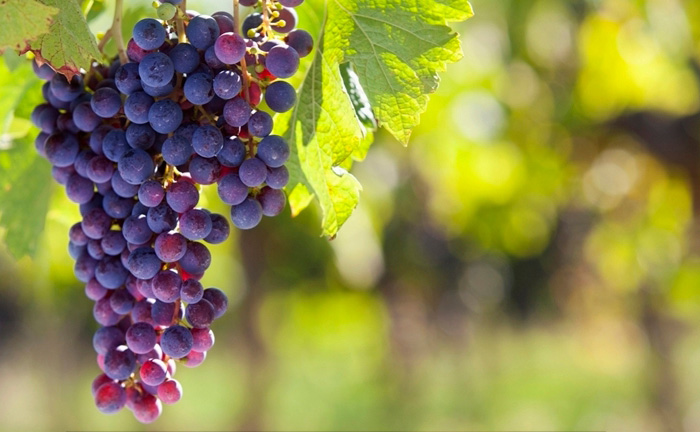
Posted onAnimal studies are one of the methods used by scientists and the research community use to determine the advantages and drawbacks of chemical compounds. From pharmaceutical drugs and medicines to nutritional supplements, active ingredients must first be tested in real subjects before confirmed benefits can be established. One such antioxidant currently being tested is called resveratrol. It is a compound found in nature; the skin and seeds of grapes, red wine, some fruits, and nuts. You’ll likely find a product with resveratrol extract in the form of vitamin capsules, tea, or accompanying acai berries in weight loss pills. But does it really work? The researchers have put this antioxidant to the test with some surprising results.
The French are known for their exquisite food and richly-saturated, high-fat meals. It has puzzled scientists and doctors alike because the average American diet is very much like that of the French, but with approximately 30% more instances of heart and cardiovascular disease. The medical community has now discovered, through a series of experiments using resveratrol extract in mice, that the red wine that you drink is the deciding factor in the health of the French person’s lifestyle. In a July 3, 2008 article published on the U.S. Department of Health and Human Services web site, researchers reported that the affected obese mice showed less overall cholesterol levels, had stronger aortas, and developed fewer occurrences of heart and cardiovascular disease. This powerful compound seems to mimic some of the health phenomena that result from “caloric restriction”. This is the reason the French can eat the way they do and still remain relatively healthy throughout their lives.
Dr. Sinclair, who participated in the scientific study, cautioned that further studies must be done before associating a direct correlation between results in mice and that which would be experienced in humans. This is because the human body is a much more complex being than a mouse. The benefits of resveratrol extract were also observed in previous findings published, including a study dated June 3, 2008 by the Public Library of Science One. This study found that in addition to the benefits noted above, anti-aging effects were also observed in the animal subjects. This included alteration of the genetic expression of some factors involved in the cellular aging process in the body including slowed aging of cardiac cells.
Resveratrol extract is easy to buy from online stores from the comfort of home with as little as an Internet connection. But just like any other supplement, do the research prior to making a decision to add this supplement to your daily vitamin regimen. The Internet is a free source of reviews, contact information of the institutions that conducted the lab tests, and forums that allow visitors to post questions and read what others are saying. The research is clear; there are many health benefits associated with this amazing compound found in red wine!
Related Red Wine Articles
White Wine Grapes Guide
Posted onGrapes used to make white wine produce an array of flavors and colors, with colors ranging from clear to a golden yellow as the wine ages. Since different climates affect the flavors of the grapes, different regions produce drastically different wines.
In extremely warm regions, the grapes become less acidic and the color of the wine tends to be more golden yellow. In temperate climates, there is more of a balance of acidity and also sweetness in the wine. Cool climates produce more acidic wines where the crop is prone to frost damage if not picked within the season. Chardonnay is perhaps the most well-known grape.
It is grown throughout wine producing regions of the world, but originated in Burgundy. The wine is typically light golden in color with melon and tropical flavors emerging in the wine. Riesling grapes produce a lighter bodied wine than Chardonnay and wine made from this grape usually is sweeter and has a flowery aroma. Sauvignon Blanc is a grape predominately found in France’s Loire Valley. It is a lighter wine that is often paired with a variety of food, including fish and poultry.
Pinot Blanc is a crisp wine that is sometimes made into sparkling wine in France. Champagne is the famous sparkling wine from the French region of Champagne. Only wines produced in this region can legally be called Champagne under a Protected Designation of Origin status.
Chardonnay grapes are most often used in making champagne, but blends with Pinot Noir are not uncommon. White wine grapes produce wine that is lower in tannins then red wine, since the wine is produced with minimal contact of the juice with the grape skins and seeds. The absence of the dry and intense flavor from high amounts of tannins make white wine easier for wine novices to begin tasting and enjoying wine.
Pre Menstrual Syndrome (PMS) And Diet – Red Wine
Posted onAs we mentioned in previous article, premenstrual syndrome is defined as faulty function of the ovaries related to the women’s menstrual cycle, it effects a women’s physical and emotional state, and sometimes interferes with daily activities as a result of hormone fluctuation. The syndrome occurs one to two weeks before menstruation and then declines when the period starts. In this article, we will discuss how red wine effects women with premenstrual syndrome.
It is recommended that women with PMS drink no more than 150 ml red wine a day
I. Definition
Red wine is an alcoholic beverage made of fermented grape juice without adding sugar, acids, enzyme or other yeasts. Moderate drinking red wine has been existed in Mediterranean cuisines for thousand of year in improving blood circulation in the body and decreasing the risk of heart disease and strokes.
II. How red wine effects women with PMS
1. Blood tonic
(Any food with red color is considered as blood and heart tonic in some traditional medicine). Red wine, in fact helps to release the blood stagnation in the body tissues and organs including the reproductive system thereby, decreasing the risk of premenstrual pain and cramps caused by blood stagnation in the abdominal region and increasing the transportation of nutrients to the nervous cell resulting in lessening the risk of fatigue, loss of concentration, and dizziness.
2. Melatonin
Moderate drinking (no more than 1 cup a day) red wine helps to improve the melatonin hormone thereby, increasing the function of internal clock in regulating “when it’s time to go to sleep and when it’s time to wake up” and lessening the risk of insomnia.
3. Flavonoids
Besides best known for it antioxidants property, it contains epicatechin, quercetin and luteol which also help to increase the digestive function in absorbing vital vitamins and minerals which are found deficient in women with PMS and inhibiting tumour growth.
4. Polyphenols
Red wine contains polyphenols which is a powerful antioxidant containing a polyphenolic substructure it has been used in combating neurodegenerative , some cardiovascular diseases. It also contains a chemical agent having anti-aging effects including slowing the process of skin wrinkling.
5. Resveratol
It also contains high levels of resvertol which is essential for immune system in inhibiting irregular cell growth and fighting against inflammation including the reproductive organs caused by cell oxidation.
finally, it recommend that you drink one to 2 cups of green tea to insure daily body detoxifying and increase production of stomach acid in absorbing vital vitamins and mineral. Green tea contains green tea oxidative agent, but is found to be absorbed by the body before reaching kidney.
Wine Making Hydrometer Basics
Posted onA hydrometer is an indispensable tool in the winemaker’s arsenal. Hydrometers are used at different stages in the wine making process, and by learning what your hydrometer is saying you’ll be able to refine your wine making techniques.
Basically, the heavier, or denser a liquid is, the higher the hydrometer will float. When just starting a batch of wine, the juice is “thick” with sugars. When fermentation occurs the juice goes from the thicker, syrupy consistency to a thinner liquid containing more alcohol. Thus, a hydrometer will float at different levels all throughout a fermentation as the liquid goes from “thicker” to “thinner”.
Specific Gravity is one scale on your hydrometer. This scale is based on the weight of water. A hydrometer floating in water will have a specific gravity of 1.000 When you start a batch of wine a typical specific gravity reading will be around 1.080. At that point the juice is 8 percent thicker than water. When fermentation is complete, the reading will be around 0.995, meaning that the sugar has been turned into alcohol and the juice is now thinner than water.
Another scale on your hydrometer is potential alcohol (PA). To arrive at potential alcohol readings you must measure the PA at the beginning of fermentation and also again at the end. An example might help here. Suppose you measure the PA of your juice at 14 % when beginning fermentation. This reading means that “potentially” you can get 14% alcohol from your juice. But not all fermentation use up every bit of sugar. If you take a reading when fermentation is complete and the PA is 1%, then your wine has 13% alcohol, the difference between the two readings.
Another scale on most hydrometers is Brix, also known as Balling. This is usually used by advanced wine makers and also commercial wineries. The Brix scale shows the percentage of sugar in the juice by weight. For instance, if you have a reading of 22 on the Brix scale, that means the juice is made up of 22% sugar by weight. Wineries will use this scale to determine that their juice can produce the percentage of alcohol they desire.
A hydrometer is a very useful tool for the homemade winemaker. The more you use one the more familiar you’ll become with the various scales and how powerful their information they provide can be.
How to Conduct a Wine Tasting
Posted onWine tasting is a fine art that has been perfected over time. While professional wine tastings are conducted by wine merchants and buyers, it is easy to have your own informal wine tasting at home with friends. Here are some tips to properly taste wine.
First, pick 3 to 6 wines. If you aren’t very familiar with wine yet and are just looking to explore some wines, pick some that you have been eying at the store, anything from red to white. If you want to conduct a more sophisticated wine tasting, limit your wine selection to one type of wine, such as Merlot or Chardonnay, or even to one vineyard. If you want each taste to be a surprise, put the bottles in brown bags so that you and your friends can’t see what wines have been chosen.
For each wine, pour a small amount of wine (2 ounces or less) into stemmed glasses. Smell the wine first to get an impression of the aroma. Taste the wine, then spit it out discreetly, or if you prefer to make your wine tasting more lively, feel free to consume the wine!
Between each sampling, have some small snack foods available to cleanse your palate. Bread with cheese and mild fresh fruit usually work well. Don’t get anything too strong that will interfere with the taste of the wine. Have water available and rinse the wine glasses by swirling some water inside and dumping it out. Continue with each wine until you and your friends have had a chance to taste them all. To make it more interesting, you could set up a contest to see who can correctly guess the type of wine for each bottle.
Wine tasting is a great way to try several wines and learn about the large diversity of wines available. While wine tasting can be as sophisticated and formal as you desire, it can also be as fun and unique an experience as you and your friends want. Think of your own fun personal touches to add to your wine tasting, such as a theme, blindfolded tasting, making special snacks, and more.
For more information on foods to pair with your wine and recipes to try, please visit the informative, interactive food website CD Kitchen here.
Featured wine
popular posts
-

Why Zinfandel is Uniquely American In the sprawling narrative of wine, most noble grape varieties carry passports from the Old World
8-25 2026Cabernet Sauvignon is French, Riesling is German, and Sangiovese is Italian. Yet, one grape—vibrant, bold, and unapologetically fruit-forward—has staked a claim as the quintessential Read More
-
The Rise of a Distinctive Terroir
8-24 2026Rise of a Distinctive Terroir** In the rolling hills of California’s Central Coast, Paso Robles has emerged as one of the most compelling wine Read More