
Author: Rickie
re is a professional English article written in a clear, journalistic style suitable for a wine industry publication or blog
Posted on—
Title: How Climate Change Affects Cabernet Sauvignon
By [Your Name/Publication]
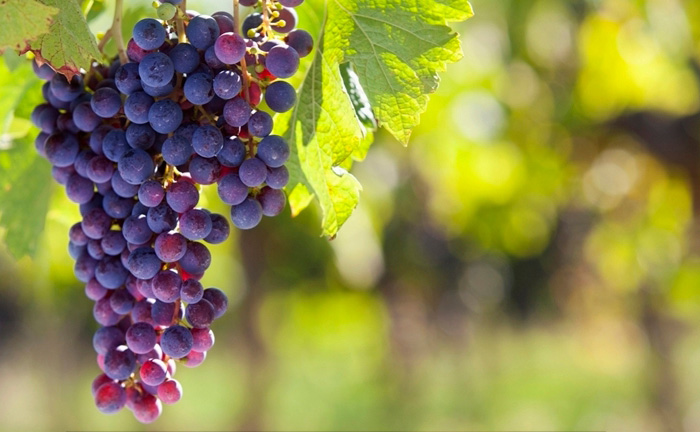
Cabernet Sauvignon, the world’s most widely planted and revered red wine grape, is a paradox. It is lauded for its thick skin, late ripening, and remarkable adaptability, traits that have allowed it to thrive from the gravelly soils of Bordeaux to the sun-drenched hills of Napa Valley. However, the accelerating effects of climate change are now testing the limits of this resilient varietal, fundamentally altering its character, its geography, and the economics of its production.
The relationship between Cabernet Sauvignon and heat is a delicate balancing act. The grape requires a long, warm growing season to fully develop its signature dark fruit flavors—blackcurrant, black cherry, and plum—while retaining the acidity and structural tannins necessary for aging. Climate change is tipping this balance, pushing many classic regions into a state of “over-ripeness.”
The Sugar-Alcohol Spiral
The most immediate and measurable impact is the rise in sugar accumulation. As average temperatures increase, photosynthesis accelerates, driving up sugar levels in the berries before phenolic ripeness (the development of desirable tannins and color) is achieved. Winemakers face a difficult choice: harvest early to preserve acidity, resulting in green, unripe tannins, or wait for flavor maturity and risk producing wines with potentially high alcohol levels (often exceeding 15-16% ABV) and a “jammy,” stewed fruit character that masks the grape’s classic elegance.
In regions like Bordeaux, where the growing season is now consistently hotter than in the past, the traditional challenge of achieving full ripeness has shifted to a struggle against excessive ripeness. This has led to a stylistic shift, with some producers picking earlier or employing techniques like reverse osmosis to manage alcohol, while others embrace a more powerful, international style that critics argue lacks the finesse of previous vintages.
Tannin and Acid Disruption
High temperatures do not just affect sugar. They also degrade the acids (tartaric and malic) that give Cabernet Sauvignon its structure and freshness. A wine with low acidity feels flat and flabby on the palate, lacking the “backbone” necessary to pair with food or age gracefully. Simultaneously, extreme heat can “cook” the seeds and skins, extracting harsh, bitter tannins rather than the fine-grained, ripe tannins that define a great Cabernet. The result is a wine that may be powerful but lacks harmony and balance.
The Great Geographical Shift
Climate change is redrawing the world’s viticultural map. Historically marginal regions for Cabernet Sauvignon are now becoming viable, while established havens face existential threats.
Cool-climate regions like the Okanagan Valley in Canada, the Willamette Valley in Oregon (historically better suited for Pinot Noir), and parts of England are now successfully producing high-quality, balanced Cabernet Sauvignon. These areas benefit from cooler nights that preserve acidity, mimicking the classic structure of a pre-warming Bordeaux.
Conversely, some of the world’s most iconic regions are reaching their thermal limits. Parts of Napa Valley, Australia’s Barossa Valley, and Spain’s La Mancha are facing more frequent and intense heatwaves. During the 2020 Glass Fire and the 2021 heat dome in the Pacific Northwest, entire vintages were compromised, with grapes shriveling on the vine. For these regions, the question is no longer *if* the climate will change, but *how* to adapt.
Adaptation: The Winemaker’s Arsenal
Producers are not passive victims. They are deploying a sophisticated array of strategies to combat the effects of warming:
Canopy management is critical. Leaving more leaves to shade the fruit can lower berry temperature by several degrees. Trellising systems are being modified to increase airflow and reduce sun exposure.
Nurseries are developing heat- and drought-resistant rootstocks. Furthermore, winemakers are selecting specific clones of Cabernet Sauvignon that ripen later or retain acidity better under heat stress.
In regions facing drought, precision irrigation using soil moisture sensors is now standard. Some growers are experimenting with deficit irrigation strategies, purposely stressing the vine to concentrate flavors while slowing sugar accumulation.
The most valuable real estate in the world is shifting to higher altitudes, coastal slopes with cooling fog, or north-facing hillsides (in the Northern Hemisphere) that receive less direct afternoon sun.
The Future of a Classic
The Cabernet Sauvignon of 2050 will likely be different from the one we know today. It may come from new regions, be lower in alcohol, and possess a different flavor profile—perhaps more savory and structured, less overtly fruity. The classic Bordeaux blend may include a higher percentage of heat-tolerant grapes like Petit Verdot or Marselan.
While the grape’s inherent plasticity gives it a fighting chance, the high cost of adaptation will likely lead to a stratification of the market. Entry-level Cabernet from warm, flat plains may become simple and overripe. The finest examples, however, will come from a precious few “climate refugia”—cool, high-altitude or coastal sites where the delicate balance of sun, heat, and cool nights can still be achieved.
Ultimately, climate change is forcing the wine world to re-evaluate its very definition of quality for Cabernet Sauvignon. The question is not whether the grape will survive, but whether the wines that survive will still be recognizable as the elegant, age-worthy icons we have come to love.
“High-alcohol Zinfandel reviews”
Posted ontitled “High-alcohol Zinfandel reviews”.
—
High-Alcohol Zinfandel Reviews: Power, Balance, and the Art of the Bold
In the world of red wine, few varietals inspire as much passionate debate as Zinfandel. Known for its jammy fruit, peppery spice, and—most controversially—its often soaring alcohol content, high-alcohol Zinfandel has become a hallmark of California winemaking. These wines, frequently clocking in between 15% and 16.5% ABV, are not for the faint of heart. They are bold, unapologetic, and demand respect.
But does higher alcohol always mean a better wine? We conducted a blind tasting of five highly-rated, high-alcohol Zinfandels to find out where power meets finesse.
The Methodology
We evaluated each wine based on four criteria: Aroma Intensity, Palate Balance (the integration of alcohol, fruit, and tannin), Finish Length, and Overall Drinkability. All wines were decanted for one hour to allow the ethanol to integrate.
—
1. Turley Wine Cellars “Old Vines” Zinfandel (2021) – 15.9% ABV
Score: 93/100
The Review: Turley is the benchmark for high-octane Zinfandel. The 2021 Old Vines bottling is a masterclass in extraction. The nose explodes with blackberry liqueur, crème de cassis, and a distinct note of white pepper. On the palate, the alcohol is present but remarkably well-managed. It provides a warming sensation that coats the mouth without burning the throat. The tannins are silky, and the finish lingers with notes of dark chocolate and dried herbs.
Verdict: A powerhouse that retains elegance. Best paired with a heavily marbled ribeye or aged Gouda.
—
2. Ridge Vineyards “Geyserville” Zinfandel (2019) – 15.2% ABV
Score: 94/100
The Review: This is the intellectual’s high-alcohol Zin. While it sits at a relatively moderate 15.2%, it drinks with the complexity of a wine far above its price point. The alcohol is almost invisible, seamlessly integrated into a matrix of bright red cherry, pomegranate, and a distinct granite minerality. The finish is long, dry, and slightly savory, thanks to the inclusion of Carignane and Petite Sirah in the blend.
Verdict: The gold standard for balance. It proves that high alcohol does not have to mean “hot” wine. Ideal for roasted lamb or mushroom risotto.
—
3. The Prisoner “The Snitch” Zinfandel (2020) – 16.0% ABV
Score: 89/100
The Review: The Prisoner brand is famous for its bold, crowd-pleasing style, and “The Snitch” is no exception. This wine is a fruit bomb in the truest sense. Aromas of maraschino cherry, vanilla, and sweet baking spices leap from the glass. However, the high alcohol here is more noticeable. The finish carries a slight heat and a hint of bitterness from the oak. It is delicious and dangerously easy to drink, but lacks the structural integrity of the Ridge or Turley offerings.
Verdict: A party wine. Great for casual sipping with spicy BBQ, but not a contemplative bottle.
—
4. Bedrock Wine Co. “Old Vine” Zinfandel (2021) – 15.5% ABV
Score: 91/100
The Review: Bedrock is known for sourcing from historic, pre-Prohibition vines. This pedigree shows. Despite the high alcohol, the wine feels surprisingly light on its feet. The fruit profile is more red than black—think wild strawberry and cranberry—layered with notes of tobacco leaf and sage. The alcohol manifests as a gentle warmth on the mid-palate, but never overwhelms the delicate fruit.
Verdict: A nuanced, terroir-driven Zinfandel. Perfect for those who want the power of high alcohol without the weight.
—
5. Lodi Native “Mettler Family Vineyards” Zinfandel (2018) – 15.8% ABV
Score: 87/100
The Review: Lodi is the epicenter of high-alcohol Zinfandel, and this bottling is a classic example. It is ripe, raisiny, and intensely sweet on the nose. The alcohol is the most prominent feature here, creating a “hot” finish that lingers a bit too long. While there is plenty of fruit—black cherry and plum—the wine lacks the acidity to keep it fresh.
Verdict: A textbook “big” Zin, but one that could benefit from more acid structure. Best served with sweet, smoky ribs to match its intensity.
—
The Final Analysis:
Is Higher Alcohol Better?
The tasting revealed a clear truth: Alcohol percentage is not a quality indicator. The best wines (Ridge and Bedrock) used the alcohol as a supporting actor, not the star. They employed old vine concentration and careful oak management to create a sense of harmony.
The wines that struggled (Lodi Native and, to a lesser extent, The Prisoner) allowed the alcohol to dominate, resulting in a disjointed experience.
Conclusion
If you are a fan of bold, powerful reds, high-alcohol Zinfandel offers an exhilarating ride. Look for producers who prioritize balance over brute force. Seek out wines from Ridge, Turley, and Bedrock—they prove that a 15.5% ABV wine can be as elegant as it is potent.
Recommendation: Decant these wines for at least 45 minutes. Serve at 60°F (15°C), slightly cooler than room temperature, to tame the alcohol and let the fruit shine.
re is a professional English article tailored to the topic “Aging potential of premium Syrah,” written in a formal, wine-industry style
Posted on—
Title: Aging Potential of Premium Syrah
Introduction
In the pantheon of noble red wine varieties, Syrah often occupies a paradoxical position. While it is globally recognized for producing approachable, fruit-forward wines in regions like Australia (where it is known as Shiraz), the variety’s true potential for long-term cellaring is most profoundly realized in its classic European expressions and certain New World cult bottlings. The aging potential of premium Syrah is not merely a function of time; it is a complex interplay of viticultural rigor, phenolic maturity, and structural integrity.
The Structural Framework: Tannin and Acidity
The foundation of any age-worthy wine lies in its structure. Premium Syrah, particularly from cool-climate appellations such as the Northern Rhône (Côte-Rôtie, Hermitage, Cornas) or high-altitude sites in California and South Africa, possesses a unique tannin profile. Unlike the soft, granular tannins of Pinot Noir or the robust, drying tannins of young Cabernet Sauvignon, Syrah’s tannins are often described as “silty” or “grippy.”
These tannins are derived from the thick skins of the Syrah berry and, critically, from the inclusion of whole clusters during fermentation in many traditional winemaking practices. Over time—typically 10 to 20 years for top examples—these phenolic compounds polymerize. The aggressive grip of youth softens into a velvety texture, creating a mouthfeel that is both powerful and refined. Concurrently, the wine’s natural acidity, which can be surprisingly high in cooler vintages, acts as a preservative, maintaining freshness and preventing the wine from tasting flat or stewed.
The Evolution of Aroma and Flavor
A young premium Syrah is a kaleidoscope of primary fruit: blackberry, blueberry, cassis, and often a distinct note of cracked black pepper (rotundone). As it ages, this fruit spectrum undergoes a dramatic transformation. The primary fruit recedes, yielding to a complex suite of secondary and tertiary aromas.
After five to ten years, notes of violet, lavender, and garrigue (the herbaceous scrubland of Southern France) often emerge. With further cellaring—fifteen years and beyond—the wine develops profound savory characteristics: leather, truffle, smoked meat, bacon fat, and a distinct minerality often described as “ferrous” or “blood-like.” This savory evolution is the hallmark of a properly aged Syrah, distinguishing it from the confected sweetness of overripe, young examples.
Terroir and Winemaking: The Decisive Factors
Not all Syrah is created equal for long-term aging. The key differentiators are terroir and winemaking philosophy.
Granite-based soils, particularly those of the Northern Rhône, are legendary for producing Syrah with extraordinary longevity. Granite provides excellent drainage and heat retention, forcing the vine to struggle, which concentrates flavors and promotes thicker skins. Conversely, Syrah grown on fertile, alluvial plains often produces wines that are lush and enjoyable young but lack the structural tension to evolve gracefully over decades.
The use of whole-bunch fermentation (including stems) adds additional tannin and complexity, often extending the wine’s life. The choice of oak is also critical. Over-reliance on new, heavily toasted oak can mask the purity of the fruit and overwhelm the wine’s natural elegance. The finest age-worthy Syrah uses oak as a subtle seasoning, not a dominant flavor.
Conclusion
The aging potential of premium Syrah is a testament to the variety’s duality: it can be both a generous, immediate pleasure and a patient, intellectual investment. For the collector, a case of 2019 Hermitage or a single-vineyard Syrah from California’s Santa Barbara Highlands is not merely a purchase; it is a commitment to a two-decade journey of discovery. When allowed to mature, premium Syrah transcends its varietal definition, offering a sensory experience that is as much about history and place as it is about the grape itself. For those patient enough to wait, the reward is a wine of profound complexity, balance, and soul.
—
Malbec for Barbecue Pairing Ideas When it comes to pairing wine with barbecue, few varietals deliver the same bold, smoky harmony as Malbec
Posted onOriginating from France but perfected in Argentina, Malbec has become a go-to red wine for grilled meats, thanks to its deep fruit flavors, moderate tannins, and earthy finish. Whether you’re firing up the grill for a backyard cookout or hosting a summer feast, here are some inspired pairing ideas to elevate your barbecue experience.
Why Malbec Works with Barbecue
Malbec’s profile is tailor-made for barbecue. Its dark fruit notes—blackberry, plum, and cherry—complement the caramelized crust of grilled meats, while its subtle hints of cocoa, leather, and spice mirror the smokiness from charcoal or wood. The wine’s medium-to-full body stands up to rich, fatty cuts without overwhelming the palate. Moreover, Malbec’s moderate acidity helps cut through the richness of sauces and marinades, making each bite feel fresh and balanced.
Classic Pairing:
Grilled Steak
The most iconic match for Malbec is a perfectly grilled steak. Whether you prefer a ribeye, sirloin, or flank steak, the wine’s structure enhances the beef’s savory umami. For a traditional Argentine experience, season the steak simply with coarse salt and grill over hot coals. The wine’s dark fruit and soft tannins will echo the charred exterior while softening the meat’s texture. A chimichurri sauce—made with parsley, garlic, vinegar, and olive oil—adds a bright, herbal contrast that lifts the wine’s earthy undertones.
Smoky Ribs and Malbec
Barbecue ribs, whether pork or beef, are another excellent partner for Malbec. The wine’s smoky notes align beautifully with the slow-cooked, wood-fired flavors of ribs. If you’re using a sweet or tangy barbecue sauce, choose a Malbec with a touch of oak aging—this adds vanilla and spice notes that harmonize with the sauce’s complexity. For dry-rubbed ribs, opt for a fruit-forward Malbec to highlight the spices without competing.
Spicy Sausages and Malbec
Grilled sausages, from chorizo to bratwurst, bring heat and robust seasoning that Malbec handles with ease. The wine’s ripe fruit tempers spiciness, while its earthy finish balances the fat content. For chorizo, which often features paprika and garlic, a Malbec from Mendoza’s high-altitude vineyards offers vibrant acidity and concentrated berry flavors that stand up to the bold seasoning. Serve with a side of grilled peppers and onions for a complete flavor experience.
Lamb Chops with Herb Crust
Lamb’s gamey richness is a natural companion for Malbec. Prepare lamb chops with a crust of rosemary, thyme, and garlic, then grill to medium-rare. The wine’s dark fruit and subtle smokiness echo the herbs and char, while its tannins soften the lamb’s intensity. A Malbec with a bit of age—two to three years—will have developed softer tannins and more complex notes of dried fruit and leather, making it an elegant choice for this pairing.
Vegetarian Barbecue Options
Malbec isn’t limited to meat. Grilled vegetables like portobello mushrooms, eggplants, and bell peppers develop deep, savory flavors that pair beautifully with this wine. The mushrooms’ umami and the peppers’ sweetness mirror Malbec’s earthy and fruity dimensions. For a heartier option, try a grilled halloumi cheese or a smoky black bean burger. The wine’s structure holds up well to these plant-based proteins, offering a satisfying pairing for vegetarian guests.
Sauce and Marinade Considerations
When pairing Malbec with barbecue, pay attention to your sauces and marinades. Sweet or molasses-based sauces call for a Malbec with bright acidity to prevent the pairing from becoming cloying. Spicy or vinegar-based sauces benefit from a fruit-forward Malbec that can match the intensity. For mustard-based sauces, choose a Malbec with herbal notes to complement the tanginess. Avoid overly oaked or high-alcohol Malbecs if your barbecue features delicate flavors, as they may overpower the dish.
Serving Tips
Serve Malbec slightly below room temperature, around 60–65°F (15–18°C), to keep its fruit flavors vibrant. Decanting for 30 minutes before serving can help soften tannins and open up aromas, especially for younger wines. Use large-bowled glasses to allow the wine to breathe and release its bouquet. And don’t forget to have plenty of water and fresh bread on hand to cleanse the palate between bites.
Final Thoughts
Malbec’s versatility and bold character make it a standout choice for barbecue pairing. From classic steaks to smoky ribs, spicy sausages, and even grilled vegetables, this wine adapts to a wide range of flavors and cooking styles. Whether you’re a seasoned grill master or a weekend enthusiast, experimenting with Malbec will add depth and enjoyment to your outdoor dining. So light the grill, open a bottle, and let the pairing begin.
re is a professional English article on the requested topic, formatted with clear headings and subheadings for readability
Posted on—
Title: Climate Change Effects on Merlot Grapes
Introduction
Merlot, one of the world’s most widely planted and beloved red wine grape varieties, is facing an existential challenge: climate change. Known for its soft tannins, plum-driven fruit profile, and adaptability, Merlot has historically thrived in moderate climates such as Bordeaux, Washington State, and Northern Italy. However, rising global temperatures, shifting precipitation patterns, and increased weather volatility are fundamentally altering the conditions under which this grape is grown. These changes are not merely incremental; they are reshaping the chemical composition, phenolic ripeness, and regional viability of Merlot, with profound implications for winemakers, consumers, and the wine industry at large.
1. Accelerated Ripening and Sugar Accumulation
One of the most immediate and measurable effects of climate change on Merlot is the acceleration of the ripening cycle. Warmer average temperatures cause grapes to reach physiological maturity earlier in the growing season. This shift leads to higher sugar accumulation in the berries before the development of optimal flavor and tannin structure.
For Merlot, this creates a problematic disconnect. The grape may achieve high potential alcohol levels (often exceeding 15% ABV) while still retaining green, herbaceous, or vegetal notes. The resulting wines can become unbalanced—high in alcohol but lacking the complex, ripe fruit character and soft, integrated tannins that define premium Merlot. Winemakers are increasingly forced to pick earlier to preserve acidity, or later to achieve flavor ripeness, often sacrificing one quality for the other.
2. Loss of Acidity and pH Imbalance
Acidity is the backbone of a wine’s freshness, structure, and aging potential. Merlot, naturally a moderate-acid variety, is particularly sensitive to temperature increases. As heat accumulates, malic acid—the primary acid in grapes—is respired more rapidly during the ripening process. This leads to a significant drop in total acidity and a corresponding rise in pH.
A high pH (above 3.7) makes wine microbiologically unstable, more prone to oxidation, and less vibrant on the palate. For Merlot, this loss of acidity can result in flabby, flat wines that lack the refreshing lift that balances the grape’s fruit-forward profile. In regions like Bordeaux, where Merlot is a cornerstone of the Right Bank appellations, maintaining adequate acidity has become a primary concern, with some vintages producing wines that are atypically soft and short-lived.
3. Tannin and Phenolic Development
The phenolic ripeness of Merlot—the development of color, tannin, and flavor compounds—is intricately linked to temperature. While moderate heat can enhance color intensity and the perception of ripe fruit, excessive heat can lead to the degradation of anthocyanins (color pigments) and the over-polymerization of tannins.
In the context of Merlot, this often manifests as wines that are darker in color but with tannins that can become harsh, dry, or bitter if the grapes are exposed to heat spikes during the final ripening window. The classic Merlot profile of supple, velvety tannins is increasingly difficult to achieve. Conversely, in cooler years, insufficient heat can leave tannins underripe and green. The narrowing window for optimal phenolic ripeness is a direct consequence of a more volatile climate.
4. Shifting Geographic Viability
Perhaps the most profound long-term effect of climate change is the shift in where Merlot can be successfully cultivated. Traditional cool-climate regions that once produced elegant, structured Merlot are now becoming warmer, forcing growers to adapt or abandon the variety.
Merlot, which accounts for over 60% of Bordeaux’s plantings, is experiencing earlier harvests by two to three weeks compared to 30 years ago. The 2003, 2018, and 2022 vintages are stark examples of extreme heat and drought stress. Some producers are now grafting Merlot onto more drought-resistant rootstocks or considering replanting with more heat-tolerant varieties like Cabernet Sauvignon or Petit Verdot.
The Columbia Valley, a key Merlot region, has seen a steady increase in growing degree days. While this has initially benefited the variety by ensuring full ripeness, the risk of heat damage and smoke taint from wildfires is rising.
Traditionally a region for fresh, food-friendly Merlot, warming has led to higher alcohol levels and a loss of the characteristic floral and herbal notes.
Conversely, cooler regions previously considered marginal for viticulture—such as the Loire Valley, Southern England, and parts of Patagonia (Argentina)—are now being explored for Merlot production. This geographic shift represents a significant, long-term restructuring of the global wine map.
5. Increased Incidence of Extreme Weather Events
Beyond gradual warming, climate change amplifies the frequency and intensity of extreme weather events, which are particularly damaging to Merlot.
Sudden, intense heat spikes during veraison (the onset of ripening) can cause sunburn on grapes, leading to raisining, dehydration, and off-flavors.
Prolonged periods without rain reduce berry size, concentrate sugars, and can shut down photosynthesis, leading to incomplete ripening and leaf drop.
In regions like California, Oregon, and Australia, smoke from nearby wildfires can be absorbed by grape skins, imparting unpleasant smoky, ashy, and medicinal flavors to the finished wine. Merlot, with its thin skin and relatively high surface-area-to-volume ratio, is particularly susceptible to smoke taint.
Warmer winters can cause early budbreak, which then becomes vulnerable to late-spring frosts. Hail events, more common in a volatile climate, can destroy entire crops in minutes.
6. Adaptation Strategies for Winemakers and Growers
In response to these challenges, the wine industry is developing a suite of adaptation strategies to preserve the quality and identity of Merlot.
Techniques such as leaf pulling (to reduce sun exposure), altered trellising systems (to provide shade), and careful irrigation management are becoming standard.
Growers are selecting rootstocks that are more drought-tolerant and heat-resistant. Clonal selection is also critical, with some clones of Merlot naturally retaining higher acidity or developing thicker skins.
Precision harvesting—picking at night or in multiple passes—is used to manage sugar and acid levels. In the cellar, techniques like acidulation (adding tartaric acid), reverse osmosis (to reduce alcohol), and gentle extraction methods are employed to mitigate the effects of over-ripeness.
The most drastic but perhaps most necessary strategy is the gradual relocation of Merlot plantings to higher altitudes, cooler slopes, or entirely new geographic regions.
Conclusion
Climate change is not a distant threat for Merlot; it is a present and accelerating reality. The grape’s classic profile—balanced, supple, and fruit-forward—is being systematically destabilized by rising temperatures, shifting acidity, and increased weather volatility. While adaptation strategies offer some hope, they are often costly and cannot fully replicate the conditions that once defined the world’s great Merlot-based wines. The future of Merlot may lie not in the regions where it built its reputation, but in new, cooler frontiers. For wine lovers, understanding these changes is crucial—not only to appreciate the wines of today but to anticipate the profound transformation of one of the world’s most cherished grape varieties.
Featured wine
popular posts
-
The Rise of a Distinctive Terroir
8-24 2026Rise of a Distinctive Terroir** In the rolling hills of California’s Central Coast, Paso Robles has emerged as one of the most compelling wine Read More
-
Vegan Malbec Wine Options 2025: A Comprehensive Guide for the Conscious Connoisseur The world of wine is undergoing a quiet revolution
8-23 2026As consumers become increasingly mindful of their dietary choices and their environmental footprint, the demand for vegan-friendly wines has surged. No longer a niche Read More