
Author: Rickie
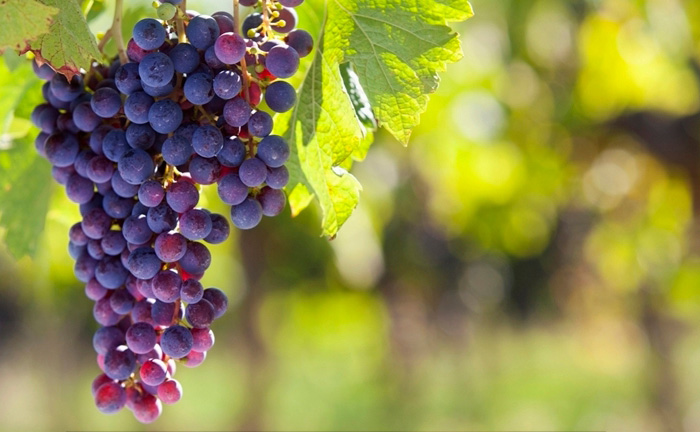
Wine Grapes for Growing
Posted onWhen it comes to varieties of wine grapes for growing, it would take an enormous amount of time. So, let’s look at just a few of the most popular.
Black Spanish Southern Wine Grapes: This grape is juicy with a blackish-blue skin. This grape is good for making juice, jelly or wine. The vine is a great producer that is resistant to Pierce Disease and mildew. This grape is more suited for hot climates. The wine is similar to a Merlot or Cabernet wine. The grapes usually ripen in August to September
Blanc du Bois Wine Grapes: This grape is best suited for hot climates. This is an award-winning cultivar that makes excellent premium white wine. This grape is very resistant to Pierce disease.
Cabernet Sauvignon Wine Grapes: This grape is a small, round black renowned red wine producer. The fruit ripens in late September to October and can be grown in fairly cold to hot climates (not cold).
Champagne Wine Grape: This is a tiny grape also known as Black Corinth. The plant is suited mostly for hot climates.
Champanel Wine Grape: This grape can be used as a table grape or a wine grape. The plant is suited mostly for hot humid climates. The plant is resistant to heat and drought and also resistant to Pierce disease. This vine produces large, loose clusters of grapes. The fruit usually ripens in early July.
Chardonnay Wine Grapes: This vine produces a small round grape with a green skin. This grape is primarily used for making white wine. The fruit is usually harvested in late September through early October. This plant will grow in cold to hot climates.
Pinot Noir Wine Grape: This grape is a variety of the famous Burgandy wine region in Northern France. Some growers say the vine is finicky to grow. This vine grows best in cool to hot climates.
Sauvignon Blanc Wine Grape: This variety is used to make quality white table wines. The fruit is small, well formed in compact clusters and has a greenish color. This grape may produce a natural sweet wine. The plant ripens in mid-August to early September and likes cool to hot climates.
Merlot Wine Grape: The fruit grows in medium to large cluster. The grapes are medium sized, round bluish-black and ripens in late September to early October. This grape prefers cool to hot climates.
Pinot Gris Wine Grapes: This grape makes a low acid, white wine of exceptional color and taste. The flavor has been described as having a pear and spice cake flavor. The vine is also known as the Pinot Grigio which is thought to be a clone of the Pinot Noir. The fruit is a deep yellow to a copper color. The flavor will depend on the region it is grown in. The vines prefer cool to hot tempetures.
Zinfandel Wine Grape: The plant produces a purple to black colored grape. The fruit is juicy and medium size with a round shape. The grapes ripen in August and grow well in cool to hot climates.
This is just eleven of thousands of grape varieties. Therefore, you should check with the agriculture department in your area to find out what type of grape will grow best in your climate.
Happy grape growing,
S. S. Barnett
Wine: A Hungarian Tradition
Posted onDespite what many may think, the area known as Hungary holds more wine tradition than any other country in Europe. Most of this very tradition is just now surfacing in the light, with people finally starting to catch wind about everything Hungarian wine has to offer. Even though many wine drinkers aren’t familiar with Hungary – there are many who are.
Hungary is home to over 20 wine regions, fully of forests, vineyards, and orchards. With several different varieties of grapes to offer, the vineyards found in Hungary have flourished since the great Roman Times. The weather in Hungary is seasonal to say the least, with cold winters and extremely hot summers. This weather allows the soil in the country to be diverse, which allows wine makers to create a variety of quality wines.
Despite the communist control in the past, there are several different wines found in Hungary. Although the vineyards here produce a lot of excellent wines, Tokay Aszu is by far the favorite here and the wine that locals always love raising their glass to. Tokay Aszu is a popular wine with meals or dessert, in Hungary and also happens to be one of the most popular dessert wines in the entire world.
Tokay Aszu was discovered in the mid 17th century in Hungary, quickly becoming a favorite for many European aristocrats. Even though it was great to the taste, many believed that certain types of the wine had mystical healing powers. Although this was strictly a rumor, it actually helped the wine become more popular than ever. Over the years, Tokay Aszu was one indeed the most popular wine in Hungary, spreading to other areas of the world as well.
Egri Bikaver, also referred to as Bulls Blood is another popular wine found in Hungary. This is another popular wine for locals, and can be found throughout the world as well. Getting it’s name from it’s color, Bulls Blood is truly a feast for anyone who likes wine. The wine is dark red in color, yet sweet to the taste. The wine was first developed back in the 16th century, and remains popular even to this day.
If you ever visit Hungary, there are many places you can visit to get some great wine. You should also make a point to visit Tokay, located in the northeast. You can take a train from Budapest and arrive here in a few hours. There are several different wine flavors and varieties here, sure to please just about anyone. The wineries found throughout the Tokay area are normally open for tours and tasters from May to the end of October. If you visit during these months, you can tour the underground cellars, sample the superb wine, and learn more than you ever thought possible about the manufacturing of Hungarian wines.
All in the all, the wine found in Hungary is great to have in your collection or just have around the house for special occasions. You can get it by the bottle, the glass, or by the case. All types of Hungarian wine has been perfected over the years, making it something that you really can’t go wrong with. If you like to drink wine, as most of us do, you really can’t go wrong with any type of Hungarian wine. Hungarian wine gives wine lovers plenty to study, plenty to order, and plenty to drink. The wine is very tasty and refreshing – and it helps to keep the nation of Hungary thirsty for more.
To read about ovulation cramps and neck cramp, visit the Cure For Cramps site.
More Syrah Wine Articles
Delicate Lolita Wine Glasses
Posted onA simple item used for serving beverage had been innovated to add aesthetics to certain events as well as to be utilized as giveaways and collectibles. Lolita wine glasses were martini wine glasses added with details pertaining to witty lines or hand painted artworks. This was created by Lolita Healy as she took notice of this martini menu on a regular party night with friends. She has observed that the variation in the menu actually points to the characteristics of women. The items then grew popular as it has been a favorite by many consumers who were attracted to its bizarre style. It does not only reflect the feminine mode but also showcases elegance.
There are a number of different uses of such fragile item aside from its typical employ for beverage. It circumstances as special occasions, it can absolutely add on a sense of artistic mood in whatever themes. It can be customized to reflect the luxury of the event and the personality of the hosts. Unlike ordinary wine glasses, the lolita wine glasses should be handled with extreme caution. It is more delicate, higher in cost compared to regular wine glasses and not easy to find. Momentous events require very significant gift items to take hold of the memories. It should be well thought of and very particular to the celebration. Thus the Lolita wine glasses with its edgy look and catchy lines were also appreciated as unique gift items.
In addition, these glasses are also made part of home collectibles made to go well with the interior design of your abode. The means to search and purchase Lolita wine glasses is through the internet. The merchants will give you a lot of options for designs and they take on the trouble of packaging and shipping. Then you will be conveniently waiting for the delivery at your doorstep.
Learn more about wine glasses (plastic, glass, handpainted wine glasses, etc.) by visiting your wine cabinet online.
Argentina Travel: Mendoza Wine Tours
Posted onWine enthusiasts who have already toured Napa and Sonoma valleys in northern California, uncorked bottles in the Champagne region of France, and tasted wine in Tuscany, may want to head to Mendoza in Argentina for a unique tasting adventure in the Andes. Mendoza, like many wine producing regions, is startlingly beautiful. The area is dry and sunny, full of lakes and rivers, and blessed with the snow capped Andes as a backdrop.
The high altitude and extreme variance in temperature produce some of the best wines in the Americas. This area of the world is often compared to Napa Valley around thirty years ago and viticulturists have embraced Mendoza with the belief that the combination of world class wines and stunning scenery will thrust this area into the international spotlight. There are many wineries or bodegas located in and around the city of Mendoza which makes for full days of wine tasting. Travelers can horseback ride, bike, or bus to the tasting rooms, where tours, explanations, and delicious cuisine await. It is also possible to hire an oenologist to accompany you for a more personalized experience. Many of the wineries have their own bed and breakfasts, or unique winery accommodations for guests.
A great place to begin a tasting tour is at the Vines of Mendoza tasting room, which is centrally located and offers all the best wines of the region. Once you have tasted the different wines you can visit the wineries that produce your favorites. Two top-notch places are Tapiz and Achaval Ferrer which offer great wine flights and interesting, informative tours.
Mendoza is a bustling and beautiful city with 150,000 inhabitants and offers a variety of activities to suit every taste. In addition to wine tasting, travelers can take cooking classes with world class chefs, climb the Andes, hike through spectacular pastoral landscapes, try white-water rafting, and enjoy evening tango shows.
Another perk to visiting Argentina, is that the dollar and euro stretches a little further here than it does in Europe or the United States. Travelers can very easily fly to one of Argentina´s other great travel destinations or head to Chile after their wine tasting tour.
Temecula Wine Tours in the Sky
Posted onLike many people, I am fascinated by flying. I love to get on an aircraft not only because it take me to faraway land, but also because it gives me a feeling of being lifted up in the sky. To me, it’s a great way to start the day with peace, tranquility and stunning views.
A few years ago my husband and I and some friends took a helicopter tour over volcanoes national Park on the big Island in Hawaii. Now that was a great time! The flight itself lasted approximately 45 minutes, which does not really seem like a long time. But we got to see a lot in those 45 minutes.
It seems like whenever I want to try a new adventure, I head for smaller and smaller aircraft, as is evidenced by this flight in a hot air balloon over the Temecula wine country. For my next adventure I’m really kicking around the idea of doing some hang gliding on the Oregon coast.
I loved the peace and tranquility of being up in the air with the birds, without the noise of a propelled craft. Although the sound of pumping hot air into the balloon to keep us aloft was quite noisy. Other than that, the absolute solitude was astounding. The views of the vineyards in the Temecula Valley was awe inspiring. I cannot imagine a better way to start the day!
We took the morning flight, which had us up in the air in the while it was still fresh. They served Champagne before the flight, and we departed from one of the Temecua Valley wineries. After the flight, we had lunch on a lovely terrace overlooking the vineyards and rehashed our flight. Then we continued on to the ground portion of our wonderful Temecula wine tour with an open air jeep tour. In addition to the wineries we visited, there was even some off roading to a spot with a great view of the valley from a cliff side vantage point, that was off the beaten track.
It is hard to describe how it feels to hang in the air. It is not quite the same sensation as being in an airplane, because an airplane is rapidly moving through the sky. A hot air balloon, while not motionless, is moving so slowly that it feels as if you are motionless. But, unlike the hang gliding I will try next, with a hot air balloon ride you have the security of a floor under your feet and walls around you.
And the views! I am a big fan of rooftop bars or tall buildings with views. As long as there is some type of railing or barrier between me and the view, my fear of heights does not kick in. My camera had a busy morning of it, capturing the oh so different angle we had of the vineyards. It was impossible to not end up with some great photos. It was also one of the most romantic mornings I have ever had in my life. Since my husband and I were the only passengers, our guide graciously left us alone unless we addressed him.
It was great to be able to see the vineyards from the air, and then to finish up my Temecula wine tours adventure in an open-air Jeep, visiting the wineries that I recently viewed from the air. It’s a good thing we did not do it the other way around. Although it would be great fun to climb into a hot air balloon after a day of wine tasting, since I swallow instead of spit when I am wine tasting, I cannot see them allowing me to do that.
Featured wine
popular posts
-

Why Zinfandel is Uniquely American In the sprawling narrative of wine, most noble grape varieties carry passports from the Old World
8-25 2026Cabernet Sauvignon is French, Riesling is German, and Sangiovese is Italian. Yet, one grape—vibrant, bold, and unapologetically fruit-forward—has staked a claim as the quintessential Read More
-
The Rise of a Distinctive Terroir
8-24 2026Rise of a Distinctive Terroir** In the rolling hills of California’s Central Coast, Paso Robles has emerged as one of the most compelling wine Read More