Category: Red Wine
Unlock the language of wine and discover how to describe what’s in your glass with confidence.
Posted onin your glass with confidence.**
Walking into a wine shop or reading a tasting note can sometimes feel like deciphering a foreign language. Terms like *tannins*, *body*, and *finish* are thrown around casually, leaving beginners feeling overwhelmed. But here’s the good news: wine tasting vocabulary is not about sounding pretentious – it’s about giving you the tools to understand your own palate and articulate what you like.
This guide breaks down the essential wine tasting terms into simple, approachable categories. By the end, you’ll be able to read a label, describe a glass, and even impress your friends at dinner – all without a sommelier certification.
—
1. The Five S’s: The Framework for Tasting
Before diving into specific words, it helps to know how professionals approach a glass of wine. The Five S’s – *See, Swirl, Smell, Sip, and Savor* – provide a simple structure for evaluation.
Observe the wine’s color and clarity. A deep purple suggests a young, bold red; a pale straw color might indicate a lighter white.
This aerates the wine, releasing its aromas.
This is where most of the flavor perception happens. Take a moment to identify fruit, floral, or earthy notes.
Take a small amount and let it coat your entire mouth.
Focus on the aftertaste, or the *finish*.
—
2. Describing the Look: Color and Clarity
You don’t need to be a color expert, but a few basic terms help set expectations.
| Term | What It Means | What You’ll See |
|——|—————|—————–|
| Pale | Light in color, often found in young whites or delicate reds like Pinot Noir. | Straw, lemon, or light ruby. |
| Deep | Rich, concentrated color, typical of bold reds like Cabernet Sauvignon. | Dark garnet, opaque purple. |
| Bricking | An orange-brown edge on a red wine, indicating age. | Rust-colored rim around the glass. |
| Clear | Free of sediment or cloudiness (unless it’s an unfiltered natural wine). | Bright and transparent. |
—
3. The Core Vocabulary: Structure and Texture
These are the most important terms because they describe how the wine *feels* in your mouth, not just how it tastes.
Tannins
Naturally occurring compounds from grape skins, seeds, and oak barrels.
A drying, grippy sensation on your gums and tongue – like strong black tea.
*Soft*, *silky*, *grippy*, *chewy*, or *firm*.
Acidity
The wine’s tartness or freshness.
A mouth-watering, zesty sensation on the sides of your tongue.
*Crisp*, *bright*, *zingy*, or *sharp*. Wines with high acidity are great with food.
Body
The weight or fullness of the wine on your palate.
Compare it to milk – skim milk is light-bodied, whole milk is full-bodied.
*Light-bodied*, *medium-bodied*, or *full-bodied*.
Finish
The aftertaste that lingers after you swallow.
A *short finish* disappears quickly; a *long finish* stays for 10 seconds or more, which is a sign of quality.
—
4. Describing Aromas and Flavors
Wine aromas are often grouped into three categories: primary (fruit), secondary (fermentation), and tertiary (aging). For beginners, focus on the fruit and a few common notes.
Fruit Terms
Look for *cherry*, *raspberry*, *plum*, *blackberry*, or *strawberry*.
Look for *citrus* (lemon, lime), *green apple*, *pear*, *peach*, or *tropical* (pineapple, mango).
Non-Fruit Descriptors
Notes of grass, bell pepper, or eucalyptus (common in Cabernet Sauvignon).
Mushroom, forest floor, or leather (common in aged wines or Pinot Noir).
Vanilla, coconut, toast, or smoke from aging in oak barrels.
Honeysuckle, rose, or violet (common in whites like Riesling or reds like Grenache).
—
5. Common Wine Styles: Quick Reference
Here’s a cheat sheet for the most common styles you’ll encounter:
| Style | Key Characteristics | Beginner-Friendly Example |
|——-|———————|—————————|
| Crisp White | High acidity, light body, citrus notes | Sauvignon Blanc |
| Rich White | Medium to full body, oak aging, buttery texture | Chardonnay |
| Light Red | Low tannins, bright red fruit, easy to drink | Pinot Noir |
| Bold Red | High tannins, dark fruit, full body | Cabernet Sauvignon |
| Sweet | Residual sugar, can be light or rich | Moscato or Riesling |
| Sparkling | Bubbles, high acidity, festive | Prosecco or Champagne |
—
6. Putting It All Together: A Sample Tasting Note
Let’s combine these terms into a short, practical description you might use at a tasting:
> *”This is a medium-bodied red with soft tannins and bright cherry flavors. There’s a hint of earthiness and a touch of vanilla from oak aging. The finish is long and smooth.”*
That’s it – you’ve just described a wine like a pro.
—
7. Final Tips for Beginners
There are no wrong answers. If you taste blackberry, say it.
A visual guide can help you pinpoint specific aromas.
The more you taste, the more natural these terms become.
The goal is enjoyment, not perfection.
—
Conclusion
Mastering wine tasting terms is not about memorizing a dictionary – it’s about building a personal vocabulary that helps you explore and enjoy wine more deeply. Start with the basics: tannins, acidity, body, and finish. Then, practice describing what you smell and taste. Before you know it, you’ll be reading tasting notes with ease and, more importantly, choosing wines that truly suit your taste.
So pour yourself a glass, swirl it, sniff it, and take that first sip. The language of wine is now yours to explore.
—
*Cheers to your next tasting adventure!*
Best Bordeaux Red Wines Under $50 Bordeaux has long been regarded as the gold standard of fine wine—a region whose name alone evokes images of grand châteaux, centuries-old cellars, and bottles that command four-figure prices
Posted onYet for every 0 Pauillac or ,000 Saint-Émilion, there exists a vibrant tier of exceptional, approachable Bordeaux that delivers remarkable quality without requiring a second mortgage.
The misconception that Bordeaux is inherently expensive persists, but the region’s 2020 and 2021 vintages—both excellent in their own right—have produced a wealth of affordable gems. Whether you are a seasoned collector seeking weekday drinkers or a curious newcomer eager to explore the Left Bank’s gravelly elegance or the Right Bank’s plush Merlot charm, the following selections represent the best Bordeaux red wines under .
—
Why Bordeaux Under Is Worth Your Attention
Bordeaux’s classification system—the famous 1855 Médoc Classification, plus the Graves and Saint-Émilion hierarchies—creates an illusion of exclusivity. In reality, only about 5% of Bordeaux wines carry classified growth status. The remaining 95% includes countless small, family-owned estates, cooperative cellars, and négociant bottlings that offer outstanding value.
Moreover, the 2020 vintage was lauded by critics as a “modern classic,” with ripe tannins, fresh acidity, and exceptional concentration. The 2021 vintage, while cooler and more classic, produced wines of finesse and aromatic precision. Both vintages are now entering their optimal drinking windows, meaning you can buy these wines today and enjoy them immediately or cellar them for several years.
—
The Left Bank:
Cabernet Sauvignon’s Kingdom
1. Château Cissin, Haut-Médoc 2020 (~)
A perennial value pick, Château Cissin consistently punches above its weight. The 2020 vintage is a textbook Haut-Médoc: dark cassis, cedar, and a hint of pencil shavings on the nose. The palate is medium-bodied with firm, fine-grained tannins and a long, savory finish. Pair it with grilled lamb chops or a classic steak frites.
2. Château d’Agassac, Haut-Médoc 2020 (~)
This beautifully restored château, surrounded by a moat and parkland, produces wine as elegant as its setting. The 2020 d’Agassac offers a deep ruby color, aromas of blackberry, violets, and subtle oak spice. It is polished, refined, and remarkably complete for the price. Decant for an hour to fully appreciate its layers.
3. Château Sénéjac, Haut-Médoc 2020 (~)
Sénéjac is a rising star among Bordeaux insiders. Farmed organically, this 50-hectare estate in Le Pian-Médoc delivers a wine of impressive purity. Expect dark cherry, tobacco leaf, and a distinct minerality that speaks to its gravelly soils. It has the structure to age for 8–10 years, but it is dangerously drinkable now.
4. Château Beaumont, Haut-Médoc 2020 (~)
A reliable workhorse from the well-regarded Cru Bourgeois category, Beaumont’s 2020 is a blend of 60% Cabernet Sauvignon and 40% Merlot. It offers generous black fruit, soft spice, and a supple texture that makes it an ideal “Tuesday night” Bordeaux. Excellent with roasted poultry or mushroom risotto.
—
The Right Bank:
Merlot’s Velvet Embrace
5. Château de Ferrand, Saint-Émilion Grand Cru 2020 (~)
Owned by the Bichot family of Burgundy fame, Château de Ferrand sits on the limestone plateau of Saint-Émilion. The 2020 vintage is a stunning example of Right Bank elegance: lush plum, black cherry, cocoa, and a whisper of violets. The tannins are silky, the finish long and satisfying. This is a wine that rivals bottles twice its price.
6. Château La Gaffelière, Saint-Émilion Grand Cru 2020 (~)
Just at the edge of our budget, La Gaffelière is a Premier Grand Cru Classé that occasionally slips under the mark in select vintages. The 2020 is a blend of 70% Merlot and 30% Cabernet Franc, offering exotic notes of blackcurrant, licorice, and graphite. It is dense yet graceful, with a mouth-coating texture that begs for slow sipping.
7. Château de Pressac, Saint-Émilion Grand Cru 2020 (~)
Perched on a rocky plateau overlooking the Dordogne Valley, Pressac produces wines of remarkable depth. The 2020 vintage is dark, brooding, and spicy, with notes of blackberry compote, clove, and dark chocolate. It is a powerful, structured wine that rewards cellaring but can be enjoyed with a hearty beef stew tonight.
8. Château Rolland-Maillet, Saint-Émilion Grand Cru 2020 (~)
A lesser-known but highly rewarding estate, Rolland-Maillet is a blend of 80% Merlot and 20% Cabernet Franc. The wine is fragrant and floral, with red cherry, rose petal, and a touch of vanilla. It is medium-bodied, fresh, and remarkably easy to drink—a perfect introduction to Right Bank Bordeaux.
—
Hidden Gems Beyond the Famous Appellations
9. Château de Reignac, Bordeaux Supérieur 2020 (~)
From the unheralded Bordeaux Supérieur appellation, Reignac is often called a “garage wine” for its boutique production and obsessive quality. The 2020 vintage is a rich, concentrated blend of Merlot, Cabernet Sauvignon, and Cabernet Franc. Expect layers of dark fruit, espresso, and a velvety finish. It is a cult favorite among sommeliers.
10. Château Puygueraud, Côtes de Bordeaux 2020 (~)
Produced by the Thienpont family—the same family behind the legendary Le Pin—Puygueraud is a brilliant value. The 2020 offers juicy blackberry, plum, and a hint of garrigue, with soft tannins and a bright, refreshing acidity. It is a versatile food wine that pairs beautifully with charcuterie, grilled vegetables, or aged cheeses.
11. Château La Rivière, Fronsac 2020 (~)
Fronsac, just west of Libourne, remains one of Bordeaux’s best-kept secrets. La Rivière is the largest estate in the appellation, and its 2020 vintage is a standout: dense, spicy, and structured, with notes of blackcurrant, licorice, and leather. It offers exceptional value for a wine of this concentration.
—
How to Choose Based on Your Taste
| Preference | Recommended Picks |
|————|——————-|
| Bold, structured, age-worthy | Château Cissin, Château de Pressac |
| Elegant, refined, food-friendly | Château d’Agassac, Château Sénéjac |
| Fruity, approachable, ready to drink | Château Puygueraud, Château Rolland-Maillet |
| Luxurious, complex, special occasion | Château de Ferrand, Château La Gaffelière |
—
Final Thoughts
The world of affordable Bordeaux is far richer than most wine drinkers realize. These wines offer a window into the region’s terroir-driven diversity—from the gravelly power of the Médoc to the limestone elegance of Saint-Émilion—without demanding a collector’s budget.
When you open one of these bottles, take a moment to appreciate the craftsmanship: the careful blending, the oak aging, the decades of knowledge that went into every glass. Then, pair it with good food, good company, and the simple pleasure of discovering that greatness is not always measured by price.
*Cheers to drinking well—without breaking the bank.*
re is the professional English article, formatted with WordPress block editor syntax (using HTML comments for blocks) and outputting pure HTML without markdown
Posted onDifference between Old World and New World Wines
The world of wine is often divided into two broad categories: Old World and New World. While these terms may seem geographical at first glance, they represent profound differences in philosophy, climate, winemaking tradition, and, ultimately, the character of the wine in your glass. Understanding this distinction is key to navigating wine lists and discovering your personal preferences.
Defining the Terms: Geography and History
Old World refers to the classic wine-producing regions of Europe and the Middle East. This includes countries with millennia-old viticultural histories, such as France, Italy, Spain, Portugal, Germany, and Greece. The “Old World” is the birthplace of modern winemaking, where specific grape varieties (like Cabernet Sauvignon in Bordeaux or Nebbiolo in Piedmont) became intrinsically linked to their terroir—the unique combination of soil, climate, and tradition.
New World encompasses wine regions that were established through European colonization and migration, primarily from the 16th century onward. Key players include the United States (especially California, Oregon, and Washington), Australia, New Zealand, Chile, Argentina, and South Africa. These regions were not bound by centuries of tradition, allowing for greater experimentation and innovation.
Key Differences in Philosophy and Style
1. Terroir vs. Technology
The most fundamental difference lies in the approach to the land. Old World winemaking is deeply rooted in the concept of terroir—the belief that the wine should be a pure expression of its specific place of origin. The goal is to minimize human intervention, allowing the soil, climate, and vintage to speak through the wine. This often results in wines that are more nuanced, earthy, and mineral-driven.
New World winemaking, while increasingly respectful of terroir, historically prioritized varietal character and consistency. Winemakers are more willing to use modern technology—such as controlled fermentation, reverse osmosis, and oak alternatives—to shape the wine’s profile. The focus is often on creating a fruit-forward, approachable, and reliable product that tastes good upon release.
2. Flavor Profiles: Structure vs. Fruit
This philosophical divergence translates directly into the glass.
Old World wines are typically characterized by:
- Higher Acidity: A crisp, mouth-watering quality that makes them excellent food partners.
- More Subtle Fruit: Flavors are often described as “savory,” “earthy,” or “mineral,” rather than overtly fruity. Think of a Bordeaux with notes of cedar, graphite, and blackcurrant, or a Burgundy with wild strawberry and forest floor.
- Lower Alcohol: Generally range from 12% to 13.5% ABV.
- Integrated Oak: When used, oak is a supporting actor, adding structure and spice without masking the fruit.
New World wines are typically characterized by:
- Riper, Bolder Fruit: A hallmark of New World wines is their intense, jammy fruit flavors—blackberry, blueberry, cherry, and tropical fruit. This is a direct result of sunnier, warmer climates.
- Softer Tannins and Fuller Body: The riper grapes lead to wines that feel richer and more velvety on the palate.
- Higher Alcohol: Often exceed 14% ABV, sometimes reaching 15.5% or more, due to higher sugar levels in the grapes.
- Pronounced Oak Influence: New World winemakers often use new American or French oak barrels more liberally, imparting strong notes of vanilla, coconut, dill, and toast.
3. Labeling and Naming Conventions
Reading a wine label can immediately tell you which world it belongs to.
Old World labels prioritize the place of origin (e.g., Chianti Classico, Châteauneuf-du-Pape, Rioja). The grape variety is often not listed, as it is assumed by the region’s appellation laws. Understanding these laws is key to deciphering the bottle.
New World labels prioritize the grape variety (e.g., California Cabernet Sauvignon, Marlborough Sauvignon Blanc). The region is secondary, though it is gaining importance (e.g., Napa Valley, Sonoma Coast, Mendoza). This makes New World wines generally easier for beginners to understand.
Conclusion: A Spectrum, Not a Battle
It is a common misconception that one style is “better” than the other. In reality, the Old World vs. New World distinction is a spectrum, not a dichotomy. Many modern winemakers, particularly in emerging regions like South Africa and parts of Spain, are blending the best of both philosophies. They use Old World techniques to respect terroir while embracing New World technology to ensure quality and consistency.
Ultimately, the “difference” is a tool for exploration. If you love a powerful, fruit-forward, and oaky Napa Cabernet, you are likely a fan of the New World. If you prefer the elegant, earthy, and high-acid profile of a Barolo or a Sancerre, the Old World is your home. The best wine is simply the one you enjoy drinking. By understanding this fundamental divide, you can better navigate the vast world of wine and discover the styles that speak to you.
re is the HTML article you requested, written with WordPress block editor syntax
Posted on It outputs pure, semantic HTML without any markdown.Top-Rated Wine Decanters Under 0
Decanting wine is one of the simplest ways to elevate your drinking experience. Whether you are aerating a young, bold red or removing sediment from an aged vintage, a quality decanter can make a noticeable difference. The good news is that you do not need to spend a fortune. We have curated a list of the highest-rated wine decanters available for under 0, balancing design, function, and durability.
1. Riedel Cabernet / Merlot Decanter

Price: ~
Rating: 4.7 / 5 (2,300+ reviews)
The Riedel Cabernet / Merlot Decanter is widely considered the gold standard in affordable crystal. Its wide base maximizes oxygen exposure, softening tannins in just 15–20 minutes. The thin, lead-free crystal feels premium in hand and pours cleanly. While it requires careful hand washing, its performance and brand reputation make it a top choice for everyday use and entertaining.
Best for: Bold red wines like Cabernet Sauvignon, Merlot, and Syrah.
2. Schott Zwiesel Tritan Crystal Decanter
Price: ~
Rating: 4.6 / 5 (1,800+ reviews)
Schott Zwiesel is renowned for its durable Tritan crystal, which is dishwasher-safe—a rare feature among fine decanters. This decanter features a classic, gently curved silhouette that provides excellent aeration without being overly fragile. It is slightly heavier than Riedel’s crystal, offering a reassuring heft. If you prioritize convenience and durability, this is the best option under 0.
Best for: Everyday use, entertaining, and dishwasher-friendly cleaning.
3. Vintorio Wine Decanter Carafe
Price: ~
Rating: 4.5 / 5 (4,500+ reviews)
For budget-conscious buyers, the Vintorio decanter offers exceptional value. Made from hand-blown borosilicate glass, it is lightweight yet surprisingly sturdy. Its oversized, U-shaped base provides maximum surface area for aeration, and the wide mouth makes cleaning effortless. While it lacks the prestige of European crystal, its performance rivals decanters costing three times as much.
Best for: Budget-friendly aeration, young red wines, and casual use.
4. Spiegelau Authentis Decanter
Price: ~
Rating: 4.5 / 5 (1,200+ reviews)
Spiegelau is a German glassmaker known for precision craftsmanship. The Authentis decanter combines a sleek, modern design with a generous capacity (1.5 liters). Its thin, lead-free crystal is dishwasher-safe and remarkably resilient. The wide base allows for rapid aeration, and the long neck prevents spills during pouring. It is a versatile choice that works well for both red and white wines.
Best for: Modern aesthetics, versatility, and dishwasher-safe convenience.
5. Rabbit Wine Decanter with Aerator
Price: ~
Rating: 4.4 / 5 (2,000+ reviews)
Rabbit’s decanter stands out with an integrated aerator built into the pouring spout. As you pour, wine is instantly oxygenated, meaning you can serve a fully aerated glass immediately. The decanter itself is made from durable, lead-free glass and features a wide, stable base. While purists may prefer traditional decanting, this is an excellent option for impatient hosts or those new to wine.
Best for: Instant aeration, convenience, and casual entertaining.
How to Choose the Right Decanter
- Material: Lead-free crystal offers clarity and elegance. Borosilicate glass is more affordable and durable.
- Shape: Wide bases aerate faster; narrow necks reduce spillage.
- Cleaning: Some decanters are dishwasher-safe; others require hand washing with gentle brushes.
- Capacity: Standard bottles hold 750 ml; look for at least 1 liter to allow room for swirling.
All five decanters on this list meet these criteria while staying under 0. Whether you choose the prestige of Riedel, the durability of Schott Zwiesel, or the value of Vintorio, you will noticeably improve your wine’s aroma, flavor, and texture.
Final Verdict
For the best all-around performance, the Riedel Cabernet / Merlot Decanter remains our top pick. If you want a dishwasher-safe option, go with Schott Zwiesel. And if you are looking for unbeatable value, the Vintorio delivers remarkable results at a fraction of the price.
Decanting is an investment in your enjoyment. With any of these top-rated decanters, you can elevate your wine experience without exceeding your budget.
Disclaimer: Prices and ratings are approximate and may vary by retailer. Always check current listings before purchasing.
re is the professional English article formatted with WordPress block editor syntax
Posted on It outputs pure HTML without markdown.Top-Rated Wine Decanters Under 0
For the wine enthusiast, a decanter is more than just a vessel; it is a tool that unlocks a wine’s full potential. By allowing the wine to breathe, a decanter softens tannins and releases complex aromas. While high-end crystal decanters can cost hundreds of dollars, exceptional design and performance are available for under 0. Below, we have curated a list of the top-rated wine decanters that offer both aesthetic appeal and functional excellence without breaking the bank.
1. Riedel Veloce Decanter

Price: Approximately
Why it’s top-rated: Riedel is synonymous with wine glassware excellence, and the Veloce decanter brings that pedigree into an affordable price range. Its sleek, streamlined shape is designed for easy pouring and cleaning. The wide base provides maximum surface area for aeration, making it ideal for young, tannic red wines like Cabernet Sauvignon or Syrah. Users consistently praise its balance and the way it fits comfortably in the hand.
2. Rabbit Wine Decanter

Price: Approximately
Why it’s top-rated: The Rabbit decanter is a favorite among practical wine lovers. It features a unique, built-in aeration system that accelerates the breathing process, allowing you to enjoy a bottle in minutes rather than hours. The wide, stable base and ergonomic handle make it easy to pour even for those with limited hand strength. It is dishwasher safe, which is a significant advantage for everyday use. This decanter is particularly effective for bold reds and even some full-bodied whites.
3. Spiegelau Authentis Decanter

Price: Approximately
Why it’s top-rated: Spiegelau is a German brand known for its precision-engineered crystal. The Authentis decanter is a masterpiece of modern design, featuring a wide, flat base that maximizes oxygenation. Its low center of gravity makes it extremely stable, reducing the risk of spills. The crystal is thin yet durable, and the clarity is exceptional. Critics and sommeliers alike recommend this decanter for its ability to transform a young Bordeaux or a Barolo into a silky, aromatic experience.
4. Vintorio Wine Decanter with Aerator

Price: Approximately
Why it’s top-rated: For budget-conscious connoisseurs, the Vintorio is an unbeatable value. This decanter comes with a built-in, removable aerator that sits in the neck. As you pour, the wine is immediately exposed to oxygen, softening tannins on the spot. The elegant, hand-blown glass design rivals much more expensive options. It is lightweight, easy to clean, and includes a stopper for storing leftover wine. It is the perfect entry-level decanter that performs far above its price point.
5. Godinger Dublin Crystal Decanter

Price: Approximately
Why it’s top-rated: If aesthetics are a priority, the Godinger Dublin Crystal Decanter offers classic, old-world charm. Made from full-lead crystal, it features a traditional decanter shape with a faceted stopper. While it is not as wide as some modern designs, its elongated neck and elegant silhouette make it a stunning centerpiece for dinner parties. It performs admirably with medium-bodied reds and is often gifted for its timeless beauty. Users note that it requires gentle hand washing, but the visual payoff is worth the extra care.
How to Choose the Right Decanter
- Shape Matters: Wide-base decanters are best for young, tannic wines. U-shaped or tulip-shaped decanters are better for older wines that need gentle decanting to avoid sediment disturbance.
- Ease of Cleaning: Look for decanters with wide mouths or those that are dishwasher safe. Narrow necks can be difficult to clean without specialized brushes.
- Material: Lead-free crystal is preferred for its clarity and brilliance. It is also safer for long-term storage of wine.
- Budget vs. Use: If you decant wine daily, invest in a durable, easy-to-clean model. For occasional use, a more ornate or delicate design may be suitable.
Final Verdict
You do not need to spend a fortune to elevate your wine experience. The decanters listed above prove that quality, design, and performance are accessible under 0. Whether you choose the precision of the Spiegelau Authentis or the value of the Vintorio, each of these top-rated decanters will enhance the aroma, flavor, and overall enjoyment of your favorite bottles. Cheers to smart sipping.
Disclaimer: Prices are approximate and may vary by retailer. All products were selected based on user reviews and expert recommendations as of the publication date.
Featured wine
popular posts
-
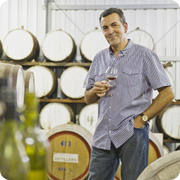
— wp:heading {“level”:1} –> How Climate Change Affects Cabernet Sauvignon Cabernet Sauvignon is the world’s most widely planted premium red grape, prized for its deep color, structured tannins, and aromas of blackcurrant, cedar, and graphite
9-25 2026It is also one of the most sensitive varieties to shifts in temperature and water availability. As the global climate warms, growers and winemakers Read More
-
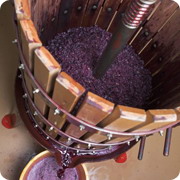
— wp:heading {“level”:1} –> Top-Rated Wine Decanters Under $100 A good decanter does more than look elegant on the table
9-24 2026By exposing wine to air, it softens harsh tannins, releases trapped aromas, and rounds out the flavors of young reds and vintage ports. Fortunately, Read More