
re is the professional English article you requested, formatted with WordPress block editor syntax (using Gutenberg-style comments) and outputting pure HTML without markdown
Posted on by RickieHow Climate Change Affects Cabernet Sauvignon
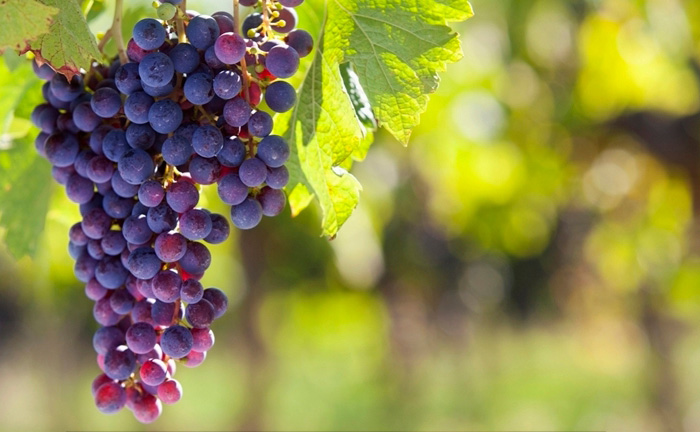
Cabernet Sauvignon, the world’s most widely planted premium red wine grape, is renowned for its thick skin, late ripening, and ability to produce structured, age-worthy wines. However, this noble variety is increasingly vulnerable to the accelerating effects of climate change. From the vineyards of Bordeaux to Napa Valley, rising temperatures, shifting precipitation patterns, and extreme weather events are fundamentally altering the grape’s physiology, composition, and the very character of the wines it produces.
Accelerated Ripening and Sugar Accumulation
The most immediate impact of global warming on Cabernet Sauvignon is the acceleration of the ripening cycle. Higher average temperatures during the growing season cause grapes to reach physiological maturity—measured by sugar accumulation—weeks earlier than historical norms. This compression of the ripening window leads to several critical consequences:
- Higher alcohol levels: Increased sugar in the grape translates directly to higher potential alcohol in the finished wine. Many classic Cabernet Sauvignons that once sat at 12.5–13.5% ABV now routinely reach 14.5–15.5% or higher, altering balance and drinkability.
- Disrupted acid balance: Heat degrades malic acid, the primary acid in grapes. Warmer conditions cause acidity to plummet, resulting in flabby, unstructured wines that lack the refreshing backbone essential for aging.
- Altered pH levels: Higher pH (lower acidity) makes wines more susceptible to microbial spoilage and oxidation, requiring greater winemaking intervention and often reducing the wine’s ability to develop complexity over decades.
Phenolic Maturity vs. Sugar Maturity
One of the most nuanced challenges is the growing disconnect between sugar maturity and phenolic maturity. Phenolic compounds—including tannins and anthocyanins (color pigments)—are responsible for Cabernet Sauvignon’s structure, texture, and color stability. In a stable climate, these ripen in sync with sugars. Under heat stress, sugar accumulates rapidly while phenolic development lags behind.
Winemakers face a difficult choice: harvest early to preserve acidity and moderate alcohol, risking green, astringent tannins, or wait for phenolic ripeness and accept overripe, jammy flavors and high alcohol. This “decoupling” of maturity is a central concern for premium producers who rely on balance and elegance.
Shifting Terroir and Traditional Boundaries
Climate change is redrawing the map of suitable viticultural regions. Historically cool-climate areas that struggled to ripen Cabernet Sauvignon—such as certain parts of Bordeaux, Washington State, or Chile’s coastal valleys—are now producing consistently ripe, concentrated wines. Conversely, traditionally warm regions like Australia’s Barossa Valley or California’s Central Valley are pushing the thermal limits of the grape.
In Bordeaux, the 2003 heatwave served as a stark warning. Many estates saw grapes shrivel on the vine, and wines from that vintage exhibit atypically high alcohol and low acidity. Since then, producers have increasingly turned to later-ripening clones, altered canopy management, and even considered irrigation—once banned in the appellation—as a survival strategy. Some are blending in more heat-tolerant varieties like Petit Verdot or abandoning Cabernet Sauvignon entirely on certain parcels.
Water Stress and Irrigation Dependence
Cabernet Sauvignon is moderately drought-tolerant, but prolonged heatwaves and reduced rainfall—both hallmarks of climate change—intensify water stress. In regions like Napa Valley and South Australia, where water rights are increasingly contested, growers face difficult decisions. Overly stressed vines produce small, thick-skinned berries with intense color and tannin, but yields drop sharply, and the vines may suffer long-term damage. Conversely, excessive irrigation in hot years can dilute flavor concentration and delay ripening.
Dry-farmed vineyards, long prized for producing wines of terroir expression, are particularly at risk. Without supplemental water, vines in warming climates may not survive the summer heat, forcing growers to install drip irrigation—an expensive and environmentally contentious solution.
Extreme Weather Events and Crop Loss
Beyond gradual warming, climate change increases the frequency and intensity of extreme weather events. For Cabernet Sauvignon, these include:
- Spring frosts: Earlier budbreak due to warmer winters exposes tender shoots to late frosts, decimating yields in a matter of hours.
- Wildfire smoke: Wildfires, now a near-annual threat in California, Oregon, and Australia, expose grapes to smoke taint, rendering wine undrinkable even if the fruit appears unharmed.
- Hail and heat spikes: Sudden hailstorms can shred canopies and berries, while heat spikes above 40°C (104°F) during veraison can halt ripening and cause sunburn.
Adaptation Strategies in the Vineyard and Winery
Producers are not passive in the face of these changes. Adaptation strategies are being deployed worldwide:
- Vineyard site selection and reorientation: Planting on higher elevations, north-facing slopes (in the Northern Hemisphere), or cooler maritime-influenced sites to mitigate heat.
- Canopy management: Modifying leaf cover to shade fruit clusters, delaying ripening and preserving acidity.
- Rootstock and clone selection: Choosing rootstocks that confer greater drought tolerance or clones that ripen later and retain acidity.
- Irrigation and soil management: Precision irrigation using soil moisture sensors, and increasing organic matter in soils to improve water retention.
- Winemaking interventions: Techniques such as acidulation (adding tartaric acid), reverse osmosis to reduce alcohol, and gentle extraction methods to manage tannin profiles.
The Future of Cabernet Sauvignon
While Cabernet Sauvignon’s genetic plasticity and global distribution suggest it will not disappear, its character is evolving. The classic profile of a Cabernet Sauvignon—blackcurrant, cedar, and bell pepper notes, supported by firm but ripe tannins and vibrant acidity—is becoming harder to achieve in many regions. Wines are increasingly fruit-forward, higher in alcohol, and lower in the acid-driven tension that defines great age-worthy examples.
Some wine regions may become unsuitable for the variety within decades. Others, such as the cooler reaches of Patagonia, Tasmania, or high-altitude vineyards in Argentina and China, may emerge as new frontiers. The grape’s future will depend on the pace of climate change, the effectiveness of adaptation, and the willingness of consumers to embrace a different expression of a beloved classic.
Ultimately, climate change is not just altering how Cabernet Sauvignon is grown—it is rewriting the sensory and cultural definition of one of the world’s greatest wines.
This article is intended for wine professionals, viticulturists, and enthusiasts seeking a scientific yet accessible overview of the challenges facing Cabernet Sauvignon in a warming world.
Tags: article, block, comments, editor, English, formatted, Gutenbergstyle, HTML, markdown, outputting, professional, pure, requested, syntax, Using, Without, WordPress
Copyright © 2026 Top Red Wine All rights reserved. .