
Tag: also
Chocolate and Red Wine Pairing Tips Pairing chocolate and red wine is one of the most indulgent experiences in the culinary world, yet it is also one of the most misunderstood
Posted onDone correctly, the combination creates a symphony of flavors that elevates both the confection and the vintage. Done poorly, it can result in a bitter, metallic aftertaste that ruins the moment. This guide provides professional insights into mastering this artful pairing.
The Fundamental Principle:
Sweetness and Tannins
The primary rule of pairing chocolate and red wine is that the wine must be at least as sweet as the chocolate. If the chocolate is sweeter than the wine, the wine will taste thin, sour, and aggressively tannic. Conversely, a wine with sufficient residual sugar or perceived sweetness will balance the cocoa’s bitterness and create a smooth, lingering finish.
For dark chocolate (70% cacao or higher), opt for wines with bold fruit concentration and lower tannin profiles. For milk or white chocolate, which are creamier and sweeter, lighter-bodied reds with softer tannins are the safer choice.
Classic Pairings by Chocolate Type
1. Dark Chocolate (70-85% Cacao)
Zinfandel, Petite Sirah, or Banyuls (a French fortified wine).
The jammy, ripe blackberry and raspberry notes in Zinfandel mirror the chocolate’s intensity. Banyuls, with its raisined, fig-like sweetness, is a classic French match for high-percentage dark chocolate.
Avoid heavily oaked Cabernet Sauvignon with dark chocolate; the oak and high tannins clash with the cocoa’s natural astringency.
2. Milk Chocolate (30-50% Cacao)
Pinot Noir (especially from California or New Zealand), Beaujolais (Gamay), or a Ruby Port.
Milk chocolate’s creamy, caramel notes are complemented by Pinot Noir’s red cherry and earthy undertones. The wine’s light body and silky texture mirror the chocolate’s creaminess.
Serve the Pinot Noir slightly chilled (around 55°F) to enhance its fruitiness against the chocolate’s dairy richness.
3. White Chocolate
Moscato d’Asti, Brachetto d’Acqui, or a sweet Riesling.
White chocolate has no cocoa solids, so it requires a wine with high acidity and floral, stone-fruit sweetness to cut through the butterfat. A sparkling Brachetto adds a festive effervescence that cleanses the palate.
Avoid heavy reds entirely; white chocolate will overpower any red wine’s subtlety.
Advanced Pairing Strategies
The “Dessert Wine” Approach
For a guaranteed successful pairing, consider fortified wines such as Port, Madeira, or Marsala. These wines have naturally high sugar levels and alcohol, which stand up to even the most intense chocolate. A Tawny Port with its nutty, caramel notes is exceptional with chocolate pralines or chocolate-hazelnut spreads.
The “Spice and Heat” Approach
If your chocolate contains chili, cinnamon, or sea salt, pivot toward Syrah/Shiraz or Amarone. These wines offer peppery, smoky, and dried-fruit characteristics that complement the chocolate’s spice profile rather than competing with it.
The “Texture” Factor
Consider the mouthfeel. A silky, velvety chocolate ganache pairs best with a wine that has a similar viscosity, such as a late-harvest Zinfandel. A crunchy, nutty chocolate bar, however, benefits from a wine with a bit more acidity, like Chianti Classico, to balance the textural contrast.
Common Mistakes to Avoid
Dry wines like Merlot or Sangiovese will taste flat and unpleasant next to sweet chocolate.
Single-origin chocolates (e.g., Madagascar, Ecuador) have distinct fruity or earthy notes. Match them with wines from similar climates or flavor profiles.
Chocolate should be served at room temperature (65-70°F) to release its aroma. Wine should be slightly cooler, but not ice-cold, to maintain its bouquet.
The Final Word
The secret to a successful chocolate and red wine pairing lies in balance. Aim for harmony between sweetness, acidity, tannins, and flavor intensity. When in doubt, choose a wine that you enjoy drinking on its own—then experiment with small bites to find your personal sweet spot. With practice, you will develop a palate that recognizes the perfect match, turning an ordinary evening into a memorable tasting experience.
*Bon appétit and cheers.*
Shiraz Wine Club Recommendations: A Guide to Bold and Beautiful Reds For wine enthusiasts seeking robust, full-bodied reds, Shiraz (also known as Syrah) offers a world of discovery
Posted onIts signature profile—bursting with dark fruit, pepper, and spice—makes it a perennial favorite in wine clubs, sparking conversation and delighting palates. Whether you’re a club organizer planning a tasting or a member looking to deepen your appreciation, this guide provides curated recommendations to explore the diverse expressions of this noble grape.
Understanding the Shiraz Spectrum
First, a key distinction: Shiraz and Syrah are the same grape but often signal different styles. “Shiraz” typically denotes the ripe, fruit-forward style pioneered in Australia, while “Syrah” often references the more structured, earthy expressions from its ancestral home in France’s Rhône Valley. A great tasting can explore both ends of this spectrum.
For the Club’s Core Selection:
Reliable Crowd-Pleasers
These wines offer exceptional quality and typicity, perfect for introducing the grape’s core characteristics.
An Australian icon. This wine is a masterclass in affordable, premium Shiraz. Expect a cascade of ripe blackberry, plum, and dark chocolate, with a hint of mocha and a smooth, approachable tannin structure. It’s consistently excellent and widely available.
From one of McLaren Vale’s most recognizable names, this wine delivers a more earthy, textured profile. Think black fruits, licorice, and a distinctive peppery finish. It’s a fantastic example of regional character at a friendly price point.
A quintessential, value-driven Syrah blend (often with Grenache and Mourvèdre). It offers a lighter body than its Australian counterparts, with notes of red and black cherry, violet, and a characteristic smoky, peppery edge. It’s an essential benchmark for the Old World style.
For a Thematic Tasting:
“Old World vs. New World”
Challenge your members’ palates with a focused comparison.
* New World Benchmark: Torbreck Woodcutter’s Shiraz (Barossa Valley, Australia). Lush, powerful, and generous. This wine bursts with concentrated blueberry, black cherry, and sweet spice, supported by velvety tannins.
* Old World Counterpoint: Domaine Jamet Côtes du Rhône (Rhône Valley, France). More restrained and savory. Here, you’ll find flavors of cured meat, black olive, crushed rock, and peppery berries, with firmer acidity and structure.
For Exploring Nuance:
Single-Vineyard & Regional Gems
Take the club deeper with wines that showcase specific terroirs.
Inspired by the wines of Côte-Rôtie, this co-fermented blend adds a touch of Viognier for breathtaking perfume and silken texture. Aromatic, elegant, and complex, with violet, raspberry, and white pepper notes.
South Africa produces stunning Syrah. This single-soil wine is intense yet precise, with pure black fruit, an iron-like mineral core, and fine, grippy tannins. It demonstrates the incredible potential outside classic regions.
Focuses on pure, vibrant fruit from a single region. It’s approachable yet sophisticated, with layers of blackberry, plum, and subtle vanilla, showcasing McLaren Vale’s ripe, balanced style.
For a “Splurge” or Special Occasion:
Iconic Bottles
Impress the club with a legendary wine that defines the heights of the variety.
* Penfolds Grange (South Australia): The most famous Shiraz-based wine in the world. A multi-regional, multi-vineyard blend of exceptional power and longevity. It’s an experience of unparalleled concentration, complexity, and history.
* Chapoutier Ermitage ‘Le Méal’ (Rhône Valley, France): From a hallowed Hermitage hillside, this 100% Syrah is profound, age-worthy, and dense. It offers layers of dark fruit, bacon fat, espresso, and minerals, with a structure built for decades.
Tips for Your Wine Club Tasting
* Decant: Always decant Shiraz/Syrah, especially younger or fuller-bodied bottles. One to two hours of air will soften tannins and unlock aromas.
* Glassware: Use large Bordeaux-style bowls to allow the wine to breathe and concentrate its complex bouquet.
* Pairing: Serve with hearty, flavorful foods: grilled lamb, peppered steak, braised short ribs, hard aged cheeses, or dark chocolate desserts.
* Blind Tasting: Hide the labels for the “Old World vs. New World” theme to make it a true sensory exploration.
Shiraz/Syrah is a grape of passion and power, capable of both immediate enjoyment and profound depth. By curating a journey from friendly favorites to terroir-driven treasures, your wine club can fully appreciate the bold and beautiful world this varietal has to offer. Cheers to your next discovery
Syrah Tasting Notes for Beginners Syrah (also known as Shiraz in Australia and some other regions) is one of the world’s most beloved and powerful red wine grapes
Posted onFor those new to wine tasting, its bold character offers a thrilling and accessible entry point. Learning to identify its key characteristics will deepen your appreciation and help you discover your personal preferences.
The Big Picture:
What to Expect
First, let go of any pressure to “get it right.” Tasting is subjective. Your goal is to explore and connect with what’s in your glass. A typical Syrah presents a full-bodied wine with medium to high tannins (that drying, grippy feeling on your gums) and moderate to high acidity. It’s a wine that feels substantial and often warms the palate.
Step-by-Step Tasting Guide
Follow these four simple steps: Look, Smell, Taste, and Conclude.
1. Look: Assessing the Appearance
Hold your glass against a white background. Syrah is known for its deep, inky color. Expect a core of intense ruby-purple, often with a vivid magenta rim. The high pigment is a hallmark of the grape. The wine’s “legs” or “tears” that slowly drip down the glass can indicate higher alcohol content, which is common in Syrah.
2. Smell: Identifying the Aromas (The Nose)
Swirl the wine gently in your glass to release its aromas, then take a few short sniffs. Syrah’s bouquet is often a captivating mix of the savory and the sweet.
* Primary Fruit Aromas (From the Grape): Think of dark berries: ripe blackberry, blueberry, and sometimes plum. In cooler climates, you might find red fruit notes like raspberry or even a brambly, wild character.
* Secondary Aromas (From Winemaking): Look for notes from oak aging, such as vanilla, coconut, toast, or sweet baking spices like clove and nutmeg.
* Classic Syrah Signatures: This is where Syrah gets exciting. You’ll often detect peppery notes (black or white pepper), especially in wines from the Northern Rhône in France. Other classic savory notes include olive, smoked meat, bacon fat, leather, and dark chocolate.
3. Taste: Experiencing the Palate
Take a medium sip and let the wine coat your mouth. Pay attention to the structure and flavors.
* Fruit & Flavor: The dark fruit from the nose usually carries through—blackberry jam, stewed plum. Notice if the savory, peppery, or meaty elements are present on your palate, too.
* Structure:
* Acidity: Feel a bright, zesty sensation that makes your mouth water. It balances the wine’s richness.
* Tannins: Notice a drying, textural grip on your teeth and gums. In young Syrah, tannins can be quite firm; they soften with age.
* Body & Alcohol: Syrah feels weighty and warm in the mouth, a classic “full-bodied” experience.
* Finish: After you swallow (or spit), how long do the flavors linger? A good Syrah often has a long, warming finish with echoes of fruit, pepper, and tannin.
Regional Differences:
Syrah vs. Shiraz
* Old World (Syrah): Wines from France’s Northern Rhône (e.g., Hermitage, Côte-Rôtie) are often the benchmark. They tend to be more elegant, savory, and peppery, with pronounced notes of olive, bacon, and violet, and slightly higher acidity.
* New World (Shiraz/Syrah): Australian Shiraz, particularly from Barossa Valley, is famous for its ripe, jammy fruit (think blackberry compote), softer tannins, and prominent chocolate and sweet spice notes from oak. Wines labeled “Syrah” from regions like California or Washington State often strike a balance between Old World structure and New World fruit.
Beginner-Friendly Tasting Exercise
To train your palate, try this side-by-side comparison:
A Syrah from the Northern Rhône, France.
A Shiraz from Barossa Valley, Australia.
Taste them one after the other. Note the differences in fruit profile (savory vs. jammy), the intensity of the peppery note, and the overall body and texture. This is the fastest way to understand the grape’s incredible range.
Final Tips for Your Tasting Journey
* Use a Proper Glass: A large Bordeaux-style glass helps concentrate the complex aromas.
* Serve at the Right Temperature: Slightly below room temperature (around 60-65°F or 16-18°C) is ideal. Too warm, and the alcohol will overpower; too cold, and the flavors will be muted.
* Pair with Food: Syrah’s boldness stands up to robust dishes. Try it with grilled meats (especially lamb), barbecue, hearty stews, mushroom dishes, or aged hard cheeses.
* Trust Your Palate: The most important note is whether *you* enjoy it. Does it make you want another sip? That’s the ultimate measure of a great wine.
Syrah is a grape of power, complexity, and charm. By breaking down the tasting process, you can move from simply drinking to truly experiencing this magnificent wine. Cheers to your discovery
How to Read a French Wine Label French wine labels are renowned for their elegance, but they can also be a source of confusion
Posted onUnlike New World labels that often highlight the grape variety, French labels are a map of origin, tradition, and quality classification. Learning to decode them is the key to unlocking the bottle’s story and understanding what you’re about to taste. This guide will walk you through the essential elements.
1. The Producer or Château Name
This is often the most prominent text. It indicates who made the wine. It could be a famous Château (common in Bordeaux), a Domaine (typical in Burgundy), or simply a brand or négociant name (e.g., *Maison Louis Jadot*).
2. The Appellation d’Origine Contrôlée (AOC)
The AOC is the cornerstone of French wine law. It guarantees the wine’s geographic origin and dictates strict rules about permitted grape varieties, viticultural practices, and winemaking methods. The specificity varies:
* Regional AOC: *Bordeaux*, *Bourgogne* (Burgundy). These are broader.
* Sub-Regional AOC: *Médoc* (within Bordeaux), *Côte de Nuits* (within Burgundy).
* Village or Commune AOC: *Pauillac* (Bordeaux), *Pommard* (Burgundy). More specific.
* Premier Cru or Grand Cru AOC: The pinnacle for specific vineyards (e.g., *Chablis Grand Cru*, *Montrachet Grand Cru*).
The rule of thumb: Generally, the more specific the AOC, the higher the presumed quality and the stricter the regulations.
3. The Classification
In some regions, official classifications appear on the label.
* Bordeaux: Look for terms like Grand Cru Classé (from the 1855 Classification for Médoc/Sauternes) or Saint-Émilion Grand Cru Classé.
* Burgundy: The hierarchy is geographic: Regional > Village > Premier Cru (1er Cru) > Grand Cru.
* Champagne: Grand Cru or Premier Cru indicate the quality ranking of the vineyard(s) used.
4. The Vintage Year
The year the grapes were harvested. This is crucial as weather variations significantly affect wine style and quality in France. A great vintage in Bordeaux might be different from a great vintage in Burgundy.
5. Mis en Bouteille au Château / à la Propriété
A very important phrase meaning “Estate Bottled.” It signifies that the wine was made and bottled by the producer who grew the grapes, ensuring traceability and quality control. Alternatives like *Mis en Bouteille par…* or *Négociant-Éleveur* indicate the wine was bottled by a merchant who may have purchased grapes or wine from multiple sources.
6. The Alcohol Content and Volume
Expressed as a percentage by volume (e.g., 13% vol.) and the bottle size (e.g., 75 cl). Standard bottles are 75cl.
7. Other Key Terms
* Cépage: The grape variety (less common on traditional labels but increasingly used).
* Blanc: White wine.
* Rouge: Red wine.
* Rosé: Rosé wine.
* Sec: Dry.
* Demi-Sec: Medium sweet.
* Doux: Sweet.
* Brut: Dry (used for Champagne and sparkling wines).
* Supérieur: Often indicates a slightly higher alcohol content, not necessarily superior quality.
* Vieilles Vignes: Old vines, which can yield more concentrated grapes.
Region-Specific Clues
* Bordeaux: Labels rarely mention grapes (typically Cabernet Sauvignon, Merlot, etc.). The AOC and Château name are your guides.
* Burgundy: The AOC is everything. A *Gevrey-Chambertin* is Pinot Noir, a *Pouilly-Fuissé* is Chardonnay.
* Rhône Valley: The AOC implies the grape(s). *Châteauneuf-du-Pape* allows many, while *Hermitage* is Syrah for reds.
* Loire Valley: Often includes the grape (e.g., Sancerre = Sauvignon Blanc).
* Alsace: Prominently features the grape variety (e.g., Riesling, Gewurztraminer).
Putting It All Together:
A Quick Exercise
Look at a label that reads: Château Léoville-Las Cases | Saint-Julien | Appellation Saint-Julien Contrôlée | Grand Cru Classé | Mis en Bouteille au Château | 2016 | 13.5% vol.
* Producer: Château Léoville-Las Cases.
* AOC: Saint-Julien, a prestigious village in the Médoc region of Bordeaux.
* Classification: Grand Cru Classé (from the 1855 Classification).
* Bottling: Estate-bottled, a sign of quality.
* Vintage: 2016.
* What’s in the bottle? A blend of Cabernet Sauvignon, Merlot, and Cabernet Franc, typical for Saint-Julien, from what is considered an excellent vintage.
Decoding a French wine label transforms it from a beautiful mystery into an informative story of place, tradition, and quality. With this knowledge, you can confidently select a bottle that matches your taste and occasion, appreciating the rich history in every glass.
Wild Video Game Recipe: Frying Pan Roasted Duck with Corn Crepes and also Sage, Sour Cherry Sauce
Posted onWild Video Game Recipe: Frying Pan Roasted Duck with Corn Crepes and also Sage, Sour Cherry Sauce
For this recipe, I use either muscovy duck, a brazilian breed which is recognized for its unbelievable flavor as well as lean profile, or wild-hunted duck. Other breeds, such as moulard or pekin, will certainly do great, but realize that the primary distinction amongst these types of duck is the fat cap underneath the skin. With any breed of duck, to cook it appropriately, you intend to make the fat from under the skin of the breast at a cooking temperature and also time that will permit the skin to brownish completely, once all the excess fat is rendered away. For all types, gently score the duck breast, skin side, so that the skin is pierced (releasing the fat to render away), without entering into the flesh of the breast. To do this, you will require a sharp knife. Score the breast at 45 deg. angles, so you wind up with a diamond pattern on the skin side of the breast.
To prep the duck for cooking, score it and period it with salt as well as pepper on both sides. Allow the duck to rest for thirty minutes. When you are all set to offer, do not add butter or oil to your frying pan – just set the duck, skin side down, in the pan as well as chef over low to modest warm. As the fat renders away, put it off. You wish to readjust your warm, and also your time in preparing the skin side, to ensure that a lot of the fat is provided about the time your skin is browned perfectly.
For 6
6 chicken busts, or 3 drake busts (of moulard or muscovy), each part being app. 8 ounces, uncooked.
Corn Crepes
Corn Crepes
4 mugs corn bits (regarding 4 ears).
salt.
white pepper.
1 1/2 cups flour.
4 eggs.
1 1/2 mugs milk.
3 tablespoon melted butter.
nutmeg (number of pinches).
4 tablespoon diced chives.
Olive Oil.
Warm oil in pan over tool heat. Include corn, salt and also pepper and also cover, cooking about 3-4 mins and tossing through a number of times. Refine in food cpu and also cool. Once trendy, include flour, eggs, milk, butter as well as nutmeg. Blend till smooth. Fold in minced chives. Refrigerate at the very least 3 hrs. Prepare crepes with olive oil in non-stick per s.o.p. Amazing as well as alloted. At service, take 3 crepes as well as reheat delicately. Fold up right into triangulars.
Sage-Sour Cherry Sauce
2 mugs pinot noir or excellent wine red.
1/3 c shallot, diced.
1 mug cut, dried out sharp cherries.
2 cups duck demi-glace, 4 mugs (slim) duck stock, or 2 cups demi-glace (greater than exquisite will function okay).
1 tsp diced sage.
pinch of minced thyme.
1/3 tsp balsamic vinegar.
salt.
pepper.
Simmer red wine with shallots, cherries and duck sauce till reduced back to 2 mugs. At service, bring 2 ounces of sauce (with cherries) to simmer as well as throw in sage, thyme as well as balsamic vinegar with each other and warm via. Season with salt and pepper as well as offer.
At Solution
Pre-heat stove to 375F.
Fleur de Sel (top layer, gathered sea salt, if you have it).
Sear duck as above. When skin is browned and fat is provided, “kiss” flesh side around 1 minute as well as area in oven. Remove from stove when duck breast still has a great offer of simple “springtime” to the touch – you do not desire to surpass tool (I favor tool unusual). Remove the duck from the cooking/roasting pan and cover freely with foil, shiny side out. On the other hand, reheat crepes in a frying pan with a touch of olive oil, layer in triangles, and area in overlapping pile at center of plate. You additionally intend to saute some coarsely sliced rainbow chard, which includes some caramelized sugar, resentment, and also color to the plate (usage organic when possible – it will include even more all-natural sugars). Thinly piece duck and also organize on either side of crepes; drizzle with warmed sauce (including cherries), and also position a few crystals of fleur de sel over the meat (if you have it).
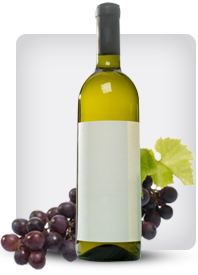
Featured wine
popular posts
-
— wp:heading {“level”:1} –> Top-Rated Wine Decanters Under $100 A good decanter does more than look elegant on the table
9-24 2026By exposing wine to air, it softens harsh tannins, releases trapped aromas, and rounds out the flavors of young reds and vintage ports. Fortunately, Read More
-
— wp:heading {“level”:1} –> Top-Rated Old-Vine Zinfandel 2025 Old-vine Zinfandel occupies a singular place in the world of wine
9-21 2026These gnarled, head-trained vines—many planted before the phylloxera epidemic of the late nineteenth century—yield tiny crops of intensely concentrated fruit. The result is a Read More