
Tag: Australia
Syrah Tasting Notes for Beginners Syrah (also known as Shiraz in Australia and some other regions) is one of the world’s most beloved and powerful red wine grapes
Posted onFor those new to wine tasting, its bold character offers a thrilling and accessible entry point. Learning to identify its key characteristics will deepen your appreciation and help you discover your personal preferences.
The Big Picture:
What to Expect
First, let go of any pressure to “get it right.” Tasting is subjective. Your goal is to explore and connect with what’s in your glass. A typical Syrah presents a full-bodied wine with medium to high tannins (that drying, grippy feeling on your gums) and moderate to high acidity. It’s a wine that feels substantial and often warms the palate.
Step-by-Step Tasting Guide
Follow these four simple steps: Look, Smell, Taste, and Conclude.
1. Look: Assessing the Appearance
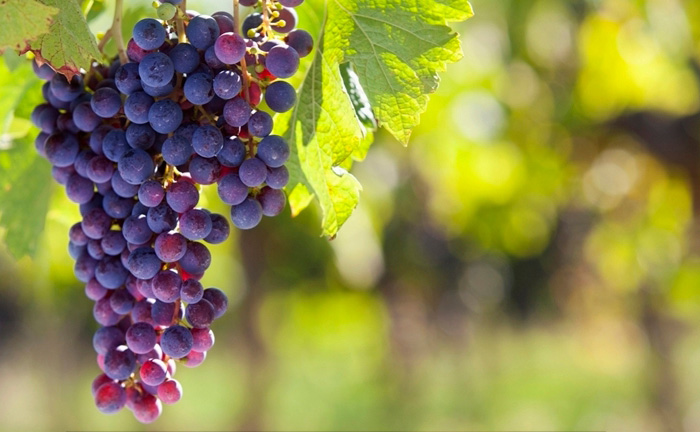
Hold your glass against a white background. Syrah is known for its deep, inky color. Expect a core of intense ruby-purple, often with a vivid magenta rim. The high pigment is a hallmark of the grape. The wine’s “legs” or “tears” that slowly drip down the glass can indicate higher alcohol content, which is common in Syrah.
2. Smell: Identifying the Aromas (The Nose)
Swirl the wine gently in your glass to release its aromas, then take a few short sniffs. Syrah’s bouquet is often a captivating mix of the savory and the sweet.
* Primary Fruit Aromas (From the Grape): Think of dark berries: ripe blackberry, blueberry, and sometimes plum. In cooler climates, you might find red fruit notes like raspberry or even a brambly, wild character.
* Secondary Aromas (From Winemaking): Look for notes from oak aging, such as vanilla, coconut, toast, or sweet baking spices like clove and nutmeg.
* Classic Syrah Signatures: This is where Syrah gets exciting. You’ll often detect peppery notes (black or white pepper), especially in wines from the Northern Rhône in France. Other classic savory notes include olive, smoked meat, bacon fat, leather, and dark chocolate.
3. Taste: Experiencing the Palate
Take a medium sip and let the wine coat your mouth. Pay attention to the structure and flavors.
* Fruit & Flavor: The dark fruit from the nose usually carries through—blackberry jam, stewed plum. Notice if the savory, peppery, or meaty elements are present on your palate, too.
* Structure:
* Acidity: Feel a bright, zesty sensation that makes your mouth water. It balances the wine’s richness.
* Tannins: Notice a drying, textural grip on your teeth and gums. In young Syrah, tannins can be quite firm; they soften with age.
* Body & Alcohol: Syrah feels weighty and warm in the mouth, a classic “full-bodied” experience.
* Finish: After you swallow (or spit), how long do the flavors linger? A good Syrah often has a long, warming finish with echoes of fruit, pepper, and tannin.
Regional Differences:
Syrah vs. Shiraz
* Old World (Syrah): Wines from France’s Northern Rhône (e.g., Hermitage, Côte-Rôtie) are often the benchmark. They tend to be more elegant, savory, and peppery, with pronounced notes of olive, bacon, and violet, and slightly higher acidity.
* New World (Shiraz/Syrah): Australian Shiraz, particularly from Barossa Valley, is famous for its ripe, jammy fruit (think blackberry compote), softer tannins, and prominent chocolate and sweet spice notes from oak. Wines labeled “Syrah” from regions like California or Washington State often strike a balance between Old World structure and New World fruit.
Beginner-Friendly Tasting Exercise
To train your palate, try this side-by-side comparison:
A Syrah from the Northern Rhône, France.
A Shiraz from Barossa Valley, Australia.
Taste them one after the other. Note the differences in fruit profile (savory vs. jammy), the intensity of the peppery note, and the overall body and texture. This is the fastest way to understand the grape’s incredible range.
Final Tips for Your Tasting Journey
* Use a Proper Glass: A large Bordeaux-style glass helps concentrate the complex aromas.
* Serve at the Right Temperature: Slightly below room temperature (around 60-65°F or 16-18°C) is ideal. Too warm, and the alcohol will overpower; too cold, and the flavors will be muted.
* Pair with Food: Syrah’s boldness stands up to robust dishes. Try it with grilled meats (especially lamb), barbecue, hearty stews, mushroom dishes, or aged hard cheeses.
* Trust Your Palate: The most important note is whether *you* enjoy it. Does it make you want another sip? That’s the ultimate measure of a great wine.
Syrah is a grape of power, complexity, and charm. By breaking down the tasting process, you can move from simply drinking to truly experiencing this magnificent wine. Cheers to your discovery
Syrah Tasting Notes for Beginners: A Guide to the Dark & Spicy Classic Syrah (known as Shiraz in Australia and some other parts of the world) is a bold, captivating red wine that offers a thrilling entry point into the world of full-bodied reds
Posted onFor beginners, its pronounced flavors and aromas are often easier to identify than more subtle varieties, making it both approachable and deeply satisfying. This guide will help you navigate a glass of Syrah, teaching you what to look for, smell, and taste.
First Impressions:
The Look of Syrah
Hold your glass against a white background. Syrah is typically a deep, inky purple or ruby red, often so dense that it’s hard to see through. The “legs” or “tears” that slowly trickle down the glass after you swirl it indicate higher alcohol content, which is common for this variety.
The Aromas:
What to Sniff For
Swirl your glass gently to release the wine’s aromas, then take a deep sniff. Don’t worry about getting it “right”—just see what comes to mind. Syrah’s nose is often a captivating mix of:
* Primary Fruit Aromas (From the Grape): Think dark berries. Blackberry, blueberry, and plum are classic. In cooler climates, you might find redder fruit notes like raspberry or cherry.
* Secondary Aromas (From Winemaking): If the wine has been aged in oak barrels, you might detect vanilla, cocoa, coconut, or a smoky, toasted character.
* Tertiary Aromas (From Aging): In older Syrahs, look for more earthy, savory notes like leather, cured meat, tobacco, or forest floor.
The Flavor Journey:
Tasting on Your Palate
Take a medium sip and let the wine coat your mouth. Pay attention to the sequence of sensations.
You’ll likely be greeted by an explosion of those jammy, dark fruit flavors you smelled—ripe blackberry and plum.
This is where Syrah gets interesting. Notice the spice. The hallmark of Syrah is often black pepper, licorice, or clove. You might also taste dark chocolate or espresso, especially if it’s an oaked style.
This refers to the wine’s technical components.
* Acidity: Syrah has moderate to high acidity, which makes your mouth water and balances the rich fruit.
* Tannins: These are the compounds that create a drying, grippy sensation on your gums and cheeks. Syrah’s tannins are usually firm and velvety, providing structure without being overly harsh.
* Body: Syrah is full-bodied. It feels weighty, rich, and coating in your mouth, like whole milk compared to water.
* Alcohol: It’s often high in alcohol (13.5-15% ABV), contributing to a warming sensation in the back of your throat.
A good Syrah has a long, lingering finish. The flavors of pepper, dark fruit, and maybe a touch of smoke should stay with you for a while after you swallow.
Key Differences:
Old World vs. New World
* Old World Syrah (e.g., Northern Rhône, France): Think restrained and savory. Wines from regions like Hermitage or Côte-Rôtie emphasize earth, bacon fat, olive, violet, and cracked black pepper alongside the fruit. They are often more acidic and leaner.
* New World Shiraz/Syrah (e.g., Australia, USA, South Africa): These are typically bolder and fruit-forward. Australian Barossa Valley Shiraz is famous for its jammy, sun-ripened blackberry, dark chocolate, and sweet vanilla notes from oak. They are plusher, higher in alcohol, and more immediately generous.
Beginner Tasting Tips
A large Bordeaux-style glass helps concentrate the aromas.
Slightly below room temperature (60-65°F / 15-18°C). Too warm, and it will taste alcoholic; too cold, and the flavors will be muted.
Syrah’s boldness stands up to rich, flavorful dishes. Try it with grilled meats (especially lamb), beef stew, hard aged cheeses, or mushroom-based dishes.
The best way to learn is to taste two different Syrahs side-by-side. Try an Australian Shiraz next to a French Syrah from the Rhône Valley—the differences will be a revelation.
Your Tasting Vocabulary Cheat Sheet
* Fruit: Blackberry, blueberry, plum, raspberry.
* Spice/Earth: Black pepper, licorice, clove, smoked meat, leather, olive.
* Other: Violet, dark chocolate, espresso, vanilla, tobacco.
* Structure: Full-bodied, velvety tannins, high alcohol, long finish.
Remember, tasting wine is a personal experience. There are no wrong answers, only discoveries. The goal is to slow down, engage your senses, and find what *you* enjoy in this magnificent, spicy, and profound wine. Cheers to your Syrah journey
The Best Years for Barossa Valley Shiraz: A Vintage Guide The Barossa Valley, nestled in South Australia, is synonymous with world-class Shiraz
Posted onRenowned for its bold, rich, and intensely flavored expressions of the grape, the region’s wines are built to last. However, not all vintages are created equal. Understanding the standout years is key to unlocking the pinnacle of what Barossa Shiraz has to offer—whether you’re building a cellar, selecting a special bottle, or simply deepening your appreciation.
The hallmark of a great Barossa Shiraz vintage is a balance of optimal ripening conditions. Warm, dry summers are essential, but the truly exceptional years avoid extreme heatwaves that can lead to over-ripeness and loss of freshness. A cool, dry finish to the growing season is the secret weapon, allowing grapes to develop profound flavor complexity while retaining vital natural acidity. This combination yields wines with powerful dark fruit concentration, robust yet velvety tannins, and the structure to evolve beautifully for decades.
Here, we explore the recent vintages that have consistently delivered this magic.
The Modern Classics:
Standout Vintages
2010: Universally hailed as a legendary vintage. A cooler, longer growing season produced wines of extraordinary balance, intensity, and elegance. Expect deep color, layers of blackberry, plum, and licorice, fine-grained tannins, and exceptional aging potential. These are benchmark Barossa Shiraz.
2012: Another stellar year, often compared to 2010. Excellent winter rainfall set the stage, followed by a warm, dry summer and a mild autumn. The result was wines with remarkable concentration, ripe tannins, and a vibrant core of fruit. They are approachable now but will cellar superbly.
2018: A return to classic form after some challenging years. Near-perfect conditions—good winter rain, a warm but not extreme summer, and a dry, cool harvest period—created wines with fantastic depth, purity of fruit, and superb structure. A vintage to buy with confidence.
2020: Despite the global challenges of that year, the growing season was outstanding. A dry winter was followed by a mild summer and a long, slow ripening period. The wines are notably elegant and refined, with bright fruit, spicy complexity, and polished tannins. They showcase a more contemporary, balanced style.
2021: An excellent vintage characterized by moderate yields and ideal conditions. The wines display intense color, vibrant aromatics of dark fruits and violets, and a fresh, lively palate. They are powerful yet precise, with the backbone for long-term aging.
Excellent & Reliable Vintages
2013, 2015, 2016: These are all strong, reliable years. 2013 was warm, yielding rich, generous wines. 2015 produced powerful, structured Shiraz, while 2016 offered elegance and fragrance. All offer great drinking and cellaring prospects.
2022: Early reports are very positive, suggesting a vintage of high quality with excellent concentration and balance.
Vintages to Approach Selectively
2011, 2017, 2019: These were cooler and/or wetter years, presenting challenges. While they produced some elegant, medium-bodied wines, consistency across the region was more variable. The best producers still made excellent wines, but careful selection is advised. These vintages often offer earlier drinking appeal.
The Art of Cellaring and Enjoyment
The best vintages of Barossa Shiraz are not just for immediate consumption; they are an investment in future pleasure.
* Drinking Windows: Top vintages like 2010, 2012, and 2018 can easily evolve and improve for 15-25 years or more in a good cellar. Excellent vintages often have a prime drinking window of 10-20 years from harvest.
* Decanting: Always decant younger or full-bodied Barossa Shiraz (at least 1-2 hours) to allow the wine to open up, soften, and reveal its full spectrum of aromas and flavors.
* Food Pairing: These robust wines demand hearty fare. Think grilled or roasted red meats (especially lamb), slow-cooked beef dishes, hard aged cheeses, and rich, savory stews.
Conclusion
While Barossa Valley consistently produces outstanding Shiraz, the vintages of 2010, 2012, 2018, 2020, and 2021 stand out as modern benchmarks of quality and longevity. These years captured the perfect alchemy of climate and viticulture that transforms ripe Shiraz into a wine of power, grace, and enduring character.
Ultimately, the “best” year also depends on your taste. If you prefer opulent, forward fruit, explore 2013 or 2015. If you seek elegance and refinement, look to 2020 or 2021. For the ultimate cellar treasure, seek out the legendary 2010s. By understanding the vintage story, you can navigate the world of Barossa Shiraz with confidence, ensuring every bottle you open is a memorable experience.
Tempranillo’s Role As A New Varietal Wine In Australia
Posted onTempranillo’s Function As A Brand-new Varietal Wine In Australia
Tempranillo is the premium red wine grape variety from the Rioja area in Spain. It is now tough Sangiovese as the up and coming celebrity of the red varietal white wine scene in Australia.
New growings throughout Australian a glass of wine areas over the past 5 years are simply entering into bearing. As a matter of fact on a percentage basis Tempranillo is expanding in appeal more rapidly than any type of other range.
What makes this selection so exciting? Well, it makes wines which have great colour and good fruit flavours together with low acid and low tannins. This adds up to an easy alcohol consumption design. The white wine additionally matches American oak.
In the vineyard the variety has a short expanding period that makes it suitable for cooler locations.
In Spain the selection is the backbone of the wines of the Rioja and the Ribera del Duero regions in Northern and also Central Spain. In these regions it is frequently combined with Graciano or Cabernet sauvignon playing a bit part. It is an element of Ribera del Duero’s renowned Vega Sicilia, the Spanish matching to Grange.
In Portugal the variety is utilized as a minor part in port, as well as some red table wines. Elsewhere on the planet the significant plantings are in Argentine and The golden state. In the last area it is called Valdepenas and also is considered as an improper for making fine a glass of wine.
Tempranillo has taken off in Australia only in the past couple of years. Brown Brothers have actually been a pioneer of the range, but there are now over 50 producers in regarding half of Autralia’s sixty white wine areas. Although McLaren Vale has the greatest number of producers range is commonly planted throughout the mainland Australian white wine regions. The greatest rated Tempranillo in James Halliday’s Wine Buddy 2005 is from Manton’s Creek Vineyard in the Mornington Peninsula. Casella Wines, the manufacturers of the hugely successful [yellowtail] array are also thinking about the selection. They obtained a silver medal for a 2003 Tempranillo at the Australian Alternate Varieties A Glass Of Wine Show 2004.
The apparent food suit is to choose Spanish design meals. A lighter bodied Tempranillo would go well with tapas, those fascinating little snacks that originally were designed for accompanying sherry. A little plate of olives, some shellfishes and also a few pieces of Chorizo sausage may just what is needed.
The Spanish additionally like jamon, dry healed pork. Several bars in Spain have lots of hams hanging up as well as there is constantly a ham in a special rack ready to be very finely carved for a snack to come with a glass of wine. Sheep farming is a major market in the in the Rioja as well as the Ribera del Duero regions. Hence grilled and also especially roast lamb are local specialties, as well as the ideal enhancement to Tempranillo. Lamb milk cheeses, roast stuffed peppers as well as vegetable covered dishes would certainly additionally be improved by a glass or two of these great red wines.
What then can we anticipate in future from Tempranillo in Australia? It is an intriguing fact is that the selection is being attempted in numerous red wine regions. Basically every one of the plantings in Australia are brand-new and also the winery managers and wine makers are simply beginning to climb up the knowing contour. Some lovers state Tempranillo is the following big point in Australian merlots; others assume that the Italian variety Sangiovese will certainly victory. The next couple of years will certainly tell, in the meantime there will certainly be some interesting glass of wines to try.
Why Australia for Fine White Wines?
Posted onWhy Australia for Fine Wines?
Australia, the land DownUnder, has actually ended up being a major and interesting pressure in global white wines. Australian red wine is taking the globe by storm, due to the top quality of the grape supply integrated with the ability as well as experience of its wine makers. This enables it to generate a fantastic as well as vast range of Australian a glass of wine styles.
This island continent features red wines as differed as its surface. Most people know of Australian Shiraz– that fruit-forward white wine currently known as well as enjoyed around the globe. These wonderful ‘fruit bombs’ stand for however a tiny part of the overall Australian wine making scene.
Australia is in some cases referred to as the excellent white wine generating country. It has a land mass as excellent as the United States or Western Europe, with a diverse climate from cool to cool to warm, and also a wide array of dirt types, including the renowned Coonawarra terra rossa. These natural benefits combined with the irrepressible free-spirited character of the Australian people, has encouraged Australian winemakers to improve the great practices of wine making, to develop tasty glass of wines of sensational top quality, diversity and also individuality.
Red wines from Australia are usually signified by their grape range. Apart from Shiraz, Australia also generates fine Chardonnay, Semillon, Riesling, Pinot Noir, Cabernet Sauvignon and plenty of Cab-Shiraz mixes plus some unique Aussie red wines. And do not neglect the Australian sparking whites as well as reds– just the glass of wines to keep your palate tingling.
Delicious focused ripe fruit, gathered at the top of excellence is easier to get in Australia than nearly anywhere else in the globe. Australian wines are a joy on your combination with their different aromas, flavours and also taste feelings crafted from each of the various grapes, blends and also areas.
Go and also go to DownUnder, you will not be let down. If you do not have the moment recently, you can take a Wine Trip around this fantastic nation via the AussieWinesOnline website as well as experience individuals, locations and also those incomparable Aussie red wines.
Featured wine
popular posts
-

— wp:heading {“level”:1} –> Difference Between French and Argentine Malbec Malbec is one of the most recognizable red grape varieties in the world, yet its reputation rests on two very different foundations
9-28 2026In France, it is an ancient blending grape of the southwest, valued for structure and restraint. In Argentina, it is the flagship variety that Read More
-
— wp:heading {“level”:1} –> Best Washington State Merlot Under $40 Washington State has quietly become one of the most compelling places on earth to grow Merlot
9-27 2026While Napa and Bordeaux command the headlines, the vineyards of the Columbia Valley—sheltered by the Cascade Range in a high-desert rain shadow—produce Merlot with Read More