
Tag: balanced
Merlot Blends with Petit Verdot: A Study in Elegance and Structure In the world of fine wine, blending is an art form that allows winemakers to create complex, balanced, and distinctive expressions
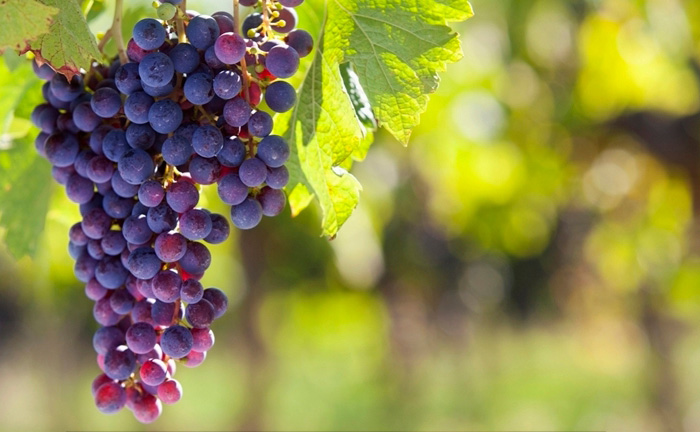
Posted onWhile classic Bordeaux blends often feature Cabernet Sauvignon as the backbone, a compelling and increasingly celebrated partnership exists between Merlot and Petit Verdot. This combination marries the plush, approachable character of Merlot with the intense color, structure, and aromatic complexity of Petit Verdot, resulting in wines of remarkable depth and sophistication.
The Character of the Components
To understand the synergy, one must first appreciate the individual profiles each grape brings to the blend.
Merlot is renowned for its soft, supple texture and approachable fruit-forward nature. It typically offers flavors of ripe plum, black cherry, and chocolate, with notes of bay leaf and cedar emerging with age. Its moderate tannins and lower acidity make it a wine of immediate appeal, providing the blend with a generous, fleshy mid-palate and a sense of roundness.
Petit Verdot, traditionally a minor supporting player in Bordeaux, is a late-ripening grape that packs a powerful punch. It contributes intense inky color, robust tannic structure, and high levels of natural acidity. Its aromatic profile is distinctly floral and spicy, with hallmark notes of violet, lavender, blueberry, and sometimes graphite or leather. In warmer climates where it fully ripens, it develops a dense, concentrated fruit character.
The Alchemy of the Blend
When skillfully combined, these two varieties achieve a harmony that elevates both.
Petit Verdot acts as a “backbone builder” for Merlot. Its firm tannins and acidity provide a scaffolding that supports Merlot’s softer, fleshier fruit, giving the wine a more defined architecture and significantly improving its aging potential. What might be a charming, early-drinking Merlot becomes a wine with the grip and tension to evolve gracefully over a decade or more.
Merlot’s ripe, red and black fruit spectrum is beautifully complicated by Petit Verdot’s exotic floral notes and dark, spicy elements. The blend gains layers of aroma and flavor that are more intricate than what either grape could achieve alone. The result is a wine that invites contemplation, revealing different nuances with each sip.
Petit Verdot is one of the most deeply pigmented grapes in the world. Even a small addition (often between 5% and 15%) can dramatically deepen the ruby hue of a Merlot-dominated wine, giving it a visually arresting, opaque crimson or purple core that promises intensity.
The key to success lies in proportion. The winemaker’s art is to use enough Petit Verdot to provide structure and complexity without allowing its formidable tannins to overwhelm Merlot’s inherent charm. When balanced, the blend offers the best of both worlds: the immediate pleasure of Merlot’s fruit and the intellectual interest and longevity imparted by Petit Verdot.
Global Expressions
While the pairing has its roots in Bordeaux, particularly in the Right Bank appellations where Merlot is king, it has found a particularly welcoming home in the New World.
* California and Washington State: Winemakers in regions like Napa Valley, Paso Robles, and Columbia Valley have embraced the blend. The ample sunshine ensures Petit Verdot ripens fully, contributing rich, sun-drenched fruit alongside its structure, creating powerful yet polished wines.
* Australia: In regions such as Margaret River and Coonawarra, the blend produces wines with exceptional intensity, combining Merlot’s dark fruit with Petit Verdot’s signature violet notes and firm grip.
* South America: Chile and Argentina are crafting outstanding examples, often with a distinctive New World fruit purity alongside the classic structural benefits.
A Wine for the Table
A Merlot-Petit Verdot blend is a versatile partner for food. Its combination of ripe fruit, soft texture, and robust structure allows it to pair beautifully with a wide range of dishes. Consider it with herb-crusted lamb, grilled portobello mushrooms, duck confit, or aged hard cheeses. The wine has enough body to stand up to rich flavors but retains enough freshness to cleanse the palate.
Conclusion
The blend of Merlot and Petit Verdot is a testament to the magic of thoughtful winemaking. It transforms the amiable, generous nature of Merlot into a more complete, serious, and age-worthy wine, while taming and framing the wild power of Petit Verdot. For the wine enthusiast, it offers a compelling exploration of balance—a seamless integration of fruit and flower, softness and strength, immediacy and longevity. It is a blend that deserves recognition and a place in any cellar dedicated to wines of both pleasure and profundity.
Merlot Blends with Petit Verdot: A Symphony of Elegance and Structure In the world of fine wine, blending is an art form that allows winemakers to craft complex, balanced, and memorable bottles
Posted onWhile classic Bordeaux blends often feature Cabernet Sauvignon as the backbone, a compelling and increasingly celebrated partnership exists between two other noble varieties: the plush, approachable Merlot and the intense, structured Petit Verdot. This union creates wines of remarkable depth, marrying immediate charm with serious aging potential.
Understanding the Partners
Merlot is the charming ambassador. Known for its soft tannins, ripe fruit flavors of plum, black cherry, and chocolate, and a generally rounded, supple mouthfeel, Merlot provides the foundational flesh and drinkability of the blend. It offers early appeal and a velvety texture that makes wine instantly enjoyable.
Petit Verdot, traditionally a minor supporting player in Bordeaux, is the powerful architect. This late-ripening grape contributes intense color, robust tannic structure, and aromatic complexity. Its flavor profile leans towards dark blue and black fruits—blueberry, blackberry—along with notes of violet, leather, and sometimes a pleasant hint of graphite or spice. In warmer climates where it fully ripens, it loses its sometimes harsh edges and reveals its profound potential.
The Alchemy of the Blend
When combined, these two varieties perform a beautiful balancing act:
Petit Verdot’s formidable tannic framework is softened and wrapped in Merlot’s plush fruit. The result is a wine that feels powerful yet polished, with a grip that suggests longevity without being astringent.
Merlot’s ripe, red-fruit spectrum is deepened and complicated by the dark, floral, and earthy notes from Petit Verdot. The bouquet becomes multi-layered, evolving in the glass.
Petit Verdot is one of the most deeply pigmented grapes, giving the blend an inky, opaque ruby-purple hue. It also adds density and weight to the mid-palate, preventing Merlot from feeling too simple or soft.
While Merlot-dominant wines can be approachable young, the addition of Petit Verdot’s acid and tannin structure significantly boosts the wine’s ability to develop gracefully in the bottle for a decade or more.
Global Expressions
This blend thrives in both Old and New World regions:
* Bordeaux, France: In the Left Bank appellations, Petit Verdot is occasionally used in small percentages (often 2-5%) to add color and structure to Merlot-based blends, especially in warmer vintages. On the Right Bank, some innovative producers are experimenting with higher proportions to create more powerful, age-worthy Saint-Émilions or Pomerols.
* New World Regions (USA, Australia, Chile, South Africa): Here, winemakers often exercise more freedom. In warm climates like California’s Paso Robles, Australia’s McLaren Vale, or Washington State, both grapes achieve excellent ripeness. Blends may feature a higher percentage of Petit Verdot (sometimes 20-40%), creating bold, opulent, and intensely flavored wines that retain balance thanks to Merlot’s juicy core.
On the Table
A Merlot-Petit Verdot blend is a versatile partner for food. Its combination of fruit richness and structural grip allows it to stand up to hearty dishes without overwhelming them. Ideal pairings include:
* Grilled or roasted red meats (lamb, beef, duck)
* Hard, aged cheeses
* Mushroom-based pasta or risotto
* Herb-crusted pork loin
A Blend for the Connoisseur
The Merlot and Petit Verdot blend is more than a simple combination; it is a dialogue between generosity and intensity. It offers an enticing alternative for lovers of Cabernet blends who seek a slightly more perfumed and plush experience, and for Merlot enthusiasts looking for a wine with greater backbone and mystery. This partnership showcases how thoughtful blending can elevate individual components to create a whole that is truly greater than the sum of its parts—a bottle that delivers both immediate pleasure and long-term reward.
Featured wine
popular posts
-

Zinfandel Wine Insurance: Protecting Your Liquid Assets from Vine to Glass
10-08 2026When collectors and restaurateurs think about valuable assets, they often picture real estate, jewelry, or fine art. Yet a growing number of wine... Read More
-
Merlot Wine and Insurance: The Ultimate Guide to Protecting Your Valuable Collection
10-08 2026Introduction Merlot wine is one of the most beloved and widely collected varietals in the world. From the prestigious vineyards of Bordeaux to the... Read More