
Tag: blogs
re is a professional English article on the aging potential of premium Merlot, written in a formal style suitable for wine publications or industry blogs
Posted on—
Title: Aging Potential of Premium Merlot
By [Your Name/Publication]
For decades, Merlot has played a supporting role in the world of fine wine, often overshadowed by the tannic structure of Cabernet Sauvignon or the exclusivity of Pinot Noir. However, for the discerning collector and the patient drinker, premium Merlot—particularly from world-class terroirs—offers a compelling and often underestimated capacity for graceful aging. When crafted with intention, this varietal can evolve into a wine of profound complexity, texture, and aromatic nuance.
This article explores the intrinsic factors that determine the aging potential of top-tier Merlot, the stylistic differences across key producing regions, and the sensory evolution a bottle undergoes over time.
The Structural Pillars of Age-Worthy Merlot
Not all Merlot is built for the cellar. The standard, fruit-forward styles produced in high volumes are designed for immediate consumption. Premium Merlot, however, possesses three critical structural components that enable long-term development:
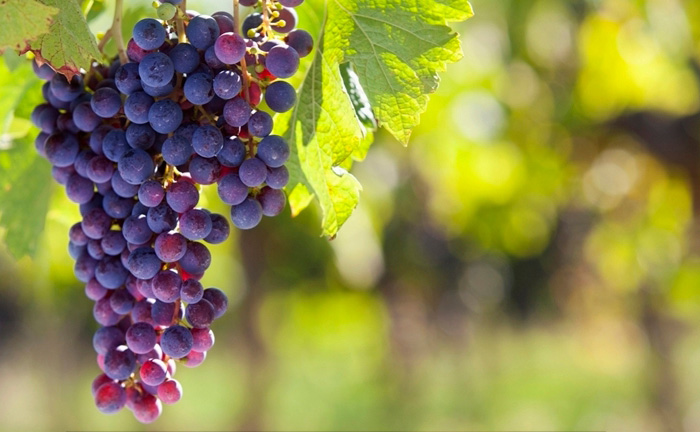
The perception that Merlot is inherently “soft” is a misconception. In top vineyards—particularly those on the Right Bank of Bordeaux or in select Napa Valley hillsides—Merlot produces thick-skinned berries. When managed through extended maceration and quality oak aging, these tannins are plentiful, fine-grained, and grippy. They provide the necessary “backbone” that prevents the wine from collapsing into flat, jammy fruit as it ages.
Acidity is the wine’s preservative. It acts as a natural antioxidant, slowing down oxidation and maintaining freshness. Premium Merlot from cooler climates or well-drained, limestone-rich soils retains a vibrant, mouthwatering acidity that is essential for structural integrity over a decade or more.
The depth of color and flavor intensity in a young, premium Merlot is a direct indicator of its aging potential. Wines with high concentrations of anthocyanins (color) and flavor precursors will not fade quickly. This concentration is achieved through low yields, careful canopy management, and rigorous selection in the vineyard.
Regional Expressions and Their Trajectories
The aging potential of Merlot is profoundly shaped by its origin. The style of the wine dictates how it will evolve.
Bordeaux (Right Bank): The Benchmark
Pomerol and Saint-Émilion are the spiritual homes of age-worthy Merlot. Here, the grape is often blended with a small percentage of Cabernet Franc for added complexity. A top Pomerol (e.g., Château Pétrus or Le Pin) or a Grand Cru Classé Saint-Émilion is built for the long haul.
Dense, opaque, with explosive flavors of black cherry, plum, violets, and graphite.
The primary fruit begins to recede, giving way to secondary notes of leather, tobacco, cedar, and truffle. Tannins soften, and the texture becomes velvety.
The wine enters a tertiary phase of sous-bois (forest floor), mushroom, dried herbs, and savory umami. The color shifts to a brick-red rim. These wines achieve a sublime, ethereal balance.
Napa Valley (USA): The Powerhouse
California’s premium Merlot, particularly from estates like Duckhorn or Pride Mountain, is typically richer, riper, and higher in alcohol. While powerful, these wines can age beautifully for 10–20 years.
Explosive, jammy fruit (blackberry, blueberry), mocha, and sweet vanilla from new American or French oak.
The fruit evolves toward dried fig and prune. Tannins, though present, are often more plush. The wine develops notes of dark chocolate, anise, and baking spices. The window of peak drinking is often narrower than Bordeaux, but the intensity is unmatched.
“Super Tuscan” & Tuscany (Italy): The Elegant Hybrid
Merlot from Bolgheri (e.g., Masseto or Tignanello) combines the structure of Sangiovese with the plushness of Merlot. These wines often have a savory, herbal edge.
Expect a graceful evolution over 10–20 years, with a distinct character of balsamic notes, wild herbs (sage, rosemary), and a more lifted, mineral finish than their New World counterparts.
The Sensory Journey of an Aged Premium Merlot
To understand the magic of an aged Merlot, one must appreciate the transformation. A young premium Merlot is a statement of power and fruit. An aged one is a conversation of texture and nuance.
Moves from a deep, opaque purple-garnet to a lighter, translucent brick-red or tawny rim.
The primary fruit (cherry, plum) integrates with secondary notes (cedar, cigar box, vanilla) and eventually tertiary notes (truffle, leather, game, forest floor).
The most dramatic change is texture. The aggressive, grippy tannins of youth polymerize and soften, creating a silky, supple, and almost creamy mouthfeel. The finish lengthens, becoming more savory and less overtly fruity.
Practical Guidelines for Cellaring
To realize the aging potential of a premium Merlot, proper storage is non-negotiable.
Consistent 12–14°C (53–57°F).
60–70% to prevent cork drying.
Store in complete darkness.
Bottles should be laid on their side to keep the cork moist.
When to drink?
Drink within 5–8 years.
Drink between 8–15 years.
Drink between 15–30+ years.
Decanting: An aged Merlot (10+ years) should be decanted carefully to separate any sediment. However, decanting time should be shorter (30–60 minutes) than for a young wine, as prolonged exposure to air can cause delicate tertiary aromas to fade rapidly.
Conclusion
The aging potential of premium Merlot is a testament to the grape’s versatility and the skill of the winemaker. It is a wine that rewards patience, offering a journey from vibrant, youthful exuberance to a mellow, complex maturity. For collectors seeking a diversified cellar, a selection of top-tier Merlot from Bordeaux, Napa, and Tuscany provides not only a hedge against the volatility of fashion but also a guarantee of profound drinking pleasure for decades to come. It is time to give Merlot the respect it deserves—not just as a blending agent, but as a master of age.
Featured wine
popular posts
-

Cabernet Sauvignon Blends with Malbec In the vast and varied landscape of red wine, few partnerships have proven as compelling, and as commercially successful, as the union of Cabernet Sauvignon and Malbec
9-07 2026While each grape possesses a distinct and powerful identity on its own, their combination creates a wine that is often described as the best Read More
-
A Practical Guide to Describing What’s in Your Glass
9-06 2026scribing What’s in Your Glass** For many newcomers, wine tasting can feel like stepping into a room where everyone else speaks a secret language. Read More