
Tag: Challenge Syrah
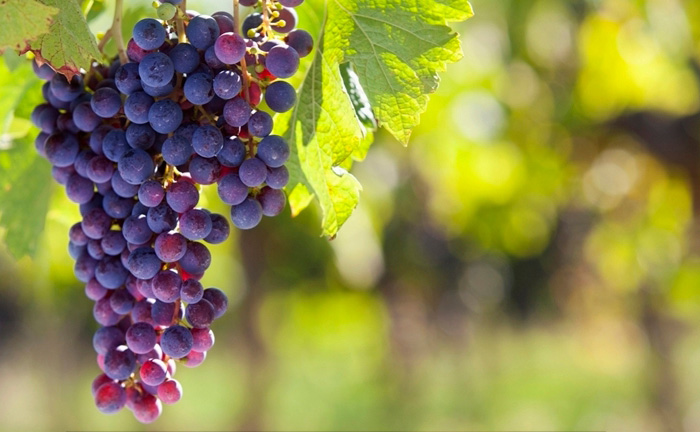
Climate Change Effects on Syrah Grapes: A Viticultural Challenge Syrah, known for its bold, spicy character and deep color, is one of the world’s most celebrated red wine grapes
Posted onFrom its ancestral home in France’s Rhône Valley to thriving vineyards in Australia (where it’s called Shiraz), California, South Africa, and beyond, Syrah has defined regions and delighted palates. However, the accelerating impacts of climate change are reshaping the very environments in which this noble variety thrives, presenting both profound challenges and unexpected opportunities for winemakers.
The Core Challenge:
Heat and Altered Ripening
The most direct impact of climate change on Syrah is increased temperature. Syrah is a late-ripening variety that traditionally benefits from a long, warm growing season to develop its signature peppery notes, dark fruit flavors, and structured tannins. However, as average temperatures rise and heatwaves become more frequent and intense, the balance is being disrupted.
Key Phenological Shifts:
* Earlier Budbreak: Warmer springs trigger earlier growth, exposing young shoots to a higher risk of late spring frosts.
* Accelerated Veraison and Harvest: The entire ripening cycle is compressed. Grapes accumulate sugar very rapidly, leading to potential alcohol levels that can exceed 16% if left unchecked.
* Maturity Disconnect: The traditional synchrony between sugar accumulation (technical ripeness) and the development of phenolic compounds (tannins, color, flavor precursors) is breaking down. Grapes may reach high sugar levels before tannins have softened and complex flavors have fully developed, risking wines that are overly alcoholic, jammy, and lacking freshness or structure.
Secondary Impacts:
Water Stress and Extreme Events
Beyond simple heat, climate change manifests in ways that further stress Syrah vines.
* Drought and Water Scarcity: Many premium Syrah regions, like the Northern Rhône or parts of Australia, are already dry. Prolonged droughts and reduced snowpack threaten irrigation resources. While Syrah is relatively drought-tolerant, severe water stress can halt photosynthesis, stunt berry development, and, in extreme cases, kill vines.
* Wildfires and Smoke Taint: Increased aridity and heat elevate wildfire risk. Smoke from nearby fires can settle on grape skins, imparting undesirable smoky, ashy, or medicinal characters known as “smoke taint,” which can render a vintage unusable—a particular threat in regions like California, Australia, and the Western U.S.
* Erratic Precipitation and Hail: Changes in rainfall patterns can lead to intense downpours, promoting fungal diseases like mildew. Unseasonal hail events can devastate canopies and destroy crops in minutes.
Regional Responses and Adaptations
Winemakers and viticulturists are not passive observers; they are deploying a range of strategies to adapt.
In the Vineyard:
* Canopy Management: Leaving more leaf cover to shade clusters and mitigate sunburn.
* Vineyard Re-siting: Planting new vineyards at higher altitudes or cooler, south-facing slopes in the Southern Hemisphere (or north-facing in the North) to find slower ripening conditions.
* Soil and Water Management: Using cover crops to retain soil moisture and improve health. Investing in precise drip irrigation systems for efficiency.
* Clonal and Rootstock Selection: Experimenting with clones that ripen later or retain acidity better, and drought-resistant rootstocks.
In the Winery:
* Earlier Harvesting: Picking at lower sugar levels to preserve acidity, then using techniques like saignée or reverse osmosis to manage concentration if necessary.
* Acidification: Adding tartaric acid to balance wines from overripe grapes, though this is regulated and not permitted in some Old World regions.
* Adapted Winemaking: Using whole-cluster fermentation for freshness, exploring lighter extraction methods, and utilizing clay or concrete vessels instead of oak to emphasize purity over power.
A Question of Terroir and Identity
The most profound question is one of identity. Will the classic flavor profile of Syrah—the iron, black olive, and peppery cool-climate signature of Hermitage—become harder to achieve in its historic home? Conversely, will regions previously considered too cool for Syrah, like parts of England, Germany, or the U.S. Pacific Northwest, emerge as new frontiers for elegant expressions?
Conclusion
Climate change is fundamentally altering the viticultural map for Syrah. The challenge is to manage excessive heat and water stress while preserving the variety’s essential balance of power and finesse. Success will depend on a combination of scientific innovation, thoughtful adaptation in both vineyard and cellar, and, perhaps, a willingness to embrace subtle evolutions in the style and character of Syrah-based wines. The story of Syrah in the 21st century is becoming a key narrative in the larger saga of how agriculture adapts to a warming world, with the quality of a cherished global wine hanging in the balance.
Featured wine
popular posts
-

Red Wine and Insurance: Understanding Coverage, Risks, and Protection for Collectors and Enthusiasts
10-17 2026Red wine is more than a beverage—it's an investment, a passion, and for many, a valuable asset. From rare vintage Bordeaux to everyday favorites,... Read More
-
Merlot Wine and Insurance: Understanding Coverage for Your Valuable Collection
10-16 2026Introduction For collectors and enthusiasts, a well-curated wine cellar represents far more than a hobby—it is a significant financial asset. Among... Read More