
Tag: dotted
Italian Barolo vs Brunello: A Tale of Two Titans Italy’s wine landscape is dotted with iconic regions, but few rivalries capture the imagination of connoisseurs quite like Barolo versus Brunello
Posted onBoth are legendary red wines, both are crowned with the highest Italian designation of DOCG, and both command respect, price, and age-worthiness. Yet, they are profoundly different expressions of place, grape, and tradition. Understanding the distinction is key to appreciating the pinnacle of Italian winemaking.
The Foundations:
Grape and Territory
At their heart, the difference begins with the grape.
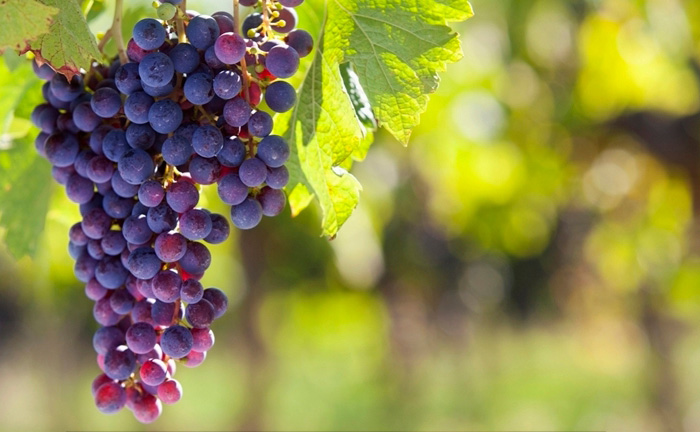
* Barolo: Hailing from the rolling hills of Piedmont in the northwest, Barolo is made exclusively from the Nebbiolo grape. The name is thought to derive from *nebbia*, Italian for “fog,” which blankets the Langhe region during harvest. Nebbiolo is a notoriously finicky grape, late-ripening and demanding of specific limestone-rich marl soils and optimal vineyard exposures.
* Brunello di Montalcino: This wine comes from the sun-drenched, arid hills around the medieval town of Montalcino in Tuscany. It is made from a specific clone of Sangiovese, locally called Brunello (“little dark one”). Sangiovese finds a unique, powerful expression here, thriving in the warmer, drier climate and varied soils.
In the Glass:
A Sensory Comparison
| Characteristic | Barolo (Nebbiolo) | Brunello di Montalcino (Sangiovese) |
| :— | :— | :— |
| Color | Often lighter: garnet core with orange-tinged edges, even in youth. | Typically deeper ruby-red, evolving to garnet with age. |
| Aroma (“Nose”) | Complex and ethereal: tar, roses, dried cherries, truffle, leather, and earthy notes. Often described as “autumnal.” | Rich and warm: ripe red cherries, plum, dried herbs, leather, tobacco, and a distinctive earthy, clay-like minerality. |
| Taste (“Palate”) | High acidity and formidable tannins create a structure that is powerful yet elegant. Flavors of red fruit, licorice, and anise. | Full-bodied with robust, dusty tannins and bright acidity. Riper fruit profile, with notes of cherry, espresso, and sweet spice. |
| Texture | Lean, muscular, and sometimes austere in youth; becomes velvety with age. | Richer, broader, and more immediately generous on the palate, though still firmly structured. |
Philosophy and Winemaking
Traditional winemaking for both involved extended aging in large, neutral Slavonian oak casks (*botti*), which allows the pure expression of grape and terroir to shine without imparting strong oak flavors.
* Barolo Tradition: The “traditionalist” school emphasizes long macerations and aging, producing wines that can be fiercely tannic in their youth, requiring decades to soften. A “modernist” movement emerged in the 1980s-90s, using shorter fermentations, French barrique barrels, and techniques to create more approachable, fruit-forward wines earlier. Today, the best producers often blend these philosophies.
* Brunello Tradition: Consistency has been more central. Brunello must, by law, age for a minimum of 5 years before release (2 years in oak, 4 months in bottle for the *normale*, and 6 months more for the Riserva). The use of smaller barriques has been adopted by some, but many top estates remain committed to the large *botti*, preserving Sangiovese’s aromatic purity and linear structure.
Aging Potential and When to Drink
Both are among the world’s most long-lived wines.
* Barolo is often called “the wine of kings, the king of wines.” A great Barolo from a classic vintage can need 10-20 years to begin showing its full spectrum of secondary aromas (tar, truffle, forest floor). Its high acidity acts as a preservative, allowing it to evolve gracefully for decades.
* Brunello, while also requiring patience, can often be more approachable in its youth due to its riper fruit profile. However, a great Brunello truly integrates and develops haunting complexity after 10-15 years of cellaring.
Food Pairings
Their structural power demands hearty, flavorful cuisine.
* Barolo is a classic partner for rich, earthy dishes of Piedmont: white truffle risotto, braised beef dishes like *brasato al Barolo*, game birds, and aged hard cheeses like Castelmagno.
* Brunello sings alongside the robust flavors of Tuscan fare: *bistecca alla Fiorentina* (T-bone steak), wild boar stew (*cinghiale*), mushroom-based pasta, and aged Pecorino cheese.
Conclusion:
Elegance vs. Power
Choosing between Barolo and Brunello is not about selecting a “better” wine, but about choosing a different experience.
* Think of Barolo as the aristocrat: nuanced, ethereal, and introspective. It is a wine of fragrance, tension, and intellectual appeal, often revealing its secrets slowly and rewardingly.
* Think of Brunello as the sun-drenched warrior: broader, warmer, and more immediately powerful. It is a wine of bold structure, ripe fruit, and visceral appeal, offering both generosity and formidable aging capacity.
Ultimately, the best way to decide is to taste them side by side. Open a Barolo and a Brunello from the same vintage, share them with good food and friends, and let these two titans of Italy tell their own magnificent stories.
Featured wine
popular posts
-

— wp:heading {“level”:1} –> Difference Between French and Argentine Malbec Malbec is one of the most recognizable red grape varieties in the world, yet its reputation rests on two very different foundations
9-28 2026In France, it is an ancient blending grape of the southwest, valued for structure and restraint. In Argentina, it is the flagship variety that Read More
-
— wp:heading {“level”:1} –> Best Washington State Merlot Under $40 Washington State has quietly become one of the most compelling places on earth to grow Merlot
9-27 2026While Napa and Bordeaux command the headlines, the vineyards of the Columbia Valley—sheltered by the Cascade Range in a high-desert rain shadow—produce Merlot with Read More