
Tag: enjoyed
— wp:heading {“level”:1} –> Merlot Tasting Notes for Beginners Merlot is one of the most widely planted and widely enjoyed red grape varieties in the world
Posted on Known for its soft texture, ripe fruit flavors, and approachable style, it is an excellent choice for anyone beginning to explore wine. This guide walks new tasters through the essential characteristics of Merlot, from its appearance in the glass to its finish on the palate, and offers practical tips for building confidence in tasting.Why Merlot Is a Great Starting Point
Merlot is prized for its smooth, round mouthfeel and relatively low tannin compared with varieties such as Cabernet Sauvignon or Syrah. These qualities make it easy to drink on its own and forgiving for beginners who are still developing their palate. Its flavors tend to be fruit-forward and familiar, which helps new tasters connect what they smell and taste with words they already know.
Appearance
Begin your tasting by simply looking at the wine. Pour a small amount into a clear glass and tilt it against a white background.
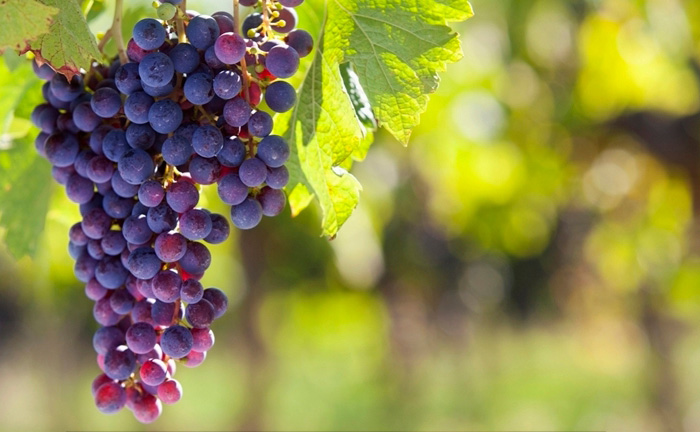
- Color: Merlot typically shows a deep ruby to garnet hue.
- Intensity: The color is usually medium to deep, though it can appear lighter at the rim in cooler climates.
- Clarity: A well-made Merlot should be clear and bright, without cloudiness.
Aromas
Swirl the glass gently to release the aromas, then bring it to your nose and take a slow, steady sniff. Merlot generally offers a pleasing bouquet that falls into a few recognizable categories.
Fruit Aromas
- Black cherry
- Plum
- Blackberry
- Raspberry (especially in cooler-climate versions)
- Redcurrant
Non-Fruit Aromas
- Chocolate and cocoa
- Cedar and tobacco
- Vanilla and clove (from oak aging)
- Green bell pepper or herbal notes (in some cooler vintages)
- Leather and earth (in aged examples)
Palate and Flavor
Take a small sip and let the wine move across your tongue before swallowing. Pay attention to the following elements:
- Sweetness: Merlot is almost always dry, though ripe fruit can create an impression of sweetness.
- Acidity: Generally medium, giving the wine freshness without sharpness.
- Tannin: Soft to medium, contributing a gentle drying sensation on the gums.
- Body: Medium to full, with a rounded, velvety texture.
- Alcohol: Often medium to high, which can add warmth on the finish.
Flavors on the palate usually mirror the aromas: ripe dark fruit, a touch of chocolate, and sometimes a subtle herbal or spicy note. The finish is typically smooth and moderately long.
How Style Varies by Region
Merlot changes character depending on where it is grown. Understanding these differences can help you identify what you enjoy most.
- Bordeaux, France: Often blended with Cabernet Sauvignon, producing structured wines with plum, cedar, and earthy notes.
- Napa Valley, USA: Ripe, plush, and fruit-forward, with flavors of black cherry, mocha, and vanilla.
- Washington State, USA: Concentrated dark fruit with firm structure and hints of cocoa.
- Chile: Affordable, approachable styles with plum and herbal accents.
- Italy: Varietal Merlot from regions such as Tuscany shows ripe fruit and soft tannins.
Tasting Tips for Beginners
- Serve at the right temperature: Around 60–65°F (15–18°C) is ideal. Too warm and the alcohol becomes harsh; too cold and the aromas close down.
- Use a proper glass: A glass with a wide bowl helps concentrate the aromas.
- Take notes: Write down what you smell and taste, even if it feels simple at first. Comparing notes over time builds your vocabulary.
- Try it with food: Merlot pairs well with roast chicken, grilled meats, pasta with tomato sauce, and mild cheeses.
- Compare and contrast: Taste two Merlots from different regions side by side to notice the differences.
Conclusion
Merlot is a welcoming wine for beginners and a rewarding one for experienced tasters. Its soft tannins, ripe fruit flavors, and versatility make it an ideal starting point for anyone learning to taste wine with intention. By observing its appearance, exploring its aromas, and noting its flavors on the palate, you can develop a deeper appreciation for this classic grape variety. With practice and curiosity, your tasting notes will grow more detailed and confident with every glass.
Featured wine
popular posts
-

— wp:heading {“level”:1} –> Merlot Tasting Notes for Beginners Merlot is one of the most widely planted and widely enjoyed red grape varieties in the world
9-18 2026Known for its soft texture, ripe fruit flavors, and approachable style, it is an excellent choice for anyone beginning to explore wine. This guide Read More
-
— wp:heading {“level”:1} –> Small Producers Making Exceptional Pinot Noir Pinot Noir has long been regarded as one of the most challenging grape varieties to cultivate and vinify
9-17 2026Thin-skinned, genetically unstable, and notoriously sensitive to its environment, it demands patience, precision, and a deep understanding of terroir. While large estates often dominate Read More