
Tag: Grapes
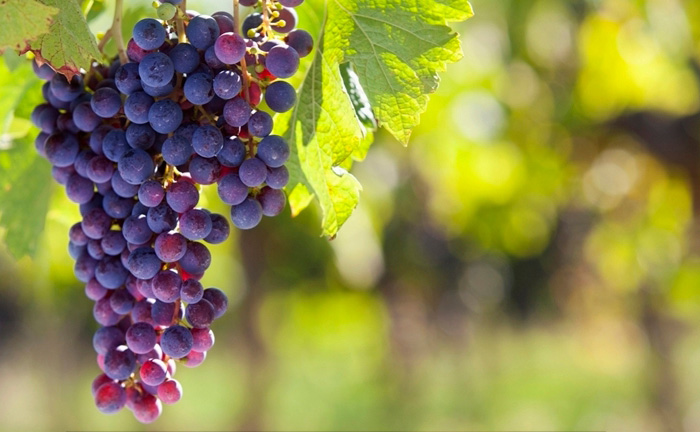
Cabernet Sauvignon: Reaching New Heights in High Altitude Vineyards For centuries, Cabernet Sauvignon has reigned as the king of red grapes, celebrated for its power, structure, and aging potential
Posted onTraditionally associated with the sun-drenched benches of Bordeaux and the famed valleys of Napa, this noble variety is now revealing a thrilling new dimension: its expression from high altitude vineyards. As viticulture pushes into the mountains and foothills of regions across the globe, winemakers are discovering that altitude is not a barrier, but a catalyst for producing some of the world’s most elegant, complex, and distinctive Cabernet Sauvignon.
The Science of Thin Air:
How Altitude Shapes the Grape
The transformation begins with the environment. High altitude vineyards, typically defined as those above 500 meters (1,640 feet) and often reaching 2,000 meters (6,560 feet) or more, create a unique set of growing conditions.
* Intensified Sunlight & UV Radiation: At higher elevations, the atmosphere is thinner, filtering less solar radiation. Grapes receive more intense sunlight and higher levels of ultraviolet (UV) rays. This stress triggers the vines to produce thicker grape skins as a natural sunscreen. For Cabernet Sauvignon, this translates to a greater concentration of color compounds (anthocyanins), tannins, and flavor precursors, all housed within that protective skin.
* Dramatic Diurnal Shifts: Mountain days are warm and sunny, allowing for optimal photosynthesis and sugar development. Nights, however, plunge to significantly cooler temperatures. This wide diurnal temperature variation allows the grapes to “rest,” slowing respiration and preserving crucial natural acidity. The result is a wine with the ripe fruit intensity expected of Cabernet, but framed by a vibrant, fresh acidity that provides balance and longevity.
* Well-Drained, Stressed Soils: High altitude sites are often characterized by rocky, poor, and free-draining soils—granite, schist, and volcanic rock are common. These soils force vine roots to dig deep for water and nutrients, naturally limiting vigor and yield. This “beneficial stress” concentrates the vine’s energy into fewer clusters, amplifying flavor and structural components.
A Taste of the Heights:
The Flavor Profile
The sensory profile of high altitude Cabernet Sauvignon departs from the richer, denser style of valley floor counterparts. Expect a wine of precision and energy:
* Aroma & Flavor: The fruit spectrum often leans towards cooler, darker tones—blackcurrant, black cherry, and blueberry—rather than jammy or stewed fruit. These are frequently layered with notes of violet, graphite, crushed rock, fresh herbs (like sage or thyme), and a distinctive peppery or floral lift.
* Structure: The hallmark is a compelling tension. The wines possess formidable tannins, but they are typically finer-grained and more integrated, feeling chalky or silky rather than grippy. The elevated natural acidity provides a linear drive and freshness that makes the wine feel lively in the mouth, not heavy.
* Alcohol & Body: While still full-bodied, these Cabernets often exhibit a slightly lower alcohol content compared to hotter, lower sites, as the cooler nights moderate sugar accumulation. This contributes to an overall impression of elegance and drinkability, even in youth.
Global Pioneers:
Regions Defining High Altitude Cabernet
The pursuit of altitude is a global phenomenon, with visionary producers seeking out mountainous terrain:
* Argentina (Mendoza – Uco Valley): The global poster child for high altitude viticulture. Vineyards here climb from 900 meters up to 1,500 meters in sub-regions like Paraje Altamira, Gualtallary, and Los Chacayes. Argentine high-altitude Cabernet (often blended with Malbec) is celebrated for its mineral intensity, aromatic purity, and vibrant acidity.
* United States (California – Sierra Foothills, Colorado): Beyond Napa, regions like El Dorado and Amador County in the Sierra Foothills cultivate Cabernet at elevations between 500-1,000 meters, yielding structured, aromatic wines. Colorado’s West Elks and Grand Valley AVAs, with vineyards over 1,400 meters, produce remarkably fresh and balanced examples.
* Italy (Trentino-Alto Adige, Sicily’s Etna): In Italy’s northern reaches, Cabernet finds a home at altitude, producing leaner, more herbal styles. On the slopes of Mount Etna, up to 1,000 meters, Cabernet Sauvignon planted in volcanic ash expresses unique smoky and savory characteristics.
* Other Notable Regions: Look to the foothills of the Andes in Chile (e.g., Maipo Alto), the Swartland mountains of South Africa, and even the nascent high-altitude projects in places like China’s Yunnan province.
The Challenge and the Reward
Farming at altitude is not for the faint of heart. Steep slopes necessitate manual labor, increasing cost and risk. Frost, hail, and intense wind are more prevalent threats. The shorter growing season requires meticulous timing. Yet, for those who embrace the challenge, the reward is in the bottle: Cabernet Sauvignon that speaks with a clear, terroir-driven voice, offering a compelling alternative narrative of power through finesse rather than sheer weight.
In conclusion, the exploration of high altitude vineyards represents one of the most exciting frontiers in modern winemaking. For Cabernet Sauvignon, a grape once synonymous with opulence, these elevated sites are refining its expression, gifting it with aromatic complexity, structural elegance, and a breathtaking sense of place. To taste a high altitude Cabernet is to taste the air, the rock, and the sun of the mountain—a truly elevated experience.
Red Grapes Are Not Simply For Jelly!
Posted onRed Grapes Are Not Just For Jelly!
As an extension to, “White Grapes are as Various as Apples and also Oranges,” red grapes are significantly the very same. In some cases it is unsubstantiated that a person tiny piece of fruit could vary so much. Despite the fact that there are dozens after loads of ranges of red grape, the complying with is a list of exactly what I really feel are the major red varieties.
Pinot Noir
Pinot Noir comes from Burgundy however could also call areas such as Tasmania and also New Zealand home as well as is typically considered to be the lightest of all the red grape selections. Flavours and aromas once more can vary yet usually are evocative raspberry as well as strawberry while having spicy and also earthy scents. Since of the variety of flavours as well as scents that can be produced from Pinot Noir, it is very important to ask a merchant when first obtaining included in this variety because as very easy it is to have a stunning container it is simply as simple to have a bottle that would certainly provide you headaches. It is also vital to bear in mind that although Pinot Noir is a reduced yielding selection it is not constantly needed to spend a great deal of cash to obtain a nice container of wine you simply require to recognize just what to look for (which is where asking enters into play if you are unsure of a particular region or vineyard).
Shiraz/Syrah
Equally As Pinot Grigio and also Pinot Gris are essentially the very same, Shiraz and Syrah are basically the same with the distinctions existing just in their styles and also beginnings. Syrah has a lot more seasoning and also be a leaner and sophisticated Vintage style grape while its brother Shiraz is a fruitier and also more oaky New World star. Syrah has attributes that range from plum to redcurrants with a lot of spice while Shiraz is a rich and intense wine that will remind you of raspberry, cedar and also planet. Both are rather intense in their very own right and often need a gotten taste for strong, effective fruity and also spicy wines to be fully valued.
Cabernet Sauvignon
Cabernet Sauvignon is a native to France’s Bordeaux area as well as aside from being one of the ideal developed in grape expanding areas all over the world, it is additionally thought about by several (including myself) the leader of merlots. This is also in part as a result of their thick skins and also high level of acidity having developed a few of the best as well as oldest red wines around. Having an incredible universal charm, Cabernet Sauvignon has a range of flavours as well as aromas. These scents can vary from leather and mint to fruity such as cherry and plum and also add to the “full body” feeling that this wine is known for.
Red wine
A popular wine, Red wine often runs neck in neck with that said of Cabernet Sauvignon. Red wine is expanded throughout the globe including countries such as Australia and also The U.S.A. with it’s origins in France. With flavours that can be undecided in between light-weight and moderate bodied, Merlots flavours often tend to teem with plum fruit flavours with little tannin. Among the extra drinkable varieties, Merlot is a fast favorite with individuals that are simply begun to acquire a preference for red wine.
Zinfandel
Perhaps not as large in many components of the globe it could definitely be said that Zinfandel (additionally called Zin) has found it’s contacting the United States where in the Napa Valley it has had big success in developing some incredible wines. Zinfandels are known to develop wines differing from light bodied to complete on power residences to sweet dessert wines and ports. A reality that numerous individuals are beginning to end up being mindful of is that Zinfandel and also Primitivo from Italy are not different varieties however as a matter of fact are doubles.
While there are numerous more selections of red grape that were not touched upon such as Tempranillo, Grenache as well as Pinot Meunier, the above checklist hopefully will lose some light on the several selections of red grapes that are used to produce wine as even a basic expertise of grapes will considerably boost your capacity to recognize as well as value a container of wine.
Growing Grapes For Wine – Healthy Grape Vines For a Great Wine
Posted onIf you are a gardening enthusiast or a wine lover, growing grapes for wine may be an exciting activity for you. Making your own wine is indeed a good idea. You must remember though your backyard grapes may not be the variety that is great for wine making, thus if you want to venture into growing grapes for wine, here are some important tips that you may consider.
Choosing your wine grape
One main factor in making best wines, of course, is having the best quality of grapes. The variety of your grape vines should be the first consideration. Choose a type that is great for wine making and pick a variety that can thrive well with the climatic condition of your area. Most often, grapes grown healthily on areas with hot and dry summer and mild winters, as very low temperatures during winter can kill the grape vines.
Choosing your location
Make sure to choose a location that there is plenty of sun. This will in the proper ripening of the fruits that will contribute also to the taste of your wine. Other major considerations to take note in growing grapes for wine making include the soil, the topography, the fertilizers and the climatic conditions of your area. Planting your grape vines can also be done in slopes because these areas have good drainage and prevent the roots to be soaked with too much in water and that can freeze in winter. Slopes facing south are the best locations that you can get for growing grapes for wine as these areas will sure get good sunshine for your wine grapes. Bathing your vines with good sunlight helps a lot in the formation of sugars in fruits that become alcohol after fermentation. Beware of low lying areas too as these are prone to frosts that can damage your vines.
Disease and Pest Control
Like any other crop, growing grapes also involves monitoring especially for possible attack of pests and diseases. You can make use of pest attractants to drive pests away from the fruits. At mid summer when the fruits begin to swell and ripen, birds also begin to peck on the fruits, thus, before everything will be gone, you can put nets over the vines to stop them from feeding on the fruits. A gardening net would be a great one for this purpose.
Pruning for better fruits
Pruning your grape vines is also a factor that you should consider in growing grapes for wine, as this affects the production of good quality fruits. Pruning will help balance the production of fruits and prevent overbearing, which can lead to poor fruit quality. Aside from getting rid of messy vines, pruning also allows sunlight to nourish the vines well and helps maintain disease-free vines.
Harvesting your grapes
Harvesting the fruits at the right time is also important in growing grapes for wine making. It is not just enough also to look at the color of the fruits to determine if it is in its right ripeness for harvesting. Tasting the grapes is recommended. You can start harvesting your grapes if the seeds are dark or brownish and if the sugar level is just right. You can also make use of hydrometer to help you determine the sugar content of the grapes and if it is already right for harvesting.
Wine Grapes for Growing
Posted onWhen it comes to varieties of wine grapes for growing, it would take an enormous amount of time. So, let’s look at just a few of the most popular.
Black Spanish Southern Wine Grapes: This grape is juicy with a blackish-blue skin. This grape is good for making juice, jelly or wine. The vine is a great producer that is resistant to Pierce Disease and mildew. This grape is more suited for hot climates. The wine is similar to a Merlot or Cabernet wine. The grapes usually ripen in August to September
Blanc du Bois Wine Grapes: This grape is best suited for hot climates. This is an award-winning cultivar that makes excellent premium white wine. This grape is very resistant to Pierce disease.
Cabernet Sauvignon Wine Grapes: This grape is a small, round black renowned red wine producer. The fruit ripens in late September to October and can be grown in fairly cold to hot climates (not cold).
Champagne Wine Grape: This is a tiny grape also known as Black Corinth. The plant is suited mostly for hot climates.
Champanel Wine Grape: This grape can be used as a table grape or a wine grape. The plant is suited mostly for hot humid climates. The plant is resistant to heat and drought and also resistant to Pierce disease. This vine produces large, loose clusters of grapes. The fruit usually ripens in early July.
Chardonnay Wine Grapes: This vine produces a small round grape with a green skin. This grape is primarily used for making white wine. The fruit is usually harvested in late September through early October. This plant will grow in cold to hot climates.
Pinot Noir Wine Grape: This grape is a variety of the famous Burgandy wine region in Northern France. Some growers say the vine is finicky to grow. This vine grows best in cool to hot climates.
Sauvignon Blanc Wine Grape: This variety is used to make quality white table wines. The fruit is small, well formed in compact clusters and has a greenish color. This grape may produce a natural sweet wine. The plant ripens in mid-August to early September and likes cool to hot climates.
Merlot Wine Grape: The fruit grows in medium to large cluster. The grapes are medium sized, round bluish-black and ripens in late September to early October. This grape prefers cool to hot climates.
Pinot Gris Wine Grapes: This grape makes a low acid, white wine of exceptional color and taste. The flavor has been described as having a pear and spice cake flavor. The vine is also known as the Pinot Grigio which is thought to be a clone of the Pinot Noir. The fruit is a deep yellow to a copper color. The flavor will depend on the region it is grown in. The vines prefer cool to hot tempetures.
Zinfandel Wine Grape: The plant produces a purple to black colored grape. The fruit is juicy and medium size with a round shape. The grapes ripen in August and grow well in cool to hot climates.
This is just eleven of thousands of grape varieties. Therefore, you should check with the agriculture department in your area to find out what type of grape will grow best in your climate.
Happy grape growing,
S. S. Barnett
Resveratrol Level – Highest in Grapes Or Red Wine?
Posted onRed wine has a higher Resveratrol level than white wine. This is due to the fact that red wines are fermented extensively with the grapes skin on, than the white wines. As a result, a lot of the antioxidants including the product’s substance that are naturally found in the grape peels are taken out into the wine.
Also, grapes cultivated in moist surroundings have a propensity to have more of the substance than grapes cultivated in more dry surroundings. The assumption at the back of these events is that grapes produced in damp locations make more of it so as to combat harmful fungus. Grapes produced in dry locations do not have to make so much of it to live.
Wines that have been discovered to contain some of the most levels of the substance are Muscadine wines which come from the Muscadine grapes local to the moist South Eastern US; and pinot noir, from the fine Vinifera grape local to Burgundy, France. However, it is successfully grown in Oregon, California, Washington State, and New York as well. Pinot noir cultivated in more damp areas have a tendency to contain more of it.
The substance is present in the peels, seeds, and Pomace of grapes, but it is present in utmost strength in the peels. In this way, it is present in grape juice at the same time. The prominent grape types with comparatively increased levels of it are pinot noir grapes, Muscadine grapes, and concord grapes.
In most cases, grapes are excellent resources of vitamins C, B6, and B1 also potassium and manganese. Grapes are a good resource of in between meal alternative when calculating calories. Concord grapes have approximately sixty calories per cup.
The quantity of the substance in products can broadly differ. In pills there can be as small as five milligrams each pill at a pureness of ten percent or lower. On the other side of the scale, there are pills that offer close to 1000 milligrams of the substance per pill at a pureness of 99 percent.
Featured wine
popular posts
-

— wp:heading {“level”:1} –> Difference Between French and Argentine Malbec Malbec is one of the most recognizable red grape varieties in the world, yet its reputation rests on two very different foundations
9-28 2026In France, it is an ancient blending grape of the southwest, valued for structure and restraint. In Argentina, it is the flagship variety that Read More
-
— wp:heading {“level”:1} –> Best Washington State Merlot Under $40 Washington State has quietly become one of the most compelling places on earth to grow Merlot
9-27 2026While Napa and Bordeaux command the headlines, the vineyards of the Columbia Valley—sheltered by the Cascade Range in a high-desert rain shadow—produce Merlot with Read More