
Tag: Identify
json How to Identify a Jammy Zinfandel
Posted onZinfandel is one of the most versatile and expressive red wine grapes, beloved for its bold fruit flavors and remarkable range—from light, spicy reds to powerful, jammy blockbusters. The term “jammy” is often used to describe wines that are intensely fruity, rich, and opulent, with a sweetness that comes from ripe fruit rather than residual sugar. Identifying a truly jammy Zinfandel, however, requires more than just a sweet tooth. It demands an understanding of aroma, palate structure, and winemaking style. Here is a professional guide to recognizing this distinctive profile.
1. The Visual Clue: Deep, Opaque Color
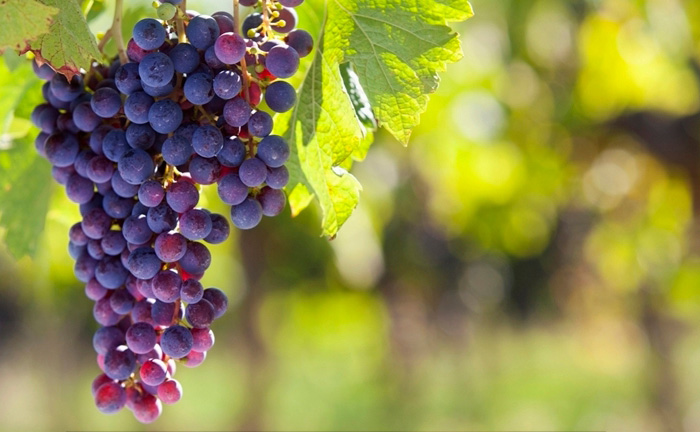
Begin your assessment with the eyes. A jammy Zinfandel typically exhibits a deeply saturated, almost opaque core. Look for hues of dark ruby, purple, or even black at the center, fading to a garnet or magenta rim. This intensity of color is a direct result of high skin-to-juice contact and extremely ripe grapes, which concentrate anthocyanins (color pigments). If the wine appears pale or translucent, it is likely a lighter, more elegant style, not a jammy one.
2. The Aromatic Signature: Cooked and Concentrated Fruit
The nose is the most telling indicator. A jammy Zinfandel does not smell like fresh grapes; it smells like fruit that has been transformed. Key aromatic descriptors include:
- Blackberry and Boysenberry Jam: A sweet, sticky, cooked-fruit aroma, often with a hint of caramelization.
- Dried Figs and Raisins: Signs of extreme ripeness or even slight sun-drying on the vine (a hallmark of “late harvest” or very warm climate Zinfandel).
- Prune or Stewed Plums: A deep, dark fruit character that is soft and decadent rather than tart.
- Sweet Spices: Notes of vanilla, clove, or mocha, often derived from aging in new American oak barrels, which complements the jammy fruit.
If you smell fresh raspberries or cranberries, you are likely dealing with a brighter, less jammy style. The jammy profile is all about concentration and sweetness of aroma.
3. The Palate: Weight, Sweetness, and Tannin
On the palate, a jammy Zinfandel is unmistakable. Pay attention to three key components:
Body and Alcohol
Jammy Zinfandels are almost always full-bodied and high in alcohol (often 15% ABV or higher). The alcohol is not harsh; rather, it feels warm, viscous, and almost sweet on the finish. This “heat” is a byproduct of the high sugar levels in the grapes at harvest.
Perceived Sweetness
While most dry Zinfandels have little to no residual sugar, a jammy wine creates a powerful illusion of sweetness. This comes from incredibly ripe fruit (glycerol) and ripe tannins. The flavor profile often mimics a dessert wine without being cloying. If the wine tastes like blackberry syrup or fruit punch, it is firmly in the jammy category.
Tannin Structure
Despite the fruit-forward nature, jammy Zinfandels can have surprisingly chewy, robust tannins. However, these tannins are typically “sweet” or “ripe” (soft and round), not green or astringent. The structure is there to support the massive fruit, preventing the wine from feeling flabby.
4. Regional and Vintage Indicators
Not all Zinfandels are created equal. The jammy style is most commonly associated with:
- California’s Dry Creek Valley and Lodi: These warm regions are famous for producing powerful, fruit-forward Zinfandels with high sugar accumulation.
- Very Hot Vintages: In any region, a year with extreme heat (e.g., 2017 or 2020 in parts of California) will push grapes toward the jammy spectrum.
- Old Vine Zinfandel: While old vines often produce more concentration, they can also yield a more nuanced, less overtly jammy wine. Young vines in hot climates are more likely to produce simple, jammy fruit bombs.
5. The Final Test: Food Pairing
A jammy Zinfandel is a powerful partner for bold, savory, and slightly sweet dishes. It excels with:
- Barbecue: The sweet, smoky, and spicy notes of ribs or pulled pork harmonize perfectly with the jammy fruit.
- Spicy Cuisine: The wine’s fruit sweetness helps tame chili heat.
- Dark Chocolate: The rich, almost confectionary nature of the wine matches the bitterness of high-cacao chocolate.
If a Zinfandel feels thin or tart when paired with a sweet barbecue sauce, it is not jammy. A true jammy Zinfandel will stand up to and complement such rich flavors.
Conclusion
Identifying a jammy Zinfandel is a sensory exercise in recognizing ripeness, concentration, and power. Look for a dark, opaque color; a nose of cooked black fruits, raisins, and sweet spice; a full-bodied, high-alcohol palate with a soft, sweet-fruit impression; and a wine that demands bold food. When you find one, you are experiencing Zinfandel at its most indulgent and expressive—a true American classic in its most opulent form.
How to Identify a Complex Pinot Noir Pinot Noir, often called the “heartbreak grape,” is a varietal that inspires passion and frustration in equal measure
Posted onWhile it can produce simple, fruity wines, its highest expressions are marvels of complexity, elegance, and nuance. For the wine enthusiast, learning to identify a truly complex Pinot Noir is a rewarding journey into one of the wine world’s most celebrated treasures. This guide will equip you with the knowledge to discern depth and sophistication in your next glass.
Understanding the Foundation:
What Makes Pinot Noir “Complex”?
Complexity in wine refers to a multi-layered sensory experience where aromas, flavors, and textures evolve in the glass and on the palate. A simple Pinot Noir might offer one dominant note, like cherry. A complex one will unfold like a story, revealing a chorus of fruit, earth, spice, and structure. This complexity arises from a combination of terroir (the unique environment where the grapes are grown), winemaking techniques, and bottle age.
A Step-by-Step Guide to Identification
1. Engage Your Senses: The Visual Clue
Begin by observing the wine. Pour it into a clear, stemmed glass against a white background.
* Color: Complex Pinot Noirs often have a translucent, but deep, ruby or garnet hue. They may show a slight brick-orange tinge at the rim if they have some age. While not a definitive marker, a pale, watery color can sometimes indicate a lighter, simpler style.
* Viscosity: Gently swirl the wine and observe the “legs” or “tears” that trickle down the glass. More pronounced legs can suggest a fuller body and higher alcohol content, often associated with riper grapes from a warmer site—a potential component of complexity.
2. The Aromatic Symphony: Decoding the Nose
This is where complexity first announces itself. Swirl the glass again to release the aromas, then take a deep inhale.
* Primary Aromas (Fruit): Look beyond simple red berry. Do you detect a *spectrum*? Think of layered red fruits (raspberry, cranberry, strawberry) mingling with darker ones (black cherry, plum) or even exotic hints of pomegranate or blood orange.
* Secondary Aromas (Winemaking): These are clues from the cellar. Is there a subtle, integrated note of vanilla, toast, or baking spice from oak aging? A complex Pinot uses oak as a seasoning, not a dominant flavor.
* Tertiary Aromas (Development): This is the hallmark of maturity and depth. Seek out earthy, savory, and mineral notes: forest floor (damp leaves, mushrooms), sous-bois (undergrowth), truffle, leather, dried herbs, or a distinct minerality often described as wet stone or crushed rock.
A truly complex Pinot Noir will have these aromatic layers interacting harmoniously, with no single element shouting over the others.
3. The Palate Revelation: Taste and Texture
Take a medium sip, letting the wine coat your entire mouth.
* Flavor Evolution: Does the initial fruit transform mid-palate into something earthy or spicy? The flavor profile should mirror the nose but with added dimensions.
* Acidity: Pinot Noir thrives on vibrant, natural acidity. It should feel fresh and lively, not flat or sharp. This acidity is the backbone that carries the complex flavors and makes the wine feel alive.
* Tannins: Unlike Cabernet Sauvignon, Pinot Noir’s tannins are typically fine-grained and silky. In a complex version, they provide a subtle, structuring grip that supports the wine without being astringent or gritty.
* Body and Texture: Complexity often comes with a sense of weightlessness and intensity. The wine may feel medium-bodied, yet the flavors are concentrated and persistent. Look for a texture that is silky, velvety, or satiny—a sign of careful winemaking and quality fruit.
* Finish: This is the ultimate test. How long do the flavors linger after you swallow? A simple wine’s finish is short and abrupt. A complex Pinot Noir will have a long, evolving finish where the fruit slowly fades to reveal earthy, mineral, or spicy notes that can last 30 seconds or more.
4. Consider the Origin: The *Terroir* Map
While great Pinot Noir is made globally, certain regions are famed for producing wines of profound complexity.
* Burgundy, France: The benchmark. Villages like Gevrey-Chambertin, Vosne-Romanée, Chambolle-Musigny, and Volnay are synonymous with terroir-driven complexity. Look for specific Premier Cru or Grand Cru designations.
* Willamette Valley, Oregon, USA: Known for elegant, earthy Pinots with bright acidity and red fruit character.
* Sonoma Coast & Russian River Valley, California, USA: Produces riper, more opulent styles that can achieve complexity through depth of fruit and cool-climate influences.
* Central Otago, New Zealand: Offers intense, pure-fruited Pinots with remarkable structure and mineral undertones.
* German Spätburgunder: Increasingly celebrated for its elegant, nuanced, and age-worthy expressions.
Key Takeaways for Your Next Tasting
* Seek Evolution, Not Just Fruit: The wine should change from the first sniff to the last sip.
* Embrace the Earth: Savory, non-fruit elements (mushroom, forest floor, mineral) are signs of high quality and development.
* Balance is Paramount: Acidity, fruit, tannin, and alcohol should be in harmony. Nothing should feel out of place or overwhelming.
* Patience Pays: If possible, let the wine breathe in the glass for 15-30 minutes. A complex Pinot will open up and reveal more layers over time.
Identifying a complex Pinot Noir is less about checking boxes and more about engaging in a dialogue with the wine. It is an exploration of place, craft, and time captured in a bottle. With practice, you will not only identify complexity but also develop a deeper appreciation for the subtle, haunting beauty that makes Pinot Noir the ultimate connoisseur’s grape.
How to Identify a Peppery Syrah
Posted onSyrah, also known as Shiraz in some regions, is a bold and complex red wine celebrated for its rich flavors of dark fruit, spice, and often a distinctive peppery note. The peppery characteristic—reminiscent of black or white pepper—is a hallmark of high-quality Syrah, particularly those from cooler climates like France’s Northern Rhône Valley. If you’re a wine enthusiast looking to recognize this signature trait, here’s how to identify a peppery Syrah.
1. Understand the Origins of Peppery Notes
The peppery aroma in Syrah comes from a compound called rotundone, which is found naturally in grape skins. Wines from cooler climates tend to exhibit more pronounced peppery notes due to slower ripening, which preserves these compounds. Regions like the Rhône Valley, Australia’s cooler zones (e.g., Victoria), and parts of California (e.g., Sonoma Coast) often produce peppery Syrahs.
2. Assess the Aroma
Before tasting, swirl the wine in your glass and take a deep sniff. A peppery Syrah will have:
- Black or white pepper – A sharp, spicy scent similar to freshly ground pepper.
- Dark fruit – Notes of blackberry, plum, or blueberry.
- Earthy undertones – Hints of leather, smoked meat, or herbs.
3. Evaluate the Palate
On the palate, a peppery Syrah will deliver:
- Spicy kick – A lingering peppery sensation, often on the finish.
- Balanced acidity – Bright acidity that complements the spice.
- Firm tannins – Structured but not overpowering, supporting the wine’s depth.
4. Consider Food Pairings
Peppery Syrah pairs exceptionally well with dishes that mirror its bold flavors:
- Grilled meats – Lamb, steak, or venison.
- Spiced dishes – Moroccan tagines or peppercorn-crusted beef.
- Aged cheeses – Sharp cheddar or gouda.
5. Compare Different Syrahs
Taste Syrahs from different regions side by side. Cool-climate Syrahs (e.g., Crozes-Hermitage) often showcase more pepper, while warmer regions (e.g., Barossa Valley) emphasize jammy fruit. This comparison will sharpen your ability to detect peppery nuances.
Final Thoughts
Identifying a peppery Syrah involves understanding its origins, carefully assessing its aroma and taste, and experimenting with food pairings. Whether you’re a novice or a seasoned wine lover, recognizing this distinctive trait will deepen your appreciation for one of the wine world’s most intriguing varietals.
Next time you uncork a bottle of Syrah, take a moment to savor its spicy complexity—you might just discover a new favorite.
Featured wine
popular posts
-

— wp:heading {“level”:1} –> Best Zinfandel for Summer Grilling Summer grilling and Zinfandel are a match made in backyard heaven
9-12 2026The grape’s signature bold fruit, generous body, and signature dash of spice stand up to smoky char, sweet-savory marinades, and everything in between. But Read More
-
— wp:heading {“level”:1} –> Syrah Serving Temperature Guide Syrah is one of the most versatile and expressive red grape varieties in the world
9-11 2026Whether you are pouring a bold, peppery Northern Rhône bottling or a fruit-forward New World rendition, the temperature at which you serve it can Read More