


Tag: living
Vegan-friendly Cabernet Sauvignon Options In recent years, the intersection of wine appreciation and plant-based living has moved from niche curiosity to mainstream consideration
Posted onFor those who follow a vegan lifestyle, the question of whether a glass of Cabernet Sauvignon is suitable extends far beyond the grape. While all wines are technically derived from fruit, the winemaking process often introduces animal-derived fining agents that render the final product non-vegan.
This guide explores the world of vegan-friendly Cabernet Sauvignon, offering clarity on production methods, key labels to seek out, and a curated selection of exceptional bottles that align with a cruelty-free ethos—without compromising on depth, structure, or aging potential.
—
Understanding the Vegan Wine Dilemma
The primary concern for vegan wine drinkers lies in the fining process. After fermentation, young wines are often cloudy due to suspended particles—yeast cells, proteins, and tannins. To clarify and stabilize the wine, producers historically used fining agents that bind to these particles and settle them out. Common animal-derived fining agents include:
(a milk protein)
(egg whites)
(fish bladder collagen)
(animal connective tissue)
While these agents are removed through filtration, trace residues can remain, making the wine unsuitable for strict vegans. However, a growing number of wineries now employ vegan-friendly fining alternatives such as bentonite clay, activated charcoal, pea protein, or simply rely on extended settling and cross-flow filtration—methods that require no animal inputs.
—
How to Identify Vegan Cabernet Sauvignon
Navigating the wine aisle requires a discerning eye. Here are the most reliable strategies:
– Trusted certifications include the Vegan Society, Vegan Action, and the “V” label from the American Vegetarian Association. These ensure third-party verification of production methods.
– Many producers publish sustainability and vegan-friendly lists. For example, boutique Napa Valley estates and larger cooperatives often note their fining practices online.
– Platforms like Barnivore allow users to search thousands of wines for vegan status, with community-updated information.
– Specialty retailers and sommeliers are increasingly knowledgeable about vegan options and can point you toward specific vintages.
—
Top Vegan-Friendly Cabernet Sauvignon Picks
The following Cabernet Sauvignons have been verified (as of this writing) to be produced without animal-derived fining agents. They represent a range of price points and regions, proving that vegan choices need not sacrifice quality or character.
1. Bonny Doon Vineyard – Le Pousseur (Central Coast, California)
The winery uses a proprietary vegan fining protocol (bentonite and pea protein) and is transparent about its methods.
Black cherry, cassis, and a hint of graphite. Soft tannins with a savory finish—ideal for everyday drinking.
2. Frey Vineyards – Organic Cabernet Sauvignon (Mendocino, California)
Certified organic and biodynamic; the winery avoids all animal additives, relying on natural settling and filtration.
Ripe plum, blackberry, and a subtle herbal note. Medium body with a smooth, approachable palate.
3. Château Maris – La Touge (Minervois, France)
This estate is certified organic and vegan by the Bureau Veritas; they use no animal products in any stage.
Dark fruit, licorice, and a mineral-driven backbone. Elegant structure with a long, spicy finish.
4. St. Supéry Estate Vineyards & Winery – Napa Valley Cabernet Sauvignon
The winery explicitly states that all their wines are vegan, using plant-based fining agents and cross-flow filtration.
Classic Napa profile—blueberry, dark chocolate, and a hint of toasted oak. Full-bodied with refined tannins.
5. Bodega Norton – Privada Cabernet Sauvignon (Mendoza, Argentina)
Norton uses bentonite and a dedicated vegan filtration line for this premium label.
Intense blackcurrant, tobacco, and a touch of vanilla. Powerful yet balanced, with a velvety mouthfeel.
6. The Vegan Vine – Cabernet Sauvignon (California)
As the name suggests, this brand is exclusively vegan, with certification from the Vegan Society.
Juicy black fruit, mocha, and a hint of spice. Approachable and fruit-forward—an excellent entry point.
—
A Note on Organic and Biodynamic Claims
It is a common misconception that organic or biodynamic wines are automatically vegan. While these farming practices avoid synthetic chemicals and promote ecological balance, they do not inherently prohibit animal-derived fining agents. For instance, some biodynamic preparations (like manure-based composts) are used in the vineyard, but these do not end up in the final wine. Conversely, an organic wine may still be fined with egg whites. Therefore, always verify vegan status separately from organic certification.
—
Pairing Vegan Cabernet Sauvignon with Plant-Based Cuisine
A well-made vegan Cabernet Sauvignon is a versatile companion at the table. Its bold tannins and dark fruit profile pair beautifully with:
with a balsamic reduction
over hearty pasta
seasoned with rosemary and garlic
drizzled with olive oil and sea salt
with a high cocoa percentage
The wine’s structure stands up to umami-rich ingredients, while its acidity cuts through creamy cashew-based sauces.
—
The Future of Vegan Wine
The wine industry is responding to consumer demand with increasing transparency. Major wine regions—from Bordeaux to Napa Valley—are experimenting with alternative fining agents and even “unfined” wines that rely on time and gravity. For the vegan consumer, this means a broader selection than ever before, including age-worthy Cabernet Sauvignons that rival their non-vegan counterparts.
As you explore, remember that vegan wine is not a compromise but a choice—one that reflects mindfulness toward animals, environmental sustainability, and the artistry of winemaking. With the options above, you can confidently raise a glass to both your palate and your principles.
—
*Note: Wine production practices can change. Always verify current vegan status with the producer or a trusted database before purchase.*
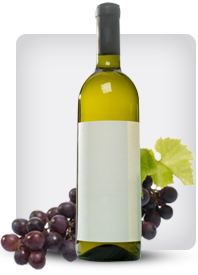
Featured wine
popular posts
-

Zinfandel Wine and Insurance: Protecting Your Collection, Your Business, and Your Liability
10-14 2026When most people think about zinfandel wine, they think of bold, jammy reds, backyard barbecues, and perhaps a glass of white zinfandel that... Read More
-
Red Wine and Insurance: Understanding Coverage, Risks, and Protection for Your Collection
10-14 2026Introduction When most people think about red wine, they imagine cozy evenings, celebratory toasts, or a fine bottle shared among friends. But for... Read More