
Tag: question
Syrah vs Shiraz Explained In the world of wine, few debates generate as much confusion—and passion—as the question of Syrah versus Shiraz
Posted onAre they the same grape? Different wines? A matter of geography or simply a matter of style? The answer, as with most great wines, is nuanced. Let’s break down the facts, the flavors, and the folklore behind these two iconic names.
One Grape, Two Identities
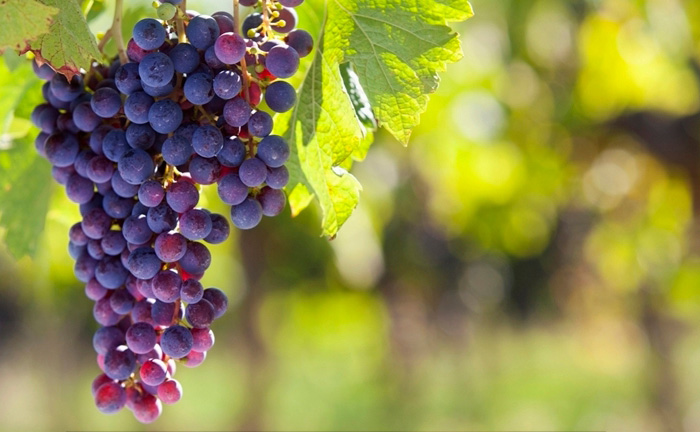
First and foremost, a fundamental truth: Syrah and Shiraz are genetically identical. They are the same grape variety, *Vitis vinifera* ‘Syrah’. There is no difference in the DNA, the vine, or the berry. The distinction lies entirely in where the grapes are grown, how they are vinified, and the cultural traditions that shape the final bottle.
Think of it like an actor who performs in both London and Hollywood. The person is the same, but the accent, the wardrobe, and the director change the performance entirely.
The Old World:
Syrah of the Northern Rhône
When you see “Syrah” on a label, you are almost certainly looking at a wine from the Old World, most famously from France’s Northern Rhône Valley. This is the grape’s ancestral home, where it has been cultivated for centuries in appellations like Côte-Rôtie, Hermitage, and Cornas.
The Style:
Cool to moderate continental climate.
Elegant, savory, and structured. Expect notes of black olive, smoked meat, bacon fat, violets, black pepper, and earthy minerality (often described as “graphite” or “granite”).
Firm, fine-grained, and often require years of aging to soften.
Typically lower (12.5%–13.5% ABV).
Often aged in large, neutral oak (foudre) rather than new barriques, allowing the fruit and terroir to shine.
The Philosophy: Syrah is about place. The wine is a reflection of the soil, the slope, and the vintage. It is a wine of restraint, complexity, and intellectual pleasure.
The New World:
Shiraz of Australia
When you see “Shiraz” on a label, you are most likely looking at a wine from the New World, with Australia being the undisputed king. In the 1830s, cuttings of Syrah were brought to Australia, where they found a dramatically different climate—hot, sunny, and dry.
The Style:
Warm to hot, with abundant sunshine.
Ripe, opulent, and fruit-forward. Expect jammy dark fruits (blackberry, blueberry, plum), chocolate, licorice, and sweet oak (vanilla, coconut, mocha). Often described as “fruit bombs” in the most generous sense.
Ripe, round, and soft, making the wines approachable in their youth.
Higher (14%–15.5%+ ABV).
Commonly aged in new American or French oak barrels, adding layers of sweetness and spice.
The Philosophy: Shiraz is about power and pleasure. It is a wine designed to be bold, generous, and immediately enjoyable, often with a luscious mouthfeel that pairs beautifully with grilled meats.
The Gray Areas and Modern Blending
The lines have blurred significantly in recent decades. Many producers in the New World now label their wines “Syrah” to signal a more restrained, cool-climate style (e.g., from the Adelaide Hills or Margaret River in Australia). Conversely, some Old World producers—particularly in the southern Rhône or Languedoc—may use “Shiraz” for a riper, more international style.
Moreover, both names are used for blends. In the Rhône, Syrah is often blended with Grenache, Mourvèdre, and others. In Australia, Shiraz is famously blended with Cabernet Sauvignon (the classic “GSM” is Grenache, Shiraz, Mourvèdre).
Which Should You Choose?
It’s not a question of “better” but of context:
a Northern Rhône Syrah offers unmatched elegance and earthy complexity.
a rich Australian Shiraz delivers robust, crowd-pleasing warmth.
The Bottom Line
Syrah and Shiraz are two expressions of the same noble grape, shaped by climate, culture, and craft. One whispers of granite slopes and cool breezes; the other roars with sun-drenched fruit and bold oak. Understanding the difference is the key to unlocking a world of wine—one that rewards both the intellectual and the hedonist in equal measure.
So next time you’re at the wine shop, don’t ask which is better. Ask yourself: *What mood am I in?* The answer will guide your hand to the perfect bottle.
Malbec for Barbecue Pairing Ideas When the aroma of grilled meat fills the air, the question of wine pairing becomes essential
Posted onAmong the many red wines available, Malbec stands out as a particularly compelling choice for barbecue. Originating from France but finding its true home in Argentina, Malbec offers a robust profile that complements the smoky, charred, and savory elements of grilled food.
Why Malbec Works with Barbecue
Malbec is characterized by its deep purple color, medium to full body, and flavors of blackberry, plum, cherry, and often hints of cocoa, leather, and tobacco. Its moderate tannins and balanced acidity allow it to stand up to the intensity of barbecue without overwhelming the palate. The wine’s fruit-forward nature also provides a pleasant contrast to the smokiness and spice often found in barbecue rubs and sauces.
Classic Pairings
Grilled Steak
A perfectly grilled ribeye or sirloin steak is a natural companion for Malbec. The wine’s dark fruit flavors enhance the beef’s richness, while its tannins help cut through the fat. For a traditional Argentine experience, pair Malbec with a simple chimichurri-marinated steak.
Smoked Brisket
The long, slow cooking process of brisket creates deep, complex flavors that align beautifully with Malbec. The wine’s earthy undertones and subtle spice notes echo the bark of the brisket, while its fruitiness balances the meat’s savory intensity.
Pork Ribs
Whether dry-rubbed or glazed with a sweet and tangy sauce, pork ribs find a versatile partner in Malbec. The wine’s acidity helps cleanse the palate from the richness of the meat, while its fruit-forward profile complements the sweetness of barbecue sauces.
Unexpected Pairings
Grilled Lamb Chops
Lamb’s distinct, gamey flavor can be challenging to pair, but Malbec handles it with ease. The wine’s dark fruit and subtle herbal notes create a harmonious match, especially when the lamb is seasoned with rosemary and garlic.
Spicy Sausages
For chorizo or other spicy sausages, Malbec’s moderate alcohol and balanced tannins prevent the heat from becoming overwhelming. Instead, the wine’s fruitiness soothes the spice while enhancing the sausage’s savory depth.
Grilled Vegetables
Barbecue isn’t just about meat. Grilled portobello mushrooms, bell peppers, and eggplant develop a smoky sweetness that Malbec complements beautifully. This pairing is especially effective for vegetarians seeking a robust wine experience.
Temperature and Serving Tips
Serve Malbec slightly below room temperature, around 60–65°F (15–18°C). This allows the wine’s fruit and structure to shine without being dulled by excessive chill. Decanting for 30 minutes before serving can also help soften the tannins and open up the aromatics.
Final Thoughts
Malbec’s versatility and bold character make it an excellent choice for barbecue enthusiasts. Whether you’re grilling a simple steak or preparing an elaborate spread, this wine offers a reliable and delicious accompaniment. Experiment with different cuts, seasonings, and cooking methods to discover your own perfect pairing.
Featured wine
popular posts
-

Red Wine and Insurance: Understanding Coverage, Risks, and Protection for Collectors and Enthusiasts
10-17 2026Red wine is more than a beverage—it's an investment, a passion, and for many, a valuable asset. From rare vintage Bordeaux to everyday favorites,... Read More
-
Merlot Wine and Insurance: Understanding Coverage for Your Valuable Collection
10-16 2026Introduction For collectors and enthusiasts, a well-curated wine cellar represents far more than a hobby—it is a significant financial asset. Among... Read More