
Tag: relationship
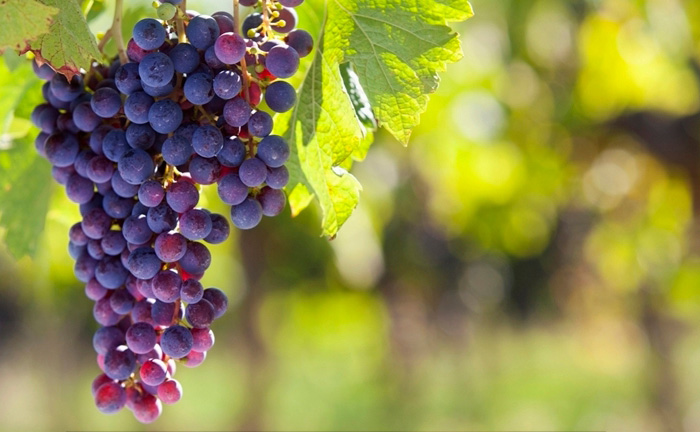
Climate Impact on Malbec Grape Quality Malbec, the iconic red grape synonymous with Argentinean viticulture and a historic pillar of Bordeaux blends, has a distinct relationship with its environment
Posted onWhile soil, vineyard management, and winemaking techniques all play crucial roles, climate is arguably the most decisive factor influencing the ultimate quality, character, and expression of Malbec grapes. Understanding this relationship is key to appreciating the wine in your glass and to the future of Malbec production in a changing global climate.
The Goldilocks Zone:
Malbec’s Climatic Preferences
Malbec is a grape of balance, thriving in what viticulturists call a “continental climate” with marked seasonal shifts. Its ideal conditions include:
* Long, Warm Summers: Malbec requires a lengthy growing season with ample sunshine to achieve full phenolic ripeness—the maturation of both sugars and complex tannins. Heat is necessary to develop its characteristic deep color and robust fruit flavors of blackberry, plum, and black cherry.
* Significant Diurnal Temperature Variation: Perhaps the most critical factor for quality is a large swing between daytime heat and nighttime coolness. Cool nights, especially in the final weeks before harvest, allow the vines to “rest,” slowing respiration and preserving crucial acidity and fresh fruit aromatics. This balance prevents the grapes from becoming overripe, flabby, or jammy.
* A Dry, Sunny Harvest Period: Malbec has relatively thin skins, making it susceptible to rot and fungal diseases. An arid fall with minimal rainfall during harvest is vital to ensure healthy grapes and avoid dilution of flavors.
Terroir in Action:
Mendoza vs. Cahors
The impact of climate is vividly illustrated by comparing the two world capitals of Malbec:
* Mendoza, Argentina: Here, Malbec finds a near-perfect home in the high-altitude deserts of the Andes foothills. Intense solar radiation promotes ripening, while altitudes of 600 to 1,500 meters (2,000–5,000 ft) guarantee dramatically cool nights. The arid climate, with irrigation sourced from mountain snowmelt, eliminates disease pressure. The result is a benchmark style: inky, lush, fruit-forward wines with velvety tannins and vibrant acidity.
* Cahors, France (Malbec’s Origin): In its ancestral home in Southwest France, the climate is more maritime-influenced and variable. Seasons are less predictable, with a higher risk of spring frost and wet harvests. This often results in wines that are more structured, tannic, and earthy in their youth, with darker notes of leather and tobacco, requiring more time in the bottle to soften.
The Climate Change Challenge and Adaptation
A warming global climate presents both risks and opportunities for Malbec growers, forcing a reevaluation of traditional regions and practices.
Risks:
Consistent higher temperatures can lead to grapes accumulating sugar too quickly, before tannins and flavors have fully developed. This results in wines with higher alcohol, lower acidity, and a loss of fresh fruit character, tending towards overripe, cooked, or stewed flavors.
The essential crispness that balances Malbec’s richness is directly threatened by heat.
In regions like Mendoza, where irrigation is carefully managed, increased temperatures and changing precipitation patterns could lead to severe water scarcity.
Increased frequency of hail, intense heatwaves, and unpredictable frosts pose direct threats to vineyard yields and health.
Adaptation and Opportunities:
In Argentina and elsewhere, the most evident strategy is planting at even higher altitudes. For every 100 meters in elevation, the average temperature drops by approximately 0.6°C, helping to restore the vital diurnal shift and preserve acidity.
In the Southern Hemisphere, vineyards are exploring cooler, more southerly regions (like Patagonia in Argentina). In the Northern Hemisphere, sites previously considered marginal for Malbec are gaining attention.
Techniques such as adjusting canopy cover to shade fruit, using drought-resistant rootstocks, and harvesting at night to preserve cool fruit are becoming standard.
Some regions may see a shift in style, embracing a fresher, more medium-bodied expression of Malbec as the classic, ultra-ripe style becomes harder to produce without losing balance.
Conclusion
Climate is the invisible hand that sculpts Malbec’s identity. The delicate interplay between warmth and coolness, sun and dryness, dictates whether the grape expresses itself as a plush, fruit-driven delight or a more austere, mineral-driven wine. As the climate evolves, so too must the viticulture surrounding this noble grape. The future of Malbec quality hinges on the industry’s ability to adapt—seeking cooler niches, innovating in the vineyard, and perhaps redefining its classic style. For the wine lover, this means an ever-more diverse and intriguing landscape of Malbec to explore, each bottle a testament to its place and climate.
Featured wine
popular posts
-

— wp:heading {“level”:1} –> Best Zinfandel for Summer Grilling Summer grilling and Zinfandel are a match made in backyard heaven
9-12 2026The grape’s signature bold fruit, generous body, and signature dash of spice stand up to smoky char, sweet-savory marinades, and everything in between. But Read More
-
— wp:heading {“level”:1} –> Syrah Serving Temperature Guide Syrah is one of the most versatile and expressive red grape varieties in the world
9-11 2026Whether you are pouring a bold, peppery Northern Rhône bottling or a fruit-forward New World rendition, the temperature at which you serve it can Read More