
Tag: Transition
Climate Change Effects on Merlot Grapes: A Vintage in Transition
Posted onIntroduction
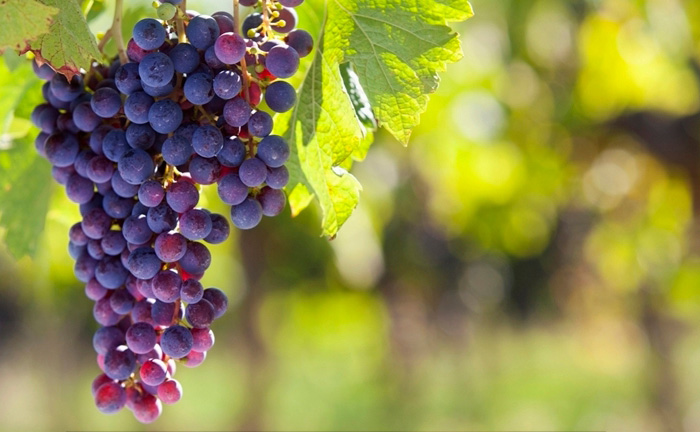
Merlot, one of the world’s most beloved and widely planted red wine grapes, is facing an unprecedented challenge. Known for its soft, plummy character and approachable tannins, Merlot has long been a cornerstone of regions like Bordeaux, California, and Italy. However, the accelerating impacts of climate change are reshaping the very conditions under which this iconic variety thrives, forcing vintners and viticulturists to adapt in real-time.
The Core Challenge:
Heat and Altered Ripening
The primary effect of climate change on Merlot is the steady increase in average temperatures, particularly during the growing season.
* Accelerated Phenology: Warmer springs trigger earlier budbreak, exposing young shoots to a higher risk of late spring frosts. This is followed by earlier flowering and véraison (the onset of ripening), shifting the entire harvest calendar forward—often into the hotter months of August rather than September or October.
* Sugar-Acid Imbalance: The most direct consequence is a disruption in the traditional balance of ripening. Heat accelerates the accumulation of sugars, leading to higher potential alcohol levels. However, the physiological ripening of phenolic compounds (tannins, color, and flavor precursors) and the retention of crucial natural acidity often lag behind. The result can be wines that are overly alcoholic, jammy, and lacking the fresh acidity that provides structure and balance.
* Loss of Signature Profile: The classic Merlot profile of red and black plum, fresh herbal notes, and supple texture is at risk. Extreme heat can bake out nuanced fruit flavors, leading to overripe, raisined characteristics, while also diminishing the grape’s natural vibrant color.
Secondary Impacts:
Water Stress and Extreme Events
Beyond gradual warming, climate change manifests in volatile and destructive ways.
* Drought and Water Scarcity: Increased evaporation and altered precipitation patterns are leading to more frequent and severe drought conditions in many wine regions. Merlot vines, particularly those on shallow soils, are highly susceptible to water stress. While controlled stress can benefit quality, severe drought halts photosynthesis, stunts growth, and can lead to vine collapse and reduced yields.
* Wildfires and Smoke Taint: Prolonged dry periods elevate the risk of catastrophic wildfires. For vineyards, the threat is twofold: direct destruction and, more pervasively, smoke taint. Compounds from smoke can be absorbed by grape skins, leading to undesirable smoky, ashy, or medicinal flavors in the wine—a growing and costly concern for regions like California, Australia, and the Mediterranean.
* Increased Pest and Disease Pressure: Warmer winters allow pests like the glassy-winged sharpshooter (a vector for Pierce’s Disease) to survive and spread into new regions. Altered humidity and rainfall patterns can also change the dynamics of fungal diseases like mildew and botrytis.
Regional Responses and Adaptation Strategies
Viticulturists and winemakers are not passive observers; they are deploying a range of strategies to safeguard Merlot’s future.
* Vineyard Management: Techniques include:
* Canopy Management: Leaving more leaf cover to shade clusters and mitigate sunburn.
* Irrigation Management: Using precise, deficit irrigation to carefully manage water stress.
* Changing Rootstocks and Clones: Selecting drought-tolerant rootstocks and later-ripening Merlot clones better suited to warmer conditions.
* Viticultural Exploration: There is a movement to plant Merlot in cooler, higher-elevation sites or on slopes with different aspects (e.g., south-facing to north-facing) to find more suitable microclimates. This is leading to a geographical shift in some traditional regions.
* Winemaking Adjustments: In the cellar, winemakers may use techniques like:
* Acidification: Carefully adding tartaric acid to rebalance wines.
* Earlier Harvesting: Picking grapes at lower sugar levels to preserve acidity, even if tannins are less ripe.
* Blending: Using a higher proportion of later-ripening, more acid-retentive blending partners like Cabernet Franc or Petit Verdot.
* Long-Term Relocation: In the most extreme scenarios, some regions may become fundamentally unsuitable for quality Merlot production, prompting long-term planning for vineyard relocation—a process measured in decades.
The Future of Merlot
The story of Merlot and climate change is a microcosm of the broader challenge facing global agriculture. While the variety is undoubtedly under pressure, its future is not one of certain decline but of necessary evolution. The classic expressions from Bordeaux’s Right Bank or Napa Valley may become rarer, giving way to new interpretations from emerging, cooler regions.
The resilience of Merlot will depend on continuous innovation, investment, and a willingness to adapt centuries-old traditions. For the wine lover, this may mean discovering Merlot with a new profile—perhaps lighter in alcohol, brighter in acidity, and from vineyards we once considered too marginal. The journey of Merlot is a testament to the profound connection between wine, place, and a changing climate, reminding us that every bottle tells a story not just of a vintage, but of an era.
Featured wine
popular posts
-

— wp:heading {“level”:1} –> Best Zinfandel for Summer Grilling Summer grilling and Zinfandel are a match made in backyard heaven
9-12 2026The grape’s signature bold fruit, generous body, and signature dash of spice stand up to smoky char, sweet-savory marinades, and everything in between. But Read More
-
— wp:heading {“level”:1} –> Syrah Serving Temperature Guide Syrah is one of the most versatile and expressive red grape varieties in the world
9-11 2026Whether you are pouring a bold, peppery Northern Rhône bottling or a fruit-forward New World rendition, the temperature at which you serve it can Read More