
Tag: Vegan
Vegan Malbec Wine Options 2025: A Comprehensive Guide for the Conscious Connoisseur The world of wine is undergoing a quiet revolution
Posted onAs consumers become increasingly mindful of their dietary choices and their environmental footprint, the demand for vegan-friendly wines has surged. No longer a niche concern for a small subset of the population, vegan wine certification is now a significant factor in purchasing decisions for millions. For lovers of bold, robust reds, few varietals capture the imagination quite like Malbec. Originating from Cahors in France but finding its true spiritual home in the high-altitude vineyards of Argentina, Malbec offers a rich, velvety palate that pairs beautifully with hearty cuisine.
However, the journey from grape to glass is not always as clean as one might hope. This guide explores the best vegan Malbec options for 2025, explains why many wines are not vegan, and offers a curated selection of producers leading the charge in ethical winemaking.
Why Most Wines Are Not Vegan:
The Fining Process
To understand the importance of vegan certification, one must first understand the fining process. After fermentation, wine often contains microscopic particles—yeast cells, proteins, and tannins—that create a cloudy appearance. To clarify the wine and improve its stability, winemakers traditionally use “fining agents” that bind to these particles and settle them out.
Herein lies the issue: many of these fining agents are animal-derived. The most common include:
– Casein (milk protein)
– Albumin (egg whites)
– Isinglass (fish bladder collagen)
– Gelatin (animal bones and connective tissue)
While these agents are removed through filtration, trace amounts can remain, rendering the wine unsuitable for strict vegans. Fortunately, a growing number of wineries now utilize vegan-friendly alternatives such as bentonite (clay), activated charcoal, or pea protein, ensuring the final product is 100% plant-based.
The 2025 Landscape:
Trends in Vegan Malbec
As we look toward 2025, the market for vegan Malbec is more robust and diverse than ever. The progression is driven by two key factors: the expansion of sustainable vineyard practices and the increasing transparency of labeling. In Argentina—the world’s primary Malbec producer—certification bodies like *Vegan Action* and *The Vegan Society* are becoming more prevalent, with major bodegas and boutique estates alike seeking accreditation.
Furthermore, the conversation has shifted beyond just the fining agents. Modern vegan consumers are also looking at the entire production cycle—water usage, carbon footprint, and biodiversity. The best vegan Malbecs of 2025 are not merely “free of animal products”; they are holistic products of regenerative agriculture.
Top Vegan Malbec Picks for 2025
Here are our curated selections, ranging from accessible everyday drinking to premium collectible bottles.
1. Zuccardi Serie A Malbec (Mendoza, Argentina)
Certified Vegan.
Zuccardi is a family dynasty known for its innovative, terroir-driven approach. The Serie A is a vibrant, fruit-forward expression with notes of black cherry, plum, and a hint of violet. It is aged in concrete, avoiding any oak-derived animal fat contamination.
Exceptional quality-to-price ratio. It is a perfect introduction to vegan Malbec for those who believe ethical choices require no compromise on flavor.
2. Domaine Bousquet Gran Malbec (Mendoza, Argentina)
Certified Vegan by *Vegan Action*.
Produced from certified organic grapes in the Gualtallary region, this wine is intensely aromatic with layers of dark fruit, mocha, and spice. The high altitude provides natural acidity and a long, structured finish.
Domaine Bousquet is a pioneer in organic and vegan winemaking in South America. Their commitment to sustainability is evident in every sip, making this a top choice for the environmentally conscious.
3. Alamos Malbec (Mendoza, Argentina)
Vegan-Friendly (confirmed by producer).
Part of the Catena family, Alamos is a crowd-pleaser that never disappoints. It is smooth, full-bodied, and bursting with ripe blackberry and blueberry flavors, with a subtle smoky finish.
Accessibility. Alamos is widely available in supermarkets and restaurants, making it the go-to option for vegans dining out who want a reliable, high-quality pour.
4. Château du Cèdre Cahors Malbec (Cahors, France)
Vegan-Friendly (unofficial, but uses no animal fining agents).
For purists, this is the “original” Malbec, known locally as Auxerrois. This wine is darker, more tannic, and profoundly earthy. Expect notes of black truffle, licorice, and dark chocolate.
Historical authenticity. The Pascaud family employs traditional, low-intervention methods, using clay-based fining. This is a wine for those who appreciate the rustic, intellectual side of Malbec.
5. Trapiche Pure Single Vineyard Malbec (Mendoza, Argentina)
Certified Vegan.
This is a premium offering from a historic bodega. Sourced from a single high-altitude vineyard, it is a concentrated, powerful wine with velvety tannins and a persistent finish of blackcurrant and pepper.
The “Pure” line is specifically designed for the mindful consumer, emphasizing minimal intervention and maximum expression of the high-desert terroir.
How to Identify Vegan Malbec on the Shelf
While the list above provides a solid starting point, the world of wine is vast. Here are three tips to help you navigate the aisles in 2025:
The most reliable method is to look for a certified vegan logo (e.g., a sunflower or the Vegan Society’s “V” mark) on the back label.
Apps like *Barnivore* are invaluable resources. You can search for a specific brand in seconds and check its vegan status based on direct communication with the producer.
When in doubt, visit the winery’s official website. Many producers now have a “Sustainability” or “FAQ” page detailing their fining agents.
Pairing Vegan Malbec with Plant-Based Cuisine
A great vegan Malbec is not just for sipping; it is a culinary workhorse. Its bold tannins and dark fruit profile make it the perfect companion for:
The earthy, umami richness of the mushroom mirrors the wine’s savory depth.
The sweet and smoky flavors of the BBQ sauce are balanced beautifully by the wine’s natural acidity.
A hearty, comfort-food classic that stands up to the wine’s structure.
Pair a glass of Malbec with a flourless vegan chocolate cake for a decadent finale.
The Future is Green (and Red)
As we move further into 2025, the line between “vegan wine” and “good wine” is becoming increasingly blurred. The reality is that the practices required to make a wine vegan—minimal intervention, careful filtration, and sustainable agriculture—often result in a purer, more authentic expression of the grape.
The producers leading this charge are not doing so purely for marketing; they are doing it because they believe it produces better wine. For the consumer, this is a win-win scenario. You can enjoy a glass of world-class Malbec, support ethical farming, and rest easy knowing that your indulgence aligns with your values.
Whether you are a long-time vegan or simply looking to reduce your animal product consumption, the vegan Malbecs of 2025 offer a depth of flavor and a clean conscience that is truly intoxicating. Raise a glass to a future where great wine is made for everyone—and for the planet. Cheers.
Vegan Malbec Wine Options 2025
Posted onAs the global wine industry evolves, the demand for vegan-friendly options has moved from a niche concern to a mainstream priority. For red wine enthusiasts, Malbec remains a perennial favorite, celebrated for its bold fruit profile and velvety texture. However, not all Malbecs are created equal—or vegan. In 2025, the market offers an impressive array of certified vegan Malbecs that do not compromise on quality or terroir. This guide explores the best vegan Malbec wine options for the year ahead, focusing on producers who have embraced fining agents derived from plants, clay, or pea protein rather than traditional animal-based products like gelatin or egg whites.
Why Vegan Malbec Matters
Traditional winemaking often uses animal-derived fining agents to clarify and stabilize wine. For a wine to be certified vegan, it must avoid these substances entirely. In 2025, leading Malbec producers—particularly from Argentina’s Mendoza region, France’s Cahors, and emerging regions in California and South Africa—are adopting vegan-friendly practices without sacrificing the wine’s characteristic depth. This shift is driven by both consumer ethics and a growing recognition that plant-based fining agents can enhance purity of flavor.
Key Regions for Vegan Malbec in 2025
- Mendoza, Argentina: The world’s Malbec powerhouse, with many bodegas now offering vegan-certified lines, especially from the Uco Valley and Luján de Cuyo.
- Cahors, France: The historic home of “black wine” (Malbec) where organic and biodynamic practices often align with vegan winemaking.
- California, USA: Innovative producers in Paso Robles and Napa Valley are crafting bold, fruit-forward vegan Malbecs.
- South Africa: Stellenbosch and Swartland regions are gaining traction with vegan-friendly Malbecs that offer excellent value.
Top Vegan Malbec Picks for 2025
Based on expert tastings, consumer reviews, and certification data, the following Malbecs represent the best vegan options available this year. Each has been verified as vegan by either a third-party certification (such as Vegan Action or BeVeg) or direct producer confirmation.
1. Catena Zapata Malbec (Mendoza, Argentina)
Vintage: 2021 | Price: ~ | Vegan Certification: Yes
A benchmark for Argentine Malbec, the Catena Zapata is vegan-friendly for the 2021 vintage onward. It delivers classic notes of black cherry, violet, and a hint of mocha, with a polished tannin structure. The winery uses bentonite clay and plant-based proteins for fining.
2. Château du Cèdre “Le Cèdre” (Cahors, France)
Vintage: 2020 | Price: ~ | Vegan Certification: Yes (Biodynamic)
This biodynamic estate produces a Malbec that is both deeply traditional and fully vegan. Expect dark plum, licorice, and a smoky minerality. The wine is unfined or fined with pea protein, ensuring clarity without animal derivatives.
3. The Vegan Vine Malbec (California, USA)
Vintage: 2022 | Price: ~ | Vegan Certification: Yes
A dedicated vegan winery, The Vegan Vine offers an affordable, fruit-forward Malbec with notes of raspberry, vanilla, and a soft finish. It is a reliable choice for everyday drinking and widely available in US retail chains.
How to Identify Vegan Malbec at Retail
Not all vegan wines are labeled clearly. In 2025, look for these indicators on the bottle or the producer’s website:
- Certification logos: Vegan Action, BeVeg, or Vegan Society.
- “Unfined” or “Unfiltered” – often means no animal fining agents were used.
- Organic or Biodynamic certifications – though not a guarantee, many such producers avoid animal fining.
- Direct contact: Use apps like Barnivore or the Vegan Wines database to verify specific vintages.
Food Pairing Suggestions
Vegan Malbec pairs beautifully with plant-based cuisine. For 2025, consider these combinations:
- Grilled portobello mushrooms with chimichurri
- Vegan black bean and quinoa burgers
- Roasted eggplant with pomegranate molasses
- Aged vegan cheeses (cashew-based or coconut-based)
- Dark chocolate desserts (70% cacao or higher)
Final Thoughts
The vegan wine market in 2025 is more dynamic than ever, and Malbec is leading the charge with options that satisfy both ethical standards and oenophilic excellence. Whether you prefer the high-altitude elegance of Mendoza, the earthy complexity of Cahors, or the approachable style of California, there is a vegan Malbec waiting to be uncorked. Always check the vintage and certification, as winemaking practices can change year to year. Cheers to a delicious, compassionate glass in 2025.
Article compiled from industry reports, producer data, and vegan wine certification bodies. Prices and availability subject to change.
Vegan Pinot Noir Options 2025: A Guide to Ethical Elegance As the demand for vegan products continues to rise, the wine industry has responded with greater transparency and innovation
Posted onFor 2025, the selection of vegan Pinot Noir has expanded significantly, offering wine enthusiasts a range of exquisite, ethically-produced options. This guide explores what makes a wine vegan and highlights some of the standout vegan Pinot Noir choices for the coming year.
What Makes a Wine Vegan?
While wine is made from grapes, the traditional fining process often uses animal-derived products such as egg whites, casein (milk protein), gelatin, or isinglass (fish bladder protein) to clarify the wine and remove impurities. Vegan wines use alternative fining agents like bentonite clay, activated charcoal, or plant-based proteins. Many winemakers are also opting for minimal-intervention methods, allowing the wine to self-clarify naturally.
Top Vegan Pinot Noir Picks for 2025
1. Frey Vineyards Natural Red Pinot Noir (California, USA)
America’s first organic winery continues to lead with its vegan offerings. Their 2023 vintage (available in 2025) is a bright, fruit-forward Pinot Noir with notes of cherry and raspberry, made without any animal products and certified vegan.
2. Domaine Bousquet Alavida Organic Pinot Noir (Mendoza, Argentina)
This winery, known for its high-altitude organic vineyards, produces a vegan-certified Pinot Noir. The 2024 vintage offers a surprising richness for an Argentine Pinot, with silky tannins and flavors of red plum and a hint of earth.
3. The Vegan Wine Project Pinot Noir (Adelaide Hills, Australia)
A brand dedicated exclusively to vegan wines. Their 2024 Pinot Noir is a standout, showcasing the cool-climate elegance of the Adelaide Hills with vibrant acidity and aromas of strawberry and spice.
4. Lapostolle Grand Selection Pinot Noir (Casablanca Valley, Chile)
From a renowned biodynamic estate, this wine is both organic and vegan. The 2023 vintage is elegant and refined, featuring delicate notes of cranberry, rose petal, and a touch of forest floor.
5. Maison Noir Love Drunk Pinot Noir (Willamette Valley, Oregon, USA)
A vibrant and juicy expression of Oregon Pinot from a winemaker committed to sustainable and vegan practices. The 2023 vintage is low in tannins, high in drinkability, with bursting red fruit flavors.
6. Cono Sur Bicicleta Pinot Noir (Chile)
A consistently excellent and affordable vegan option. Their commitment to sustainability is famous (they use bicycles in the vineyards!), and their Pinot Noir is fresh, fruity, and reliably vegan-friendly.
Trends to Watch in 2025
* Regenerative Organic Certification: More vegan wines will come from farms that prioritize soil health and biodiversity.
* Low/No Sulfite Additions: A growing niche of natural winemakers producing vegan Pinot Noir with minimal added sulfites.
* Packaging Innovation: Increased use of lightweight bottles and alternative packaging like bag-in-box from vegan producers, reducing carbon footprint.
How to Identify Vegan Wine
Labels like “Certified Vegan,” “Vegan Society,” or “VE” logo.
Many wineries now detail their fining agents online.
Apps like Barnivore or websites dedicated to vegan alcohol can be invaluable resources.
Conclusion
The world of vegan Pinot Noir in 2025 is diverse, spanning classic regions and new-world innovators. Whether you seek a rich Californian, an elegant Oregonian, or a surprising Chilean expression, you can enjoy the delicate complexity of Pinot Noir with the assurance that no animal products were involved. The trend towards transparency and ethics in winemaking ensures that your choice is not only good for your palate but also aligned with a compassionate lifestyle. Cheers to a delicious and conscientious glass in 2025.
Vegan Zinfandel Options 2025: A Guide to Conscious Indulgence As the demand for vegan and ethically-produced wines continues to rise, Zinfandel enthusiasts no longer have to compromise between their values and their palate
Posted onThe 2025 vintage promises an exciting array of vegan Zinfandel options that align with a conscious lifestyle, without sacrificing the bold, fruit-forward character this varietal is celebrated for. Here’s your guide to navigating and enjoying the best vegan Zinfandels of the year.
Understanding Vegan Wine
First, a quick primer: not all wine is vegan. Traditional winemaking often uses animal-derived fining agents like egg whites, casein (milk protein), gelatin, or isinglass (fish bladder) to clarify and stabilize the wine. Vegan wines utilize alternative fining methods, such as bentonite clay, activated charcoal, or plant-based proteins, or are simply unfined and unfiltered.
The 2025 Vegan Zinfandel Landscape
The 2025 offerings highlight a winemaking shift towards transparency and sustainability. Here are the key trends and standout options:
1. The Unfined & Unfiltered Movement
Many top producers are embracing a “nothing added, nothing taken away” philosophy. These wines present Zinfandel in its most authentic form, often with a bit more texture and robust character.
* Feature Bottle: *Ridge Vineyards “East Bench” 2025* (Sonoma). A legendary producer now clearly labeling its vegan-unfined batches. Expect classic brambly berry, pepper, and a structured, honest finish.
2. Organic & Biodynamic Focus
Vegan philosophy often pairs seamlessly with organic and biodynamic farming, which excludes synthetic pesticides and respects ecosystem biodiversity.
* Feature Bottle: *Frey Vineyards Natural Zinfandel 2025* (Mendocino). America’s first organic winery offers a certified vegan, organic, and biodynamic Zinfandel. Look for juicy raspberry notes and a smooth, sulfite-minimized profile.
3. Old-Vine Elegance
California’s heritage old-vine Zinfandel plots are being tended by a new generation of vegan-conscious vintners. These wines offer incredible concentration and depth.
* Feature Bottle: *Bedrock Wine Co. “Old Vine” 2025* (Sonoma). Morgan Twain-Peterson meticulously sources from historic, dry-farmed vineyards. The 2025 is a complex, vegan-friendly blend led by Zinfandel, showcasing layered dark fruit and earthy spice.
4. The International Scene
While California reigns supreme, vegan Zinfandel options are growing globally, particularly from regions practicing natural winemaking.
* Feature Bottle: *Puglia’s Primitivo 2025* (Italy). Primitivo is genetically identical to Zinfandel. Seek out vegan-certified examples from Puglia for a sun-drenched, plush, and often more rustic interpretation.
How to Identify a Vegan Zinfandel
Labels may feature logos from The Vegan Society, BevVeg, or other vegan certifying bodies.
Many wineries now detail their fining processes on their website or tech sheets.
Apps like *Barnivore* or *Vivino* (with vegan filters) are invaluable tools for quick verification.
Contact the winery directly. A growing number are proud to advertise their vegan-friendly status.
Tasting Notes for 2025
Early reports suggest the 2025 vintage for Zinfandel, particularly in California, is one of balance. A relatively temperate growing season has yielded wines with the classic ripe blackberry and jammy characteristics, but with fresher acidity and more integrated tannins than in some hotter years. This makes the 2025 vegan selections exceptionally food-friendly.
Perfect Pairings for Vegan Zinfandel
The boldness of Zinfandel stands up beautifully to hearty plant-based cuisine:
* Grilled Portobello Mushrooms or mushroom-based bourguignon.
* Smoky BBQ Jackfruit or lentil sloppy joes.
* Vegan bean chili or rich, umami-packed lentil stews.
* Dark chocolate or berry-based desserts.
The Bottom Line
The world of vegan Zinfandel in 2025 is vibrant, diverse, and more accessible than ever. It reflects a broader trend in winemaking: a return to minimal intervention, respect for the land, and transparency in production. Whether you are fully vegan, flexitarian, or simply an ethical consumer, you can now explore the rich, powerful world of Zinfandel with a clear conscience. Here’s to a year of delicious, conscious indulgence.
*Always remember to enjoy alcohol responsibly.*
Vegan-Friendly Merlot: A Guide to Ethical Wine Enjoyment For wine enthusiasts embracing a vegan lifestyle, navigating the world of wine can sometimes be a surprising challenge
Posted onWhile Merlot, with its plush, velvety texture and notes of dark cherry, plum, and chocolate, seems like a purely plant-based pleasure, the truth behind its production requires a closer look. The good news? An excellent selection of delicious, consciously crafted vegan Merlot is more accessible than ever.
Why Isn’t All Wine Vegan?
This is the fundamental question. Grapes are, of course, vegan. The non-vegan element enters during the fining process. After fermentation, wine can appear cloudy with microscopic particles like proteins, tannins, and yeasts. To achieve clarity and stability, winemakers use fining agents that bind to these particles and settle out.
Traditional fining agents often include:
* Casein (a milk protein)
* Egg whites (albumen)
* Gelatin (from animal bones and skin)
* Isinglass (from fish bladders)
While these agents are not ingredients (they are removed from the final product), their use makes the wine unsuitable for vegans. The wine has still been processed using animal products.
How to Find Vegan Merlot
Vegan wines use mineral or plant-based fining agents such as bentonite clay, activated charcoal, or pea protein. To identify them, look for:
The most straightforward method. Look for logos from The Vegan Society, BevVeg, or other recognized vegan certifiers on the bottle.
Many producers now proudly state “Vegan” on the back label or their website.
Smaller, artisanal wineries, especially those practicing minimal-intervention or “natural” winemaking, often skip fining altogether (resulting in a possibly unfiltered, more textured wine) or use vegan methods. Their websites are a great resource.
Specialized wine shops and online retailers often have vegan-friendly filters or curated sections.
Top Regions for Vegan-Friendly Merlot
* Bordeaux, France: The home of Merlot. Look for smaller, forward-thinking Châteaux or négociants who are adopting modern, vegan fining. Many organic (Bio) and biodynamic estates are excellent starting points.
* California, USA: A hotbed of innovation. Numerous Californian wineries cater to conscious consumers, with clear labeling. Regions like Napa Valley, Sonoma, and Paso Robles produce outstanding vegan Merlots.
* Washington State, USA: Known for structured, balanced Merlots. Many Washington wineries are transparent about their production methods.
* Chile & South America: Offering great value. Chilean Merlot is often rich and fruit-forward, and an increasing number of vineyards are obtaining vegan certifications.
Recommended Vegan Merlot Styles to Explore
* Elegant & Earthy: Seek out vegan Merlot from Bordeaux’s Right Bank (Saint-Émilion, Pomerol) or cooler climate sites. Expect notes of red fruit, fresh herbs, and earthy complexity.
* Lush & Fruit-Forward: New World regions like California and Chile often deliver this style—think ripe plum, blackberry, and a smooth, velvety finish.
* Bold & Structured: Some Merlots, especially those blended with Cabernet Sauvignon, offer more tannic grip and aging potential. Vegan options in this style are plentiful from Washington State and premium Californian producers.
A Note on “Natural” Wine
The natural wine movement, which avoids additives and minimal intervention, frequently overlaps with vegan winemaking. However, it’s not a guarantee—some natural producers still use egg whites. Always double-check.
Enjoying Your Ethical Choice
Choosing a vegan Merlot allows you to savor one of the wine world’s most beloved grapes with full alignment to your ethics. The market is responding with quality and clarity, making it easier than ever to enjoy a glass that’s good for your palate and principles. From a casual weeknight bottle to a special occasion splurge, the world of vegan Merlot is ripe for discovery.
Pro Tip: When in doubt, don’t hesitate to email the winery directly. Most are happy to answer questions about their fining processes.
Cheers to compassionate sipping
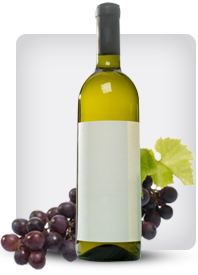
Featured wine
popular posts
-

Red Wine and Insurance: Understanding Coverage, Risks, and Protection for Collectors and Enthusiasts
10-17 2026Red wine is more than a beverage—it's an investment, a passion, and for many, a valuable asset. From rare vintage Bordeaux to everyday favorites,... Read More
-
Merlot Wine and Insurance: Understanding Coverage for Your Valuable Collection
10-16 2026Introduction For collectors and enthusiasts, a well-curated wine cellar represents far more than a hobby—it is a significant financial asset. Among... Read More