
Tag: written
re is a professional English article written in a clear, journalistic style suitable for a wine industry publication or blog
Posted on—
Title: How Climate Change Affects Cabernet Sauvignon
By [Your Name/Publication]
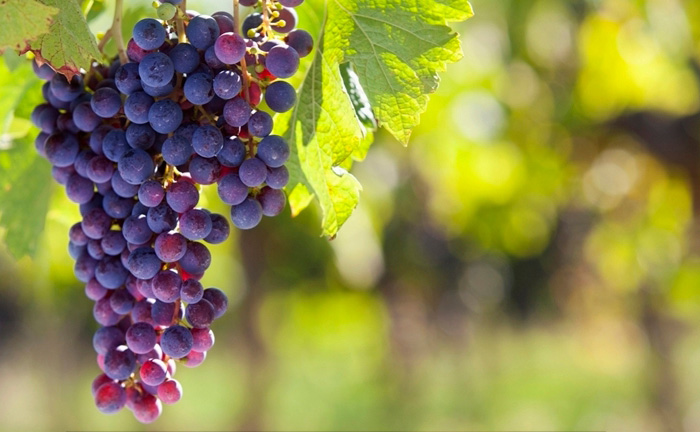
Cabernet Sauvignon, the world’s most widely planted and revered red wine grape, is a paradox. It is lauded for its thick skin, late ripening, and remarkable adaptability, traits that have allowed it to thrive from the gravelly soils of Bordeaux to the sun-drenched hills of Napa Valley. However, the accelerating effects of climate change are now testing the limits of this resilient varietal, fundamentally altering its character, its geography, and the economics of its production.
The relationship between Cabernet Sauvignon and heat is a delicate balancing act. The grape requires a long, warm growing season to fully develop its signature dark fruit flavors—blackcurrant, black cherry, and plum—while retaining the acidity and structural tannins necessary for aging. Climate change is tipping this balance, pushing many classic regions into a state of “over-ripeness.”
The Sugar-Alcohol Spiral
The most immediate and measurable impact is the rise in sugar accumulation. As average temperatures increase, photosynthesis accelerates, driving up sugar levels in the berries before phenolic ripeness (the development of desirable tannins and color) is achieved. Winemakers face a difficult choice: harvest early to preserve acidity, resulting in green, unripe tannins, or wait for flavor maturity and risk producing wines with potentially high alcohol levels (often exceeding 15-16% ABV) and a “jammy,” stewed fruit character that masks the grape’s classic elegance.
In regions like Bordeaux, where the growing season is now consistently hotter than in the past, the traditional challenge of achieving full ripeness has shifted to a struggle against excessive ripeness. This has led to a stylistic shift, with some producers picking earlier or employing techniques like reverse osmosis to manage alcohol, while others embrace a more powerful, international style that critics argue lacks the finesse of previous vintages.
Tannin and Acid Disruption
High temperatures do not just affect sugar. They also degrade the acids (tartaric and malic) that give Cabernet Sauvignon its structure and freshness. A wine with low acidity feels flat and flabby on the palate, lacking the “backbone” necessary to pair with food or age gracefully. Simultaneously, extreme heat can “cook” the seeds and skins, extracting harsh, bitter tannins rather than the fine-grained, ripe tannins that define a great Cabernet. The result is a wine that may be powerful but lacks harmony and balance.
The Great Geographical Shift
Climate change is redrawing the world’s viticultural map. Historically marginal regions for Cabernet Sauvignon are now becoming viable, while established havens face existential threats.
Cool-climate regions like the Okanagan Valley in Canada, the Willamette Valley in Oregon (historically better suited for Pinot Noir), and parts of England are now successfully producing high-quality, balanced Cabernet Sauvignon. These areas benefit from cooler nights that preserve acidity, mimicking the classic structure of a pre-warming Bordeaux.
Conversely, some of the world’s most iconic regions are reaching their thermal limits. Parts of Napa Valley, Australia’s Barossa Valley, and Spain’s La Mancha are facing more frequent and intense heatwaves. During the 2020 Glass Fire and the 2021 heat dome in the Pacific Northwest, entire vintages were compromised, with grapes shriveling on the vine. For these regions, the question is no longer *if* the climate will change, but *how* to adapt.
Adaptation: The Winemaker’s Arsenal
Producers are not passive victims. They are deploying a sophisticated array of strategies to combat the effects of warming:
Canopy management is critical. Leaving more leaves to shade the fruit can lower berry temperature by several degrees. Trellising systems are being modified to increase airflow and reduce sun exposure.
Nurseries are developing heat- and drought-resistant rootstocks. Furthermore, winemakers are selecting specific clones of Cabernet Sauvignon that ripen later or retain acidity better under heat stress.
In regions facing drought, precision irrigation using soil moisture sensors is now standard. Some growers are experimenting with deficit irrigation strategies, purposely stressing the vine to concentrate flavors while slowing sugar accumulation.
The most valuable real estate in the world is shifting to higher altitudes, coastal slopes with cooling fog, or north-facing hillsides (in the Northern Hemisphere) that receive less direct afternoon sun.
The Future of a Classic
The Cabernet Sauvignon of 2050 will likely be different from the one we know today. It may come from new regions, be lower in alcohol, and possess a different flavor profile—perhaps more savory and structured, less overtly fruity. The classic Bordeaux blend may include a higher percentage of heat-tolerant grapes like Petit Verdot or Marselan.
While the grape’s inherent plasticity gives it a fighting chance, the high cost of adaptation will likely lead to a stratification of the market. Entry-level Cabernet from warm, flat plains may become simple and overripe. The finest examples, however, will come from a precious few “climate refugia”—cool, high-altitude or coastal sites where the delicate balance of sun, heat, and cool nights can still be achieved.
Ultimately, climate change is forcing the wine world to re-evaluate its very definition of quality for Cabernet Sauvignon. The question is not whether the grape will survive, but whether the wines that survive will still be recognizable as the elegant, age-worthy icons we have come to love.
re is a professional English article tailored to the topic “Aging potential of premium Syrah,” written in a formal, wine-industry style
Posted on—
Title: Aging Potential of Premium Syrah
Introduction
In the pantheon of noble red wine varieties, Syrah often occupies a paradoxical position. While it is globally recognized for producing approachable, fruit-forward wines in regions like Australia (where it is known as Shiraz), the variety’s true potential for long-term cellaring is most profoundly realized in its classic European expressions and certain New World cult bottlings. The aging potential of premium Syrah is not merely a function of time; it is a complex interplay of viticultural rigor, phenolic maturity, and structural integrity.
The Structural Framework: Tannin and Acidity
The foundation of any age-worthy wine lies in its structure. Premium Syrah, particularly from cool-climate appellations such as the Northern Rhône (Côte-Rôtie, Hermitage, Cornas) or high-altitude sites in California and South Africa, possesses a unique tannin profile. Unlike the soft, granular tannins of Pinot Noir or the robust, drying tannins of young Cabernet Sauvignon, Syrah’s tannins are often described as “silty” or “grippy.”
These tannins are derived from the thick skins of the Syrah berry and, critically, from the inclusion of whole clusters during fermentation in many traditional winemaking practices. Over time—typically 10 to 20 years for top examples—these phenolic compounds polymerize. The aggressive grip of youth softens into a velvety texture, creating a mouthfeel that is both powerful and refined. Concurrently, the wine’s natural acidity, which can be surprisingly high in cooler vintages, acts as a preservative, maintaining freshness and preventing the wine from tasting flat or stewed.
The Evolution of Aroma and Flavor
A young premium Syrah is a kaleidoscope of primary fruit: blackberry, blueberry, cassis, and often a distinct note of cracked black pepper (rotundone). As it ages, this fruit spectrum undergoes a dramatic transformation. The primary fruit recedes, yielding to a complex suite of secondary and tertiary aromas.
After five to ten years, notes of violet, lavender, and garrigue (the herbaceous scrubland of Southern France) often emerge. With further cellaring—fifteen years and beyond—the wine develops profound savory characteristics: leather, truffle, smoked meat, bacon fat, and a distinct minerality often described as “ferrous” or “blood-like.” This savory evolution is the hallmark of a properly aged Syrah, distinguishing it from the confected sweetness of overripe, young examples.
Terroir and Winemaking: The Decisive Factors
Not all Syrah is created equal for long-term aging. The key differentiators are terroir and winemaking philosophy.
Granite-based soils, particularly those of the Northern Rhône, are legendary for producing Syrah with extraordinary longevity. Granite provides excellent drainage and heat retention, forcing the vine to struggle, which concentrates flavors and promotes thicker skins. Conversely, Syrah grown on fertile, alluvial plains often produces wines that are lush and enjoyable young but lack the structural tension to evolve gracefully over decades.
The use of whole-bunch fermentation (including stems) adds additional tannin and complexity, often extending the wine’s life. The choice of oak is also critical. Over-reliance on new, heavily toasted oak can mask the purity of the fruit and overwhelm the wine’s natural elegance. The finest age-worthy Syrah uses oak as a subtle seasoning, not a dominant flavor.
Conclusion
The aging potential of premium Syrah is a testament to the variety’s duality: it can be both a generous, immediate pleasure and a patient, intellectual investment. For the collector, a case of 2019 Hermitage or a single-vineyard Syrah from California’s Santa Barbara Highlands is not merely a purchase; it is a commitment to a two-decade journey of discovery. When allowed to mature, premium Syrah transcends its varietal definition, offering a sensory experience that is as much about history and place as it is about the grape itself. For those patient enough to wait, the reward is a wine of profound complexity, balance, and soul.
—
re is a professional article written in English, structured with WordPress block editor syntax (using HTML comments for blocks) and outputting pure HTML without markdown
Posted onPinot Noir Blends with Gamay: A Sommelier’s Guide to a Perfect Union
In the world of fine wine, few grape varieties command the respect and devotion of Pinot Noir. Its ethereal perfume, delicate structure, and profound ability to reflect its terroir make it a benchmark for elegance. Yet, even the most celebrated Burgundian producer occasionally seeks a partner to add a touch of vibrancy and fruit-forward charm. Enter Gamay, the often-underestimated star of Beaujolais. The blend of Pinot Noir and Gamay is not merely a practical winemaking decision; it is a masterclass in balance, producing wines that are greater than the sum of their parts.
The Philosophical Case for the Blend
Historically, in Burgundy, blending these two grapes was once a matter of necessity or local tradition, particularly in the appellations of Bourgogne Passe-tout-grains. This appellation legally requires a minimum of one-third Pinot Noir (or Chardonnay for whites) and a maximum of two-thirds Gamay. However, the modern sommelier sees this blend not as a compromise, but as a deliberate act of curation. Pinot Noir provides the backbone: the fine-grained tannins, the savory complexity of forest floor and dried cherry, and the linear acidity that gives a wine its spine. Gamay contributes the flesh: the explosive juiciness of crushed raspberries, the floral lift of violets, and a playful, approachable texture that makes the wine dangerously drinkable in its youth.
Terroir and Technique: Making the Magic Happen
The success of a Pinot Noir-Gamay blend hinges on the winemaker’s understanding of each variety’s needs. While both thrive in cooler climates, Gamay is generally more vigorous and ripens earlier. To achieve synergy, the fruit is often sourced from complementary vineyards. For instance, a Pinot Noir from a limestone-rich slope (offering minerality and structure) might be blended with a Gamay from deeper, clay-based soils (yielding fruit intensity and roundness).
Winemaking techniques also differ. Pinot Noir typically benefits from a percentage of whole-cluster fermentation to add stemmy spice and tannic grip. Gamay, conversely, is famous for the macération carbonique (whole-berry fermentation) technique of Beaujolais, which extracts vibrant color and fruit esters without harsh tannins. By blending a traditionally fermented Pinot with a carbonic-macerated Gamay, the winemaker creates a wine that offers the intellectual depth of Burgundy with the joyful, glou-glou style of a fresh Beaujolais.
Tasting Notes: What to Expect
When poured into a glass, a well-executed Pinot Noir and Gamay blend is immediately recognizable. The color is a brilliant, translucent ruby—lighter than a straight Pinot, but with a deeper core than a pure Gamay.
- Aroma: A captivating fusion of sour cherry, wild strawberry, and pomegranate (Gamay) layered over notes of damp earth, clove, and dried rose petal (Pinot Noir).
- Palate: The entry is silky and fluid. The acidity is bright and mouth-watering, but not sharp. The tannins are present but fine-grained, providing just enough structure to carry the fruit. The finish is typically short to medium, inviting the next sip.
- Texture: This is where the blend shines. The wine feels “crunchy” with fruit, yet has a satisfying, chalky texture on the finish.
Food Pairing: The Ultimate Versatility
This blend is arguably one of the most food-flexible red wines on the market. It occupies a perfect middle ground: light enough for a picnic yet structured enough for a roast chicken. Consider these pairings:
- Charcuterie: The wine’s acidity cuts through the fat of saucisson and pâté, while its fruit complements the saltiness of prosciutto.
- Poultry: Roasted chicken, duck confit, or turkey with cranberry sauce are classic matches. The Gamay’s fruit echoes the sweetness of the sauce, while the Pinot’s earthiness matches the savory meat.
- Vegetarian: Mushroom risotto, lentil salads, or dishes featuring root vegetables and herbs. The wine’s savory notes are a perfect match for umami-rich ingredients.
- Cheese: Avoid overly strong blues. Instead, opt for soft-ripened cheeses like Brie or Époisses, or nutty Comté.
Notable Producers and Regions to Explore
While the blend is most traditional in Burgundy (look for Bourgogne Passe-tout-grains), innovative producers worldwide are experimenting with this pairing.
- Burgundy, France: Domaine de la Pousse d’Or, Domaine des Comtes Lafon (produces a highly sought-after Passe-tout-grains), and Château de Pommard.
- Willamette Valley, Oregon: Producers like Patricia Green Cellars and Brick House Wine Co. often blend a small percentage of Gamay into their Pinot Noir to add lift.
- California, USA: Broc Cellars and Arnot-Roberts are pioneers in making fresh, low-alcohol field blends that often include both varieties.
- Australia: In cooler regions like Victoria and Tasmania, producers like Giant Steps and By Farr are crafting elegant, Burgundian-style blends.
Final Thoughts
The union of Pinot Noir and Gamay is a testament to the power of collaboration in winemaking. It offers the wine lover a chance to experience the best of both worlds: the profound elegance of Pinot and the irresistible charm of Gamay. For those seeking a red wine that is simultaneously intellectual and joyful, serious and playful, this is a blend that deserves a permanent place on your table.
— A note to collectors: While most of these blends are intended for early consumption (within 2–5 years of the vintage), top-tier examples from exceptional producers can age gracefully for a decade, developing secondary notes of leather and spice.
re is the professionally written English article, formatted with WordPress block editor syntax (using core/paragraph and core/list blocks) for direct import
Posted on The content is pure HTML without markdown.Top-Rated Wine Decanters Under 0
A great wine decanter does more than just look elegant on your dining table. It aerates the wine, softening tannins and releasing complex aromas that would otherwise remain trapped in the bottle. While high-end crystal decanters can cost several hundred dollars, you do not need to spend a fortune to enhance your drinking experience. We have curated a list of the best wine decanters under 0, balancing design, material quality, and pour performance.
1. Riedel Cabernet / Merlot Decanter
Riedel is synonymous with wine glass excellence, and their entry-level decanter is no exception. Designed specifically for full-bodied reds like Cabernet Sauvignon and Merlot, this decanter features a wide base and a long, tapered neck. The shape maximizes surface area for rapid aeration while remaining easy to hold and pour. At around to , it offers professional-grade performance without the luxury price tag.
- Material: Lead-free crystal
- Capacity: 1,000 ml
- Best for: Bold red wines
- Price range: –
2. Spiegelau Authentis Decanter
Spiegelau is another heavyweight in the glassware world, and the Authentis series delivers a modern, sculptural look at an affordable price. The decanter has a unique, fluted base that provides excellent grip and an elegant silhouette. It is dishwasher safe, which is a rare convenience in this category. Priced consistently under , it is one of the best values for everyday use.
- Material: Tritan crystal (dishwasher safe)
- Capacity: 1,200 ml
- Best for: Everyday reds and whites
- Price range: –
3. Schott Zwiesel Pure Decanter
Schott Zwiesel is famous for its break-resistant Tritan crystal, and the Pure decanter is a minimalist masterpiece. Its clean, cylindrical shape allows for even aeration and is incredibly easy to clean—no awkward angles or hidden corners. Despite its durability, the crystal is thin and delicate to the touch. At roughly to , it is a smart investment for those who prioritize practicality and modern design.
- Material: Tritan crystal (break-resistant)
- Capacity: 1,100 ml
- Best for: Medium-bodied wines and daily use
- Price range: –
4. Vintorio Wine Decanter with Aerator
If you want fast aeration without waiting, the Vintorio decanter integrates a built-in aerator into its design. As you pour wine through the top, it passes through aeration holes that instantly expose the wine to oxygen. The decanter itself is made from hand-blown glass and has a classic, wide-bottom shape. It also comes with a stopper for short-term storage. At around to , it is the most affordable option on this list without sacrificing performance.
- Material: Hand-blown glass
- Capacity: 1,500 ml
- Best for: Young wines and instant aeration
- Price range: –
5. Godinger Elegance Crystal Decanter
For those who prefer a traditional, old-world aesthetic, the Godinger Elegance decanter delivers. It features a classic ship’s decanter shape with a faceted stopper and a heavy, weighted base. The crystal is thick and substantial, giving it a premium feel that belies its price. It is perfect for special occasions or as a gift. Expect to pay between and .
- Material: Full-lead crystal
- Capacity: 750 ml
- Best for: Formal dinners and gift-giving
- Price range: –
How to Choose the Right Decanter
Before making a purchase, consider these key factors:
- Shape: Wide bases aerate faster; narrow necks are easier to pour and store.
- Cleaning: Some decanters are dishwasher safe, while others require hand washing with special brushes.
- Capacity: Standard bottles are 750 ml, so a 1,000 ml decanter leaves room for aeration.
- Material: Lead-free crystal is durable and safe; full-lead crystal offers more brilliance but requires careful handling.
Final Verdict
You do not need to spend hundreds of dollars to enjoy the benefits of a proper wine decanter. The Riedel Cabernet / Merlot Decanter is our top pick for serious wine lovers, while the Vintorio with Aerator offers unbeatable value for casual drinkers. Whichever you choose, a good decanter will elevate your wine—and your dining experience—without breaking the bank.
Cheers to great wine, better aeration, and smart spending.
re is a professional English article tailored to your request, written in a WordPress block editor-friendly format (using plain HTML structure for direct copy-pasting into the Gutenberg editor) and outputting pure HTML without markdown
Posted onMerlot for Pasta Pairing Ideas: A Guide to Red Wine Harmony
When it comes to pairing wine with pasta, the instinct often leans toward a crisp white or a light red. However, Merlot—often underestimated in the culinary world—offers a remarkably versatile bridge between the acidity of tomatoes and the richness of cream-based sauces. Its medium body, soft tannins, and notes of plum, cherry, and chocolate make it a surprisingly perfect companion for a wide array of pasta dishes. Here are several professional pairing ideas that elevate both the wine and the meal.
1. Classic Bolognese: The Ultimate Match
A traditional Tagliatelle al Ragù (Bolognese sauce) is the quintessential Merlot pairing. The slow-cooked meat sauce, rich with beef, pork, and a hint of tomato, mirrors the wine’s dark fruit profile. The tannins in a well-structured Merlot cut through the fat of the meat, while the wine’s acidity balances the slight sweetness of the simmered tomatoes. Look for a Merlot from Napa Valley or the Right Bank of Bordeaux for a fuller body that stands up to the hearty sauce.
2. Mushroom & Truffle Pappardelle
Earthy, umami-rich pasta dishes are a natural habitat for Merlot. The wine’s subtle herbal and sometimes smoky undertones complement the deep, forest-floor flavors of sautéed cremini, porcini, or shiitake mushrooms. A drizzle of truffle oil or a sprinkle of Parmesan adds a nutty salinity that makes the Merlot taste rounder and softer. Choose an Old World Merlot from Pomerol or a cooler-climate Washington State bottle to emphasize the earthy notes over fruit.
3. Tomato-Based Pasta with Roasted Vegetables
While many believe only Sangiovese or Nebbiolo work with tomato sauces, a lighter, fruit-forward Merlot is an excellent alternative. The moderate acidity in Merlot is gentle enough not to clash with the tomato, yet sufficient to refresh the palate. Pair it with a Penne alla Norma (with eggplant and ricotta salata) or a simple spaghetti with roasted cherry tomatoes, garlic, and basil. The wine’s cherry and raspberry notes create a sweet-savory harmony with the charred vegetables.
4. Creamy Pasta with Prosciutto & Peas
Merlot’s soft tannins make it one of the few red wines that can handle creamy sauces without turning metallic or bitter. A dish like Fettuccine Alfredo with crispy prosciutto and sweet peas is a revelation with Merlot. The saltiness of the cured meat highlights the wine’s dark fruit, while the cream coats the tannins, resulting in a velvety texture. This pairing works best with a reserve or oaked Merlot, which has a touch of vanilla and spice to match the richness.
5. Spicy Arrabbiata or Amatriciana
Contrary to popular belief, Merlot can handle a bit of heat. The wine’s moderate alcohol and low tannin structure prevent it from amplifying the spiciness of chili flakes. For a Penne all’Arrabbiata (angry pasta) or a Bucatini all’Amatriciana (with guanciale and pecorino), choose a Merlot that is slightly chilled (around 60°F / 15°C). This temperature softens the alcohol burn and allows the wine’s juicy fruit character to cool the palate between bites of spicy tomato sauce.
6. Pasta with Sausage & Bell Peppers
This rustic, hearty combination is a match made in heaven. The sweetness of caramelized bell peppers and fennel-spiced Italian sausage echoes the ripe plum and blackberry notes in a Merlot. A dish like Rigatoni with sausage ragu or Orecchiette with sausage and broccoli rabe benefits from a Merlot that has a touch of herbal complexity. A Merlot-Cabernet blend from California can also work beautifully here, adding structure without overpowering the sausage.
Pro Tips for the Perfect Pairing
- Match the weight: Lighter pasta (angel hair, thin spaghetti) needs a lighter Merlot. Hearty pasta (pappardelle, rigatoni, lasagna) needs a bolder, more tannic Merlot.
- Consider the cheese: Hard, aged cheeses like Pecorino or Parmesan are excellent with Merlot. Avoid pairing Merlot with very blue or very fresh goat cheeses, which can make the wine taste metallic.
- Serve temperature matters: Merlot is best served slightly below room temperature (60–65°F / 15–18°C). Over-chilling hides the fruit; over-warming highlights the alcohol.
- Sauce is the boss: Let the sauce dictate the wine. If the sauce is rich, go for a richer Merlot. If it is light and vegetable-forward, choose a lighter, more acidic Merlot.
Merlot is not just a crowd-pleaser; it is a chef’s secret weapon for pasta. Its ability to bridge the gap between acidity, fat, and umami makes it one of the most food-friendly red wines available. Next time you open a bottle of pasta, skip the Chianti and reach for a Merlot. Your taste buds will thank you.
Featured wine
popular posts
-

— wp:heading {“level”:1} –> Best Zinfandel for Summer Grilling Summer grilling and Zinfandel are a match made in backyard heaven
9-12 2026The grape’s signature bold fruit, generous body, and signature dash of spice stand up to smoky char, sweet-savory marinades, and everything in between. But Read More
-
— wp:heading {“level”:1} –> Syrah Serving Temperature Guide Syrah is one of the most versatile and expressive red grape varieties in the world
9-11 2026Whether you are pouring a bold, peppery Northern Rhône bottling or a fruit-forward New World rendition, the temperature at which you serve it can Read More