
Aging Potential of Premium Malbec
Posted on by RickieFor decades, Malbec was often dismissed as a simple, fruit-forward red wine best consumed young. This perception, largely shaped by mass-produced examples from Argentina’s fertile plains, is being radically redefined by a new wave of premium producers. Today’s top-tier Malbec, sourced from high-altitude vineyards and crafted with meticulous precision, is revealing a remarkable capacity for cellaring, challenging the dominance of Bordeaux and Napa Valley icons in the collector’s cellar.
The High-Altitude Advantage
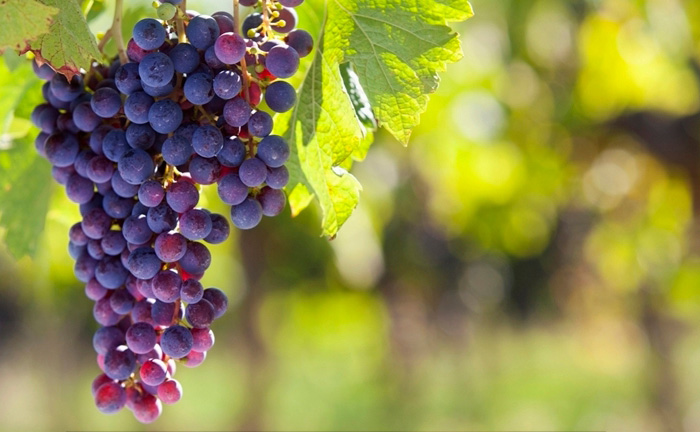
The secret to Malbec’s aging potential lies largely in its terroir, specifically the high-altitude vineyards of the Uco Valley and Luján de Cuyo in Mendoza, Argentina. Planted at elevations between 800 and 1,500 meters above sea level, these vines experience intense solar radiation, cool nights, and a wide diurnal temperature range. This stress slows down the ripening process, forcing the grapes to develop thicker skins. The result is a wine with a higher concentration of anthocyanins (color pigments) and tannins—the structural backbone required for long-term aging. These powerful, often grippy tannins, when balanced by vibrant natural acidity, create a wine that can evolve gracefully for 15 to 20 years or more.
Structural Components: Tannin, Acid, and Alcohol
A wine’s ability to age is a delicate equilibrium of three key components. In premium Malbec, this balance is exceptional. The tannins, while abundant, are often described as “sweet” or “polished” rather than harsh, thanks to careful extraction techniques and quality oak aging. The natural acidity, preserved by the cool mountain nights, provides the necessary freshness to prevent the wine from tasting flat or stewed over time. Alcohol levels, typically hovering between 13.5% and 15%, contribute body and richness without becoming volatile. This structural integrity allows the wine to develop complex tertiary aromas—such as dried violet, leather, tobacco, graphite, and wild herbs—while the primary fruit notes of black plum and blackberry slowly recede into the background.
The Role of Oak and Winemaking
Not all Malbec is created equal for aging. Premium producers employ rigorous selection, often using only free-run juice or the finest press fractions. The use of new French oak (typically 30% to 60%) for 18 to 24 months is standard for top cuvées like Catena Zapata Nicolás, Bodega Noemia J. Alberto, or Zuccardi’s Finca Piedra Infinita. This oak does not mask the fruit but rather integrates seamlessly, adding layers of cedar, vanilla, and spice while micro-oxygenating the wine and stabilizing its color. The finest examples are bottled without fining or filtration, preserving every molecule of flavor and structure.
A Comparative Perspective
How does aged Malbec compare to its Old World counterparts? While a great Bordeaux or Barolo may evolve over 30 to 50 years, premium Malbec offers a slightly more approachable yet still profound aging curve. At 10 to 15 years, a top Malbec often reaches its peak, displaying a harmonious integration of fruit, oak, and earthy complexity that rivals a mature Pomerol. It offers a unique value proposition: world-class aging potential at a fraction of the price of equivalent First Growths. For collectors, this represents an exciting opportunity to build a cellar with a distinctive, high-quality wine that tells the story of a unique place.
Cellaring Recommendations
- Optimal Window: Most premium Malbecs are approachable upon release but benefit from 5 to 8 years of cellaring. The finest examples (e.g., single-vineyard bottlings from high altitudes) can be cellared for 15 to 25 years.
- Storage Conditions: Consistent temperature (12–14°C / 55–57°F), high humidity (60–70%), and protection from light and vibration are essential.
- Decanting: For a young, powerful Malbec, a 1- to 2-hour decant is recommended to open up the aromatics. For an older bottle, a slow, careful pour to separate sediment is ideal, with minimal aeration.
- Vintages to Seek: Look for cooler, balanced vintages like 2013, 2016, 2018, and 2021, which offer higher acidity and more structure for long aging.
The narrative of Malbec is being rewritten. No longer just a reliable “everyday” red, the finest examples from Argentina’s high-altitude vineyards have proven themselves as serious, age-worthy wines. For the discerning collector, investing in premium Malbec is not just a trend—it is a discovery of a world-class wine with a bright and enduring future.
Tags: Aging, Malbec, Potential, Premium
Copyright © 2026 Top Red Wine All rights reserved. .