
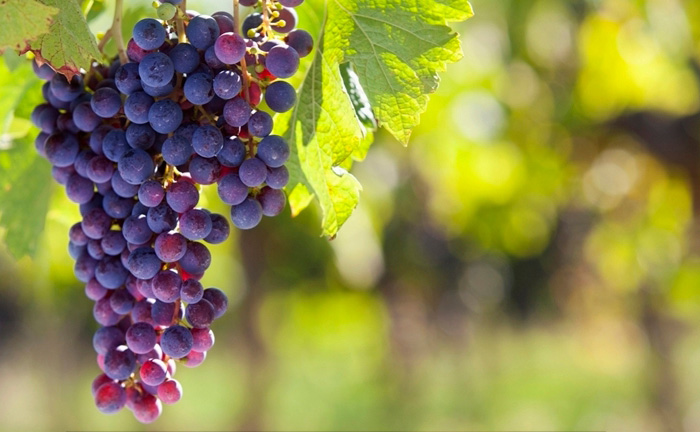
Category: Malbec Wine
High-Altitude Mendoza Malbec: A Review of Argentina’s Crown Jewel Nestled at the foothills of the Andes, the Mendoza region of Argentina has become synonymous with world-class Malbec
Posted onWhile the grape’s origins are French, it has found its true spiritual home here, particularly in the high-altitude vineyards that are redefining quality and complexity. This review explores the unique character of high-altitude Mendoza Malbec and highlights standout examples that every enthusiast should seek out.
The Terroir of the Sky:
Why Altitude Matters
Mendoza’s premier sub-regions—Luján de Cuyo and the Uco Valley—boast vineyards planted between 800 and 1,500 meters (2,600 to 4,900 feet) above sea level. This elevation is the key to their magic.
* Intense Sunlight & Cool Nights: The high-altitude sun promotes optimal phenolic ripeness, developing deep color and concentrated fruit flavors. Conversely, the dramatic diurnal temperature shift (hot days, cold nights) preserves crucial acidity, resulting in wines that are powerful yet fresh, avoiding jammy or overripe characteristics.
* Mineral-Rich Soils: Alluvial, sandy, and rocky soils with excellent drainage stress the vines, leading to lower yields and more concentrated, expressive grapes.
* Pure Environment: The clean, dry mountain air reduces fungal pressures, allowing for more organic practices and pristine fruit.
The result is a Malbec profile distinct from its lower-altitude counterparts: a remarkable balance of intense dark fruit, vibrant acidity, structured tannins, and a distinct mineral or stony undertone.
Tasting Profile:
The Hallmarks of Height
A well-crafted high-altitude Mendoza Malbec typically presents:
* Aroma: A burst of ripe blackberry, plum, and blueberry, often layered with notes of violet, dark chocolate, espresso, and a tell-tale hint of crushed rock or slate.
* Palate: Full-bodied and dense, with a velvety texture. The fruit is lush but never cloying, thanks to the bright acidity. Tannins are present and polished, providing a framework for aging.
* Finish: Long and clean, with lingering flavors of fruit, spice, and that signature mineral freshness.
Standout Reviews:
Wines That Define the Altitude
Here are a few exemplary bottles that showcase the pinnacle of high-altitude Mendoza Malbec.
1. Catena Zapata Adrianna Vineyard “Fortuna Terrae” Malbec
* Region: Gualtallary, Uco Valley (Elevation: 1,450m)
* Review: From one of Argentina’s most celebrated vineyards, this is Malbec of breathtaking elegance and complexity. It offers layers of black cherry, cassis, and floral notes, with a profound stony minerality and whispers of wild herbs. The texture is seamless, with fine-grained tannins and a finish that lasts for minutes. It’s a profound, age-worthy wine that speaks eloquently of its place.
2. Achaval-Ferrer Finca Altamira
* Region: La Consulta, Uco Valley (Elevation: 1,070m)
* Review: A single-vineyard masterpiece known for its intensity and precision. It explodes with aromas of ripe blueberries, violets, and black pepper. On the palate, it is incredibly dense and concentrated, yet shockingly vibrant and fresh. The acidity carries the deep fruit effortlessly, leading to a structured, persistent finish. A benchmark for power with poise.
3. Zuccardi “Concreto” Malbec
* Region: Paraje Altamira, Uco Valley (Elevation: 1,100m)
* Review: As the name suggests, this wine is fermented in concrete vats, which emphasizes purity and texture. It is a stunning expression of place, less overtly oaky, allowing the mineral-driven fruit to shine. Expect vibrant red and black fruit, a chalky texture, incredible energy, and a savory, long finish. It represents a modern, terroir-transparent style.
4. Susana Balbo “Nosotros” Single Vineyard Malbec
* Region: Los Chacayes, Uco Valley (Elevation: 1,200m)
* Review: From a relatively newer, stony district, this wine shows incredible character. It is aromatic and spicy, with notes of black fruit, lavender, and white pepper. The palate is rich and layered, with a distinct graphite minerality and structured, ripe tannins. It demonstrates the exciting diversity within the Uco Valley.
Food Pairing & Aging Potential
These are versatile food wines. Their acidity cuts through rich meats like grilled Argentine asado (beef), lamb chops, or duck breast. Hard cheeses and mushroom-based dishes are also excellent matches.
While delicious in their youth, the best high-altitude Malbecs possess the tannic structure and balance to age beautifully for 10-15 years or more, developing more earthy, leathery, and forest-floor complexities.
Final Verdict
High-altitude Mendoza Malbec is not a monolithic style; it is a thrilling exploration of how a specific grape interacts with extreme and majestic landscapes. The wines deliver a compelling combination of New World fruit intensity and an Old World sense of structure, minerality, and restraint. For any wine lover seeking depth, balance, and a true sense of origin, exploring the Malbecs from the foothills of the Andes is an essential and rewarding journey. They firmly cement Mendoza’s status as one of the great wine-producing regions of the world.
Aging Potential of Premium Malbec: Unlocking the Elegance of Time Malbec, once a humble blending grape from Bordeaux, has found its true calling in the sun-drenched vineyards of Argentina
Posted onWhile known for its bold, fruit-forward character in youth, premium Malbec possesses a remarkable and often underestimated capacity to evolve with age. Understanding the aging potential of these wines reveals a hidden dimension of complexity, transforming a robust, fruity wine into a tapestry of nuanced flavors and textures.
The Foundations of Ageability
Not all Malbecs are created equal when it comes to aging. The potential for graceful evolution is built in the vineyard and the winery. Key factors include:
* Vineyard Site: High-altitude vineyards in regions like Mendoza’s Luján de Cuyo and the Uco Valley provide intense sunlight, cool nights, and poor, well-draining soils. This combination stresses the vines, resulting in smaller berries with thicker skins, higher concentrations of flavor, and firmer, more structured tannins—the essential backbone for aging.
* Winemaking Philosophy: Premium producers aiming for longevity often employ careful extraction methods, use higher proportions of new French oak for structure, and minimize filtration. These choices preserve the wine’s natural compounds that develop complexity over time.
The Evolution of a Premium Malbec
Aging premium Malbec is a journey of transformation. Here’s what you can expect as the wine matures:
In Youth (1-5 years):
The wine is a powerhouse of primary fruit. Aromas and flavors burst with ripe blackberry, plum, and blueberry, often accompanied by notes of violets, cocoa, and sweet spice from oak. The tannins are prominent, sometimes grippy, and the finish is bold and direct.
Developing (5-12 years):
This is where the magic begins. The primary fruit starts to recede, making way for a symphony of secondary and tertiary characteristics. The fruit becomes more subdued and jam-like. Earthy, savory notes emerge: leather, tobacco, cured meat, dark chocolate, and forest floor. The tannins soften and integrate, becoming silky and refined. The acidity, which may have been masked by fruit in youth, becomes more apparent, providing freshness and lift.
Fully Mature (12+ years):
At its peak, a well-aged premium Malbec achieves a beautiful harmony. The structure (tannin, acid, alcohol) and flavor components are in perfect balance. The palate is seamless, with flavors of dried fig, truffle, cedar, and anise. The texture is often described as velvety or suave, with an incredibly long, complex finish. Not all Malbecs will reach this stage, but the finest examples from top vintages and producers certainly can.
How to Age Malbec Successfully
Look for Malbecs from reputable, quality-focused producers, often labeled as “Reserva,” “Gran Reserva,” or from specific high-altitude vineyards. Research favorable vintages.
Consistent temperature (55°F / 13°C is ideal), darkness, and 70% humidity are crucial. Minimize vibration and store bottles on their side to keep the cork moist.
Aging wine is an exercise in delayed gratification. Consider buying multiple bottles of a promising vintage to taste over time and witness its evolution.
Iconic Regions and Producers
While Argentina leads the charge, other regions also produce age-worthy Malbec:
* Argentina: Catena Zapata, Achával-Ferrer, Cheval des Andes, and wines from Paraje Altamira and Gualtallary in the Uco Valley.
* Cahors, France: The original home of Malbec (known here as Côt) produces robust, tannic wines built for decades of aging, often with more earthy, mineral-driven profiles.
* Chile & California: Select producers in these regions are also crafting structured, age-worthy Malbec expressions.
Conclusion
The journey of a premium Malbec from vibrant youth to sophisticated maturity is one of wine’s most rewarding narratives. It challenges the perception of Malbec as merely an approachable, fruity wine and showcases its nobility and depth. For the patient enthusiast, cellaring a few select bottles of premium Malbec is an investment in future pleasure, promising the profound reward of tasting a wine that has truly come into its own. It is in the quiet unfolding of time that the soul of a great Malbec is fully revealed.
Malbec vs Syrah: A Flavor Profile Comparison When exploring the world of robust red wines, two varietals often stand out for their intensity and complexity: Malbec and Syrah
Posted onWhile both offer deep color and rich flavors, they possess distinct personalities shaped by their origins, growing conditions, and winemaking traditions. Understanding their unique flavor profiles can enhance your appreciation and guide your pairing choices.
Malbec:
The Velvety Powerhouse
Originally from France but now famously associated with Argentina, Malbec has found its ideal home in the high-altitude vineyards of Mendoza. This terroir gives the grape its signature characteristics.
Typical Malbec Flavor Profile:
* Primary Fruit Notes: Ripe plum, blackberry, and black cherry dominate. In cooler climates or vintages, you might find hints of red plum or raspberry.
* Secondary Notes: Look for cocoa, milk chocolate, violet, and a touch of leather or earth.
* Mouthfeel: Malbec is known for its soft, plush, and velvety tannins. It often feels round and broad in the mouth.
* Structure: Typically medium to high in acidity, which balances its ripe fruit, with moderate tannins that are more supple than grippy.
* Classic Pairings: Excellent with grilled red meats, especially Argentine asado (barbecue), blue cheese, mushroom-based dishes, and hard, aged cheeses.
Syrah:
The Spicy Charmer
Known as Syrah in France and most of the world, and Shiraz in Australia, this grape is a chameleon that powerfully expresses its terroir.
Typical Syrah/Shiraz Flavor Profile:
* Old World (Northern Rhône, France): Features more savory, earthy, and smoky notes. Think black olive, cracked black pepper, smoked meat, bacon fat, and violets, with a core of blueberry and blackberry. Tannins are firm and structured.
* New World (Australia, USA, South America): Tends toward a jammier, fruit-forward style. Expect bold flavors of blueberry, blackberry, plum, and often notes of licorice, dark chocolate, and vanilla from oak aging. Australian Shiraz is famous for its ripe, sometimes jammy fruit and sweet spice.
* Mouthfeel: Can range from medium-bodied and peppery to full-bodied and dense, often with more noticeable, grippy tannins than Malbec.
* Structure: Generally has good acidity and more pronounced, sometimes gritty, tannins.
* Classic Pairings: Pairs wonderfully with grilled or braised lamb, game, duck, hard aged cheeses like Pecorino, and dishes with black pepper or herb crusts.
Side-by-Side Comparison
| Feature | Malbec | Syrah/Shiraz |
| :— | :— | :— |
| Core Fruit | Plum, Blackberry, Black Cherry | Blueberry, Blackberry (often with jammy notes in New World) |
| Signature Notes | Cocoa, Violet, Velvety Texture | Black Pepper, Smoked Meat (Old World), Licorice, Sweet Spice (New World) |
| Mouthfeel | Softer, plumper, velvety tannins | More structured, often with grippier, more pronounced tannins |
| Acidity | Medium to High | Medium to High |
| Typical Body | Medium to Full | Medium to Full (can be very full in styles like Barossa Shiraz) |
| Classic Region | Mendoza, Argentina | Northern Rhône, France; Barossa, Australia |
How to Choose?
* Choose a Malbec if: You want a wine that feels plush and velvety, with dominant dark fruit and chocolatey notes. It’s an approachable, crowd-pleasing choice that’s fantastic with steak.
* Choose a Syrah if: You crave more savory complexity, peppery spice, or a more structured, grippy wine. Opt for an Old World Syrah for a savory, food-friendly experience, or a New World Shiraz for a bolder, fruit-powered glass.
Conclusion
While both Malbec and Syrah deliver satisfying depth and darkness, Malbec tends to offer a smoother, fruit-and-chocolate driven experience, while Syrah presents a wider spectrum from savory and peppery to powerfully ripe and spicy. The best way to understand the difference is, of course, to taste them side by side. Pour a glass of each, and let your palate explore the delicious contrast between velvet and spice.
Climate Impact on Malbec Grape Quality Malbec, the inky, robust red grape synonymous with Argentine wines, has found a second home and global fame far from its French origins
Posted onWhile its cultivation spans continents, the quality and character of Malbec grapes are profoundly and directly influenced by climate. From the sun-drenched slopes of Mendoza to emerging cool-climate regions, understanding this relationship is key to appreciating the wine in your glass and the future of this beloved varietal.
The Goldilocks Zone:
Malbec’s Climatic Preferences
Malbec is often described as a “climate-sensitive” grape. It thrives in specific conditions, demanding a careful balance:
* Sunshine and Heat: Ample sunlight is crucial for achieving full phenolic ripeness—developing rich color, soft tannins, and concentrated fruit flavors. Malbec requires a long, warm growing season.
* Significant Diurnal Shift: Perhaps the most critical factor is a large difference between daytime highs and nighttime lows. Cool nights, especially in arid, high-altitude regions like Mendoza’s Uco Valley, allow the vines to “shut down,” preserving crucial acidity and fresh aromatics. This balance prevents the grapes from becoming overripe and flabby, maintaining structure and elegance.
* Dry Conditions: Malbec has thin skins, making it susceptible to fungal diseases like mildew and rot. Arid climates with low rainfall during the growing season, often supplemented by controlled drip irrigation from mountain snowmelt, provide ideal, healthy conditions.
How Climate Shapes the Berry and the Wine
Variations within these broad preferences lead to dramatic differences in grape quality and wine profile:
* Warm/Hot Climates (e.g., Luján de Cuyo, Mendoza): Here, Malbec achieves powerful ripeness. Grapes develop higher sugar levels, leading to wines with elevated alcohol. The flavors tend toward the jammy and decadent: blackberry compote, plum, dark chocolate, and mocha. Tannins are ripe and velvety. The risk, if not managed with altitude or canopy management, is a loss of freshness and overly high alcohol.
* Cool Climates & High Altitude (e.g., Uco Valley, Salta, Patagonia): This is where modern, premium Malbec shines. Higher elevations and cooler latitudes extend the growing season. Grapes ripen slowly, developing complex flavor profiles while retaining vibrant acidity. The resulting wines are more aromatic, with notes of red fruit (raspberry, cherry), violet, black pepper, and earthy minerality. They are fresher, more structured, and often more age-worthy.
* Excessive Heat & Water Stress: Beyond the optimum, intense heat waves can cause sunburn, shriveling, and halted photosynthesis. Severe drought stress can lead to stalled ripening, producing grapes with green, astringent tannins and unbalanced, bitter flavors.
* Excessive Moisture & Coolness: In too-cool or wet vintages, Malbec struggles to ripen fully. The resulting grapes can yield wines with vegetal notes (green bell pepper), high acidity, and harsh, grippy tannins, lacking the varietal’s characteristic fruit depth.
The Looming Challenge:
Climate Change
Climate change presents both challenges and adaptations for Malbec producers:
* Shifting Terroir: Traditional warm areas may become too hot for balanced Malbec. Winemakers are exploring higher altitudes (planting further up the Andes) and cooler southern latitudes (like Patagonia) to find the ideal “sweet spot.”
* Harvest Date Volatility: Warmer springs cause earlier budbreak, increasing frost risk. Heat spikes can force earlier harvests to preserve acidity, potentially sacrificing flavor complexity.
* Water Management: Increased drought pressure in already-arid regions makes efficient irrigation and water conservation existential priorities.
* Adaptation in the Vineyard: Techniques like planting at higher densities for shade, using drought-resistant rootstocks, and adjusting canopy management are becoming essential tools.
Conclusion
The quality of Malbec is not a matter of chance but a direct dialogue between the vine and its climate. The interplay of heat, light, and cooling respite crafts a spectrum of styles, from the opulently fruity to the elegantly structured. As climate patterns evolve, so too will the geography and character of this iconic grape. For the wine lover, this means an ever-expanding landscape of Malbec to explore, each bottle a testament to the place and climate that nurtured it. The future of Malbec will be written by those who can listen most closely to the changing climate and adapt with precision and respect for the vine.
Small Producers Making Exceptional Malbec: The Soul of Argentine Wine While the expansive vineyards of Mendoza’s large-scale bodegas have rightfully brought Malbec to the world stage, a quiet revolution is unfolding in the high-altitude valleys of Argentina
Posted onA growing cadre of small, passionate producers is redefining what Argentine Malbec can be, crafting wines of stunning individuality, terroir expression, and artisanal quality. These are not the widely available, fruit-forward Malbecs of the supermarket shelf, but rather nuanced, site-specific bottles that tell a story of place and person.
The Philosophy of the Small Lot
For these vignerons, scale is a deliberate choice, not a limitation. Their operations, often family-run or involving tiny teams, allow for an obsessive focus that larger facilities cannot replicate.
* Vineyard-First Mentality: Many are *vignerons* in the truest sense—growers who make wine only from vineyards they farm themselves or know intimately. They prioritize organic and biodynamic practices, dry farming, and low yields to achieve concentrated, healthy fruit.
* Handcrafted in the Cellar: Winemaking is minimalist and intuitive. Fermentations might be spontaneous with native yeasts. Extraction is gentle, and oak use is judicious, often with large, neutral foudres or concrete eggs that highlight purity of fruit rather than vanilla notes.
* Terroir as the Star: The goal is not a consistent “house style” year after year, but a transparent expression of a specific *parcela* (plot). They seek out old vines, forgotten vineyards, and extreme altitudes—from the stony alluvial soils of the Uco Valley’s Gualtallary to the sandy stretches of Altamira—to showcase the incredible diversity within Mendoza and beyond.
What Sets Their Malbec Apart
The result is a different profile of Malbec, one that appeals to the curious drinker and the connoisseur alike.
Grown in cooler, high-altitude sites (often above 1,000 meters/3,280 feet), these Malbecs retain a vibrant acidity that balances the inherent dark fruit. They feel fresher, more energetic, and often possess a tannic structure that promises graceful aging.
Beyond the classic plum and violet, expect layers of mineral notes (flint, wet stone), earthy tones (graphite, clay), and savory hints of dried herbs, white pepper, and licorice.
Drink a Malbec from a producer in Paraje Altamira, and then one from their vineyard in Vista Flores; the differences in soil and microclimate will be eloquently expressed in the glass.
Champions of the Artisanal Movement
While the list is ever-growing, several names have become synonymous with this high-quality, small-production movement:
* Piedra Negra / François Lurton in Gualtallary: A pioneer in high-altitude Malbec, focusing on precise, mineral-driven wines from one of Mendoza’s most sought-after terroirs.
* Zorzal Wines: In the heart of Gualtallary, this progressive estate makes vibrant, unoaked Malbecs that are pure fruit and terroir, often using concrete for fermentation and aging.
* Domaine Bousquet in Tupungato: An organic pioneer from its inception, crafting elegant, food-friendly Malbecs that reflect their cool-climate, high-altitude vineyard.
* Matías Riccitelli Wines: A young gun celebrated for his innovative spirit, sourcing incredible old-vine fruit from across Mendoza to create bold, modern, yet distinctly site-reflective Malbecs.
* Alta Vista’s Single Vineyard Series: While part of a larger group, their commitment to single-parcel, old-vine Malbecs like “Alto” and “Serenade” showcases a small-producer mindset.
The Challenge and The Reward
The path for these producers is not easy. They face significant challenges in distribution, marketing, and competing for shelf space against major brands. For the wine lover, however, seeking out these bottles is immensely rewarding. It connects you directly to a specific patch of land and the family or individual whose life’s work is in every bottle.
Finding These Wines: Look to specialized wine shops, knowledgeable sommeliers at fine-dining restaurants, or online retailers focused on artisan imports. Be prepared to pay a premium for the quality and rarity, but often find values that far exceed their price compared to other world regions.
In the end, the story of small-producer Malbec is a return to wine’s essence: agriculture, craftsmanship, and a unique sense of place. They are proving that Malbec is not a monolithic variety, but a magnificent canvas upon which the diversity of Argentina’s landscape can be painted, one small, exceptional lot at a time.
Featured wine
popular posts
-

— wp:heading {“level”:1} –> Top-Rated Old-Vine Zinfandel 2025 Old-vine Zinfandel occupies a singular place in the world of wine
9-21 2026These gnarled, head-trained vines—many planted before the phylloxera epidemic of the late nineteenth century—yield tiny crops of intensely concentrated fruit. The result is a Read More
-
— wp:heading {“level”:1} –> Best Years for Barossa Valley Shiraz Barossa Valley Shiraz is one of Australia’s most celebrated wines, renowned for its bold fruit, generous texture, and remarkable capacity to age
9-20 2026For collectors and enthusiasts alike, understanding which vintages stand above the rest is essential to building a rewarding cellar. While every year in the Read More