
Tag: aisles
Syrah vs Shiraz Explained: Unraveling the Mystery of Two Names for One Grape If you’ve ever browsed a wine list or wandered the aisles of a wine shop, you’ve likely encountered both Syrah and Shiraz
Posted onAt first glance, they appear to be two distinct wines, but the fascinating truth is that Syrah and Shiraz are the same grape variety. The difference lies not in the vine, but in the story, style, and place.
This article will demystify the dual identity of this noble grape, exploring its origins, the stylistic divergence between Old World and New World expressions, and how to choose between a bottle labeled Syrah or Shiraz.
A Tale of One Grape, Two Hemispheres
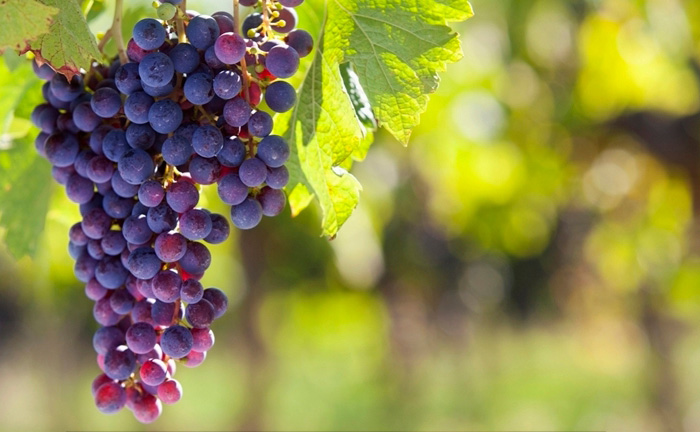
The journey begins in France’s Rhône Valley, the ancestral home of the Syrah grape. For centuries, it has been the star of prestigious appellations like Hermitage and Côte-Rôtie, producing wines celebrated for their aromatic complexity, peppery notes, and structured elegance.
So, how did it become Shiraz? The story travels to Australia in the 19th century. As the vine was planted and thrived in the Australian sun, the name “Shiraz” emerged. Its exact origin is debated—possibly a reference to the Persian city of Shiraz (though the grape has no genetic link to Persia) or a simple colloquial adaptation. What solidified the name was the global success of Australian Shiraz in the late 20th century: bold, fruit-forward, and powerfully expressive wines that captured the world’s palate. The name “Shiraz” became synonymous with this warm-climate, New World style.
The Style Divide:
What’s in a Name?
While genetically identical, the label “Syrah” or “Shiraz” often signals a winemaking philosophy and a predictable style profile.
Syrah: The Old World Archetype
When labeled Syrah, expect a wine made in a more traditional, Old World style. This is especially true from its homeland in France, but also from cooler regions worldwide (like parts of California, Washington State, or Chile).
* Flavor Profile: More savory, earthy, and restrained. Think black olive, cracked black pepper, smoked meat, violets, and dark berries like blueberry and blackcurrant.
* Structure: Higher acidity, firm but refined tannins, and a medium to full body. The focus is on balance, elegance, and terroir expression.
* Mouthfeel: Often described as sleek, peppery, and food-friendly.
Shiraz: The New World Icon
The label Shiraz typically promises a wine in the ripe, generous Australian-inspired style, though it’s now used in other warm climates like South Africa and some New World regions.
* Flavor Profile: Ripe, jammy, and explosively fruity. Dominant notes of blackberry, plum, and blueberry, often with hints of sweet spice (licorice, vanilla) from oak aging.
* Structure: Softer acidity, lush and rounded tannins, and a full-bodied, dense texture. The alcohol content is often higher.
* Mouthfeel: Rich, opulent, and velvety.
The Key Takeaway: “Syrah” suggests a cooler-climate, savory, and structured wine. “Shiraz” suggests a warm-climate, fruit-driven, and powerful wine.
Blending and Regional Expressions
Both styles have their iconic blends:
* Syrah in the Southern Rhône is famously blended with Grenache and Mourvèdre to create GSM blends, adding warmth and perfume.
* Australian Shiraz is often blended with a small amount of Cabernet Sauvignon for added structure, or with Viognier (a white grape) in a traditional Rhône technique to enhance aroma and color stability.
How to Choose:
Syrah or Shiraz?
Your choice depends entirely on your taste and the occasion.
* Choose a SYRAH if: You enjoy earthy, peppery, and structured wines. You’re pairing with grilled meats, herb-roasted dishes, mushrooms, or hard cheeses. You appreciate nuanced, Old World elegance.
* Choose a SHIRAZ if: You love bold, fruit-packed, and generously oaked reds. You’re serving barbecue, spicy sausages, or hearty stews. You want a crowd-pleasing wine with immediate, voluptuous appeal.
Beyond the Label:
The Exception to the Rule
It’s crucial to remember that the name is not a strict legal definition. Some Australian producers crafting cooler-climate, elegant styles may label their wine “Syrah.” Conversely, a winemaker in California’s Central Coast might use “Shiraz” to indicate a riper style. When in doubt, look to the region—a Barossa Valley wine will almost always be Shiraz in style, while a Saint-Joseph from France will be Syrah.
Conclusion
The Syrah/Shiraz dichotomy is one of the wine world’s most delightful educational tools. Two names for a single, magnificent grape offer a clear window into the profound impact of climate, soil, and winemaking tradition. Understanding this difference empowers you to navigate wine lists with confidence, knowing that whether you seek the peppery intrigue of a Northern Rhône Syrah or the sun-drenched opulence of a Barossa Shiraz, you are exploring the magnificent spectrum of one of the world’s greatest red wine grapes.
Next time you choose, let the label be your guide to the style within.
Featured wine
popular posts
-

Red Wine and Insurance: Understanding Coverage, Risks, and Protection for Collectors and Enthusiasts
10-17 2026Red wine is more than a beverage—it's an investment, a passion, and for many, a valuable asset. From rare vintage Bordeaux to everyday favorites,... Read More
-
Merlot Wine and Insurance: Understanding Coverage for Your Valuable Collection
10-16 2026Introduction For collectors and enthusiasts, a well-curated wine cellar represents far more than a hobby—it is a significant financial asset. Among... Read More