
Tag: Demanding
Why Pinot Noir is Difficult to Grow: The Heartbreak Grape’s Demanding Nature Pinot Noir, often called the “heartbreak grape,” holds a place of reverence in the world of wine
Posted onIt produces some of the most elegant, aromatic, and sought-after wines on the planet, from the silky reds of Burgundy to the vibrant bottles of Oregon and New Zealand. Yet, behind this acclaim lies a stark reality: Pinot Noir is notoriously one of the most difficult wine grapes to cultivate successfully. Its journey from vine to bottle is a high-stakes ballet with nature, where the slightest misstep can lead to disappointment. The challenges are multifaceted, rooted in the grape’s genetic fragility, climatic sensitivity, and viticultural demands.
A Genetically Unstable and Thin-Skinned Variety
At its core, Pinot Noir’s difficulty begins with its very DNA.
* Genetic Mutability: Pinot Noir is an ancient and genetically unstable variety. It mutates readily, leading to a wide array of clones (like Pinot Gris and Pinot Blanc, which are color mutations). While this offers diversity, it also means consistency is hard to achieve. A vineyard can contain vines that behave and ripen differently, complicating harvest decisions.
* Delicate Physicality: The grapes have an exceptionally thin skin. This makes them vulnerable to a host of vineyard hazards. They are highly susceptible to rot and fungal diseases like botrytis bunch rot, especially in damp conditions. The thin skin also contributes to lower levels of natural tannins and anthocyanins (color compounds), making the wines more delicate and less robust than their Cabernet Sauvignon counterparts.
Extreme Climatic Sensitivity and Terroir Demands
Pinot Noir is a Goldilocks grape; the conditions must be *just right*.
* The Narrow Climate Window: It thrives in a very specific, cool-to-moderate climate continuum. If it’s too cool, the grapes won’t achieve full phenolic ripeness, leading to green, herbaceous, and acidic wines. If it’s too warm, the grapes lose their crucial acidity, become jammy and over-alcoholic, and shed the delicate aroma profile (red fruits, earth, florals) that defines the variety. Finding this perfect marginal climate is the first great challenge.
* An Obsession with Terroir: More than perhaps any other grape, Pinot Noir is a transparent translator of its place—its *terroir*. It acutely reflects the nuances of its soil, aspect, and microclimate. This means site selection is paramount. Ideal soils are often well-draining, limestone-rich, or composed of ancient marine sediments, which help stress the vine gently and promote complexity. A poor site choice will be glaringly evident in the glass.
High-Maintenance Viticulture and Vintage Vulnerability
Growing Pinot Noir is labor-intensive and requires constant, meticulous attention.
* Canopy Management: Due to its thin skin and disease susceptibility, the vine’s canopy (leaves and shoots) must be meticulously managed. Growers must balance providing enough shade to prevent sunburn (which can bitter the grapes) with ensuring enough airflow and sunlight penetration to ward off rot and ensure even ripening. This requires skilled, hands-on work throughout the season.
* Precise Yield Control: Pinot Noir does not respond well to high yields. To achieve concentration and depth, vines must be cropped to low levels. Overproduction leads to dilute, insipid wines. This economic reality—producing less wine per acre—adds to the financial risk.
* Vintage Variation: Because it is grown on the climatic edge and is so vulnerable, Pinot Noir is highly expressive of vintage variation. The character of the wine can change dramatically from year to year based on spring frosts, summer heat spikes, or autumn rains. This inconsistency is a hallmark of the grape and a constant test of the vigneron’s skill.
The Final Challenge:
Winemaking
The difficulties do not end at harvest. The winemaking process is equally perilous.
* Fermentation Risks: The thin skins and low tannin levels make extraction a delicate process. Over-extraction leads to harsh, bitter wines, while under-extraction results in a watery lack of structure. The use of whole clusters (stems) for added complexity is a common but risky technique that can introduce unwanted green notes if not perfectly ripe.
* Susceptibility to Faults: Pinot Noir’s delicacy makes it more prone to certain winemaking faults, such as oxidation, which can prematurely brown and flatten the wine. This necessitates careful handling, often in smaller vessels, and can influence choices around oak aging.
Conclusion:
The Reward of Perseverance
The story of Pinot Noir is one of fragile beauty wrested from the brink of difficulty. Its cultivation is an act of patience, observation, and courage. The grape punishes complacency and rewards only the most dedicated growers who are willing to listen to their vines and adapt to each season’s whims. This immense challenge is precisely what makes great Pinot Noir so special and treasured. It is not just a wine; it is a vivid, bottled expression of a specific place, a specific year, and the human perseverance required to capture it. The difficulty is not a flaw, but the very source of its soul.
Why Pinot Noir is Difficult to Grow: The Heartbreak Grape’s Demanding Nature Pinot Noir, often called the “heartbreak grape,” is one of the world’s most celebrated and sought-after wine varieties
Posted onFrom the hallowed slopes of Burgundy to the cool coasts of California and New Zealand, it produces wines of unparalleled elegance, aromatic complexity, and ethereal texture. Yet, behind every sublime bottle lies a story of immense challenge. For viticulturists and winemakers, Pinot Noir is notoriously difficult to grow, presenting a unique set of obstacles that test skill, patience, and sometimes, sanity.
1. A Genetic Delicacy
At its core, Pinot Noir’s difficulty begins with its genetics. It is an ancient grape variety with a relatively thin genetic profile, making it less resilient than its robust cousins like Cabernet Sauvignon or Syrah.
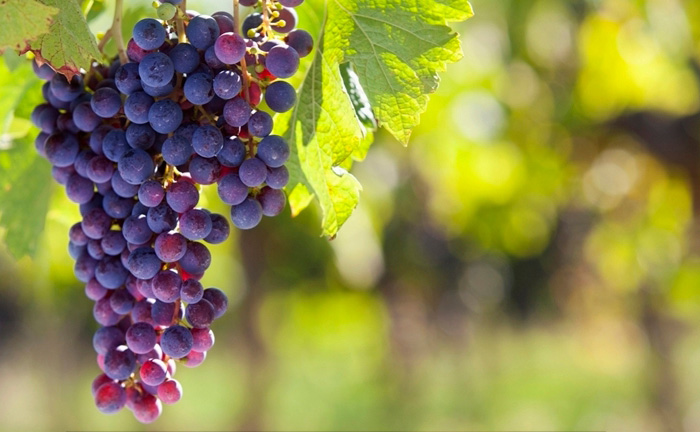
* Thin Skins: Pinot Noir grapes have exceptionally thin skins. While this contributes to the wine’s characteristic light color, low tannin, and silky mouthfeel, it makes the berries highly vulnerable. They are susceptible to sunburn, physical damage from wind or hail, and rapid water uptake (which can dilute flavors).
* Tight Clusters: The grapes grow in compact, tightly packed clusters. This lack of airflow creates a humid microclimate perfect for the development of fungal diseases like botrytis bunch rot and powdery mildew. Any moisture trapped after rain or morning dew becomes a significant threat.
2. An Unforgiving Climate Conundrum
Pinot Noir is a Goldilocks grape—it demands a very specific and narrow climatic window.
* The Cool Climate Imperative: It thrives in cool, long, and consistent growing seasons. Too much heat accelerates sugar ripening before the delicate flavors (like red fruit, earth, and floral notes) and phenolic compounds (for structure) can fully develop, resulting in jammy, unbalanced wines.
* The Frost and Frost Danger: As an early-budding variety, Pinot Noir is acutely vulnerable to spring frosts. A single cold night after budbreak can wipe out an entire year’s crop. Conversely, an early autumn frost can halt ripening before harvest.
* Marginal Growing Regions: The quest for this perfect cool climate often pushes growers to “marginal” regions—places where the grape can just barely ripen. This is a high-stakes gamble where every vintage is at the mercy of the weather.
3. A Picky Palate for Terroir
More than perhaps any other grape, Pinot Noir is a transparent translator of *terroir*—the specific combination of soil, slope, and climate where it is grown. This sensitivity is a double-edged sword.
* Soil Specificity: It performs best in well-drained, limestone-rich soils (as in Burgundy’s Côte d’Or). It dislikes overly fertile soils, which promote excessive leaf growth at the expense of grape quality.
* Site Selection is Everything: A difference of a few meters in elevation or aspect (north vs. south-facing slope) can make or break a Pinot Noir vineyard. Finding the perfect “micro-site” requires deep understanding and often, trial and error.
* No Hiding Place: In the winery, Pinot Noir is typically made with minimal intervention (like heavy oak or blending). This means any flaws, imbalances, or deficiencies from the vineyard are starkly evident in the glass. There is nowhere to hide.
4. Demanding Vineyard Management
Growing Pinot Noir is labor-intensive and requires meticulous, hands-on attention.
* Canopy Management: To protect the thin-skinned grapes from sunburn while ensuring enough sunlight and airflow to prevent disease, growers must carefully manage the leaf canopy. This involves precise pruning, leaf plucking, and shoot positioning—tasks that often must be done by hand.
* Low Yields, High Costs: To achieve concentration and quality, yields must be kept deliberately low. This, combined with the high labor costs for meticulous care, makes Pinot Noir an expensive grape to farm. Economic sustainability is a constant concern.
* Precision Harvesting: Because of its uneven ripening tendency, grapes within a single cluster—or even on a single vine—can mature at different rates. Multiple passes through the vineyard to pick only the perfectly ripe clusters (triage) are common, further driving up costs.
The Reward for the Struggle
So why do growers persevere? The answer lies in the potential for transcendent wine. A successful Pinot Noir, grown in a harmonious site and nurtured through a perfect vintage, achieves a balance of power and delicacy, fruit and earth, aroma and texture that is unmatched. It is a wine of nuance, emotion, and place.
The very factors that make Pinot Noir so difficult—its delicacy, transparency, and sensitivity—are the same ones that make it so profoundly beautiful. In the end, the heartbreak of the grower is what delivers the heartbeat of a truly great Pinot Noir: a fragile, fleeting, and utterly captivating expression of the land itself.
Featured wine
popular posts
-

Zinfandel Wine Insurance: Protecting Your Liquid Assets from Vine to Glass
10-08 2026When collectors and restaurateurs think about valuable assets, they often picture real estate, jewelry, or fine art. Yet a growing number of wine... Read More
-
Merlot Wine and Insurance: The Ultimate Guide to Protecting Your Valuable Collection
10-08 2026Introduction Merlot wine is one of the most beloved and widely collected varietals in the world. From the prestigious vineyards of Bordeaux to the... Read More