
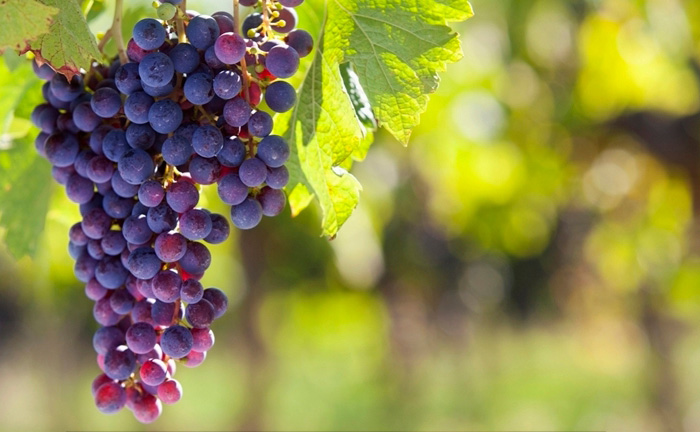
Why Pinot Noir is Difficult to Grow: The Heartbreak Grape’s Demanding Nature Pinot Noir, often called the “heartbreak grape,” holds a place of reverence in the world of wine
Posted on by RickieIt produces some of the most elegant, aromatic, and sought-after wines on the planet, from the silky reds of Burgundy to the vibrant bottles of Oregon and New Zealand. Yet, behind this acclaim lies a stark reality: Pinot Noir is notoriously one of the most difficult wine grapes to cultivate successfully. Its journey from vine to bottle is a high-stakes ballet with nature, where the slightest misstep can lead to disappointment. The challenges are multifaceted, rooted in the grape’s genetic fragility, climatic sensitivity, and viticultural demands.
A Genetically Unstable and Thin-Skinned Variety
At its core, Pinot Noir’s difficulty begins with its very DNA.
* Genetic Mutability: Pinot Noir is an ancient and genetically unstable variety. It mutates readily, leading to a wide array of clones (like Pinot Gris and Pinot Blanc, which are color mutations). While this offers diversity, it also means consistency is hard to achieve. A vineyard can contain vines that behave and ripen differently, complicating harvest decisions.
* Delicate Physicality: The grapes have an exceptionally thin skin. This makes them vulnerable to a host of vineyard hazards. They are highly susceptible to rot and fungal diseases like botrytis bunch rot, especially in damp conditions. The thin skin also contributes to lower levels of natural tannins and anthocyanins (color compounds), making the wines more delicate and less robust than their Cabernet Sauvignon counterparts.
Extreme Climatic Sensitivity and Terroir Demands
Pinot Noir is a Goldilocks grape; the conditions must be *just right*.
* The Narrow Climate Window: It thrives in a very specific, cool-to-moderate climate continuum. If it’s too cool, the grapes won’t achieve full phenolic ripeness, leading to green, herbaceous, and acidic wines. If it’s too warm, the grapes lose their crucial acidity, become jammy and over-alcoholic, and shed the delicate aroma profile (red fruits, earth, florals) that defines the variety. Finding this perfect marginal climate is the first great challenge.
* An Obsession with Terroir: More than perhaps any other grape, Pinot Noir is a transparent translator of its place—its *terroir*. It acutely reflects the nuances of its soil, aspect, and microclimate. This means site selection is paramount. Ideal soils are often well-draining, limestone-rich, or composed of ancient marine sediments, which help stress the vine gently and promote complexity. A poor site choice will be glaringly evident in the glass.
High-Maintenance Viticulture and Vintage Vulnerability
Growing Pinot Noir is labor-intensive and requires constant, meticulous attention.
* Canopy Management: Due to its thin skin and disease susceptibility, the vine’s canopy (leaves and shoots) must be meticulously managed. Growers must balance providing enough shade to prevent sunburn (which can bitter the grapes) with ensuring enough airflow and sunlight penetration to ward off rot and ensure even ripening. This requires skilled, hands-on work throughout the season.
* Precise Yield Control: Pinot Noir does not respond well to high yields. To achieve concentration and depth, vines must be cropped to low levels. Overproduction leads to dilute, insipid wines. This economic reality—producing less wine per acre—adds to the financial risk.
* Vintage Variation: Because it is grown on the climatic edge and is so vulnerable, Pinot Noir is highly expressive of vintage variation. The character of the wine can change dramatically from year to year based on spring frosts, summer heat spikes, or autumn rains. This inconsistency is a hallmark of the grape and a constant test of the vigneron’s skill.
The Final Challenge:
Winemaking
The difficulties do not end at harvest. The winemaking process is equally perilous.
* Fermentation Risks: The thin skins and low tannin levels make extraction a delicate process. Over-extraction leads to harsh, bitter wines, while under-extraction results in a watery lack of structure. The use of whole clusters (stems) for added complexity is a common but risky technique that can introduce unwanted green notes if not perfectly ripe.
* Susceptibility to Faults: Pinot Noir’s delicacy makes it more prone to certain winemaking faults, such as oxidation, which can prematurely brown and flatten the wine. This necessitates careful handling, often in smaller vessels, and can influence choices around oak aging.
Conclusion:
The Reward of Perseverance
The story of Pinot Noir is one of fragile beauty wrested from the brink of difficulty. Its cultivation is an act of patience, observation, and courage. The grape punishes complacency and rewards only the most dedicated growers who are willing to listen to their vines and adapt to each season’s whims. This immense challenge is precisely what makes great Pinot Noir so special and treasured. It is not just a wine; it is a vivid, bottled expression of a specific place, a specific year, and the human perseverance required to capture it. The difficulty is not a flaw, but the very source of its soul.
Tags: called, Demanding, Difficult, Grape, Grapes, Grow, heartbreak, holds, Nature Pinot, Noir, often, Pinot, place, reverence, Wine, World
Copyright © 2026 Top Red Wine All rights reserved. .