


Category: Merlot Wine
re is a professional English article on the proper way to decant Merlot
Posted on—
Title: How to Decant Merlot Properly
Subtitle: Unlocking the full aromatic potential and texture of a classic red.
Introduction
Decanting is often associated with young, tannic wines like Cabernet Sauvignon or Barolo, or with old wines that have developed sediment. However, the process of decanting is equally—if not more—important for Merlot, a grape known for its plush texture and fruit-forward character. While Merlot is generally softer than its Bordeaux counterpart, proper decanting can transform a simple bottle into a layered, expressive experience. Whether you are enjoying a Right Bank Bordeaux or a Napa Valley Merlot, understanding the *why* and *how* of decanting is essential.
Why Decant Merlot?
There are two primary reasons to decant Merlot: aeration and separation.
Young Merlot, particularly those from cooler climates or with significant oak aging, can be initially “closed.” The aromatic compounds—the black cherry, plum, and mocha notes—are often bound up by tannins and sulfites. Decanting exposes the wine to oxygen, which acts as a catalyst, allowing these volatile aromas to escape and the fruit to express itself fully. For a wine that relies on silkiness, aeration softens any remaining harsh edges.
While less common in young Merlot than in its Cabernet cousins, older vintages (10+ years) will develop sediment. This is not a flaw, but a natural precipitation of tannins and pigment. Decanting ensures you pour a clear, brilliant wine rather than a cloudy, gritty one.
The Equipment
Choose one with a wide base. A large surface area maximizes oxygen contact. Avoid narrow-necked, highly ornamental decanters for this purpose; function over form is key.
For wiping the bottle neck after opening.
To see the sediment as it approaches the shoulder of the bottle.
A standard waiter’s corkscrew is ideal.
Step-by-Step Guide to Decanting Merlot
Step 1: Assess the Vintage
This wine needs aggressive aeration. Decanting should be done 30–60 minutes before serving.
This wine is more fragile. It needs gentle handling to avoid shocking it. Decant it just 15–30 minutes before serving. The primary goal here is sediment removal, not rapid aeration.
Step 2: Stand the Bottle Upright
For any wine older than 4 years, stand the bottle upright for at least 24 hours before decanting. This allows the sediment to fall to the bottom of the bottle, making separation easier.
Step 3: Remove the Foil and Cork
Cut the foil cleanly below the lip of the bottle to prevent wine from contacting metal. Wipe the rim and the top of the cork with the towel. Remove the cork slowly and deliberately. Sniff the cork (it should smell like fruit, not wet cardboard or vinegar). Wipe the inside of the bottle neck again.
Step 4: The Pouring Technique
Hold the decanter at a 45-degree angle. Pour the wine in a steady, moderate stream, allowing it to splash against the side of the decanter. This introduces maximum oxygen. Do not stop to smell the wine; pour the entire bottle in one continuous motion.
This is a delicate operation. Place a light source (candle or flashlight) behind the bottle’s shoulder. Pour slowly, with a steady hand, keeping the bottle’s neck over the decanter’s opening. Watch the light. As soon as you see the first dark speck of sediment approaching the neck, stop pouring. You may leave the last ounce or two of wine in the bottle.
Step 5: Let It Rest (The Waiting Game)
Let it rest in the decanter for 30–60 minutes. Swirl the decanter gently once or twice to encourage further aeration. Taste it after 30 minutes. If it still feels tight or tannic, let it go another 30.
Do not let it sit for more than 30 minutes. The wine has already evolved, and prolonged aeration can cause the delicate fruit to fade, leaving only a vegetal or oxidized character.
Step 6: Serving
Pour from the decanter into a large-bowled Burgundy or Bordeaux glass. Fill only one-third of the glass to allow for swirling. Serve Merlot at a temperature of 60–65°F (15–18°C) . If the wine is too warm (above 68°F), it will taste alcoholic and jammy. If too cold (below 55°F), it will seem thin and closed.
Common Mistakes to Avoid
A cold wine aromatically shuts down. If you decant a cold bottle, the aeration process is largely wasted. Let the bottle sit at room temperature for 20 minutes before decanting.
Residual soap or detergent is the enemy of fine wine. Rinse your decanter with hot water only, and dry it upside down before use.
While Merlot is more forgiving than many wines, a non-decanted young Merlot will often taste “muddled” or “simple.” The difference is night and day.
Conclusion
Decanting Merlot is not a chore; it is an act of respect for the wine. For a young, fruit-driven Merlot, it is the key to unlocking a symphony of aromas. For an aged, graceful Merlot, it is the final, careful step in preserving its legacy. By following these steps—assessing the vintage, pouring with purpose, and waiting with patience—you ensure that every glass of Merlot you serve is at its absolute peak of expression. Cheers.
re is a professional English article formatted for a WordPress block editor environment
Posted on `, “, etc.) to simulate the block editor syntax. When rendered, it outputs pure, clean HTML without any markdown. —How to Pair Merlot with Vegetarian Dishes
Merlot is often celebrated as the “gentleman’s Cabernet”—a red wine that is soft, plush, and remarkably versatile. While it is a classic companion to roasted meats and hearty stews, its true potential shines when paired with thoughtfully prepared vegetarian cuisine. The key lies in understanding Merlot’s flavor profile: ripe black cherry, plum, subtle cocoa, and a touch of herbal earthiness. These elements allow it to bridge the gap between rich, umami-driven vegetables and lighter, herbaceous fare. Here is a professional guide to mastering that pairing.
Understanding the Merlot Spectrum
Not all Merlots are created equal. The style of the wine dramatically influences which vegetarian dish it will best complement.
- Cool-Climate Merlot (e.g., from Washington State or France’s Right Bank): Tends to be more structured, with higher acidity and notes of fresh red berries, mint, and bell pepper. This style pairs beautifully with dishes featuring roasted root vegetables, lentils, or tomato-based sauces.
- Warm-Climate Merlot (e.g., from California or Australia): Riper, fuller-bodied, with jammy dark fruit, chocolate, and vanilla notes. This style is ideal for grilled vegetables, mushroom ragouts, and dishes with smoky or charred elements.
The Golden Rules of Vegetarian Pairing
When pairing Merlot with plant-based dishes, focus on three critical components: umami, texture, and fat.
1. Embrace Umami
Merlot’s soft tannins and fruit-forward nature are a perfect match for umami-rich ingredients. Mushrooms (especially portobello, shiitake, and cremini) are the quintessential partner. The earthy, savory depth of a wild mushroom risotto or a grilled portobello steak echoes the wine’s subtle forest floor notes. Other umami powerhouses include roasted eggplant, sun-dried tomatoes, miso, aged cheeses like Gruyère or Parmesan, and truffle oil.
2. Consider Texture
A light, watery vegetable stir-fry will be overwhelmed by Merlot. Instead, look for dishes with substantial texture. Hearty grains like farro, barley, or black rice provide a satisfying chew. Creamy elements—such as a Parmesan polenta, a velvety cauliflower puree, or a lentil bolognese—create a luxurious mouthfeel that mirrors the wine’s silky finish.
3. Fat is Your Friend
Merlot’s moderate tannins need a little fat to soften. In vegetarian cooking, this comes from high-quality olive oil, avocado, nuts (walnuts, pine nuts), seeds, or dairy. A drizzle of extra virgin olive oil over a roasted vegetable tart or a sprinkle of toasted almonds on a green bean salad will harmonize the wine’s structure.
Five Perfect Pairings
Here are specific, chef-tested combinations that highlight the versatility of Merlot with vegetarian dishes:
1. Portobello Mushroom Steak with Red Wine Jus
The Dish: A thick, marinated portobello cap grilled or pan-seared, served with a rich red wine reduction made from vegetable stock, thyme, and a touch of balsamic. The Wine: A warm-climate Merlot (e.g., Napa Valley). The char and umami of the mushroom mirror the wine’s oak and dark fruit, while the jus creates a seamless flavor bridge.
2. Lentil and Walnut Bolognese
The Dish: A hearty, slow-simmered sauce using green lentils, finely chopped walnuts, carrots, celery, and a splash of red wine, served over pappardelle or tagliatelle. The Wine: A cool-climate Merlot (e.g., Pomerol). The wine’s acidity cuts through the richness of the sauce, while its herbal undertones complement the thyme and bay leaf.
3. Eggplant Parmesan (Melanzane alla Parmigiana)
The Dish: Layers of fried or baked eggplant, mozzarella, Parmesan, and a tangy tomato-basil sauce. The Wine: A medium-bodied Merlot from the Right Bank of Bordeaux. The wine’s bright acidity balances the cheese’s fat, while its subtle tannins stand up to the eggplant’s slight bitterness.
4. Smoky Black Bean and Sweet Potato Tacos
The Dish: Roasted sweet potatoes and black beans seasoned with smoked paprika, cumin, and chili, served in corn tortillas with a dollop of crema and pickled onions. The Wine: A fruit-forward Californian Merlot. The wine’s ripe cherry and cocoa notes are a surprising but delightful match for the smoky spice and the sweetness of the potato.
5. Wild Mushroom and Truffle Risotto
The Dish: Arborio rice slowly cooked with a medley of wild mushrooms, finished with a generous grating of Parmesan and a drizzle of truffle oil. The Wine: A mature, well-aged Merlot (5–10 years old). The wine’s evolved notes of leather, dried herbs, and earth are a sublime echo of the truffle’s aroma and the mushrooms’ depth.
What to Avoid
While Merlot is forgiving, a few vegetarian dishes can clash. Avoid pairing it with overly bitter greens (like raw kale or arugula) without a fat component, as the tannins can amplify bitterness. Very spicy dishes (heavy on chili or cayenne) can make the wine taste flat and alcoholic. Similarly, dishes that are excessively sweet (like those with heavy fruit glazes) can make Merlot taste sour and thin.
Final Thoughts
Pairing Merlot with vegetarian dishes is not a compromise—it is an exploration of texture, earthiness, and balance. By focusing on umami, fat, and hearty textures, you can unlock a world of flavor that rivals any meat-based pairing. Whether you are serving a simple lentil soup or an elaborate mushroom Wellington, a well-chosen Merlot will elevate the meal from satisfying to sublime.
— Written by a wine and food pairing specialist. For more insights, explore our guide to red wine and plant-based cuisine.
The content is structured using clear, semantic HTML tags (like “, ``, etc.) to simulate the block editor syntax. When rendered, it outputs pure, clean HTML without any markdown. —How to Pair Merlot with Vegetarian Dishes
Merlot is often celebrated as the “gentleman’s Cabernet”—a red wine that is soft, plush, and remarkably versatile. While it is a classic companion to roasted meats and hearty stews, its true potential shines when paired with thoughtfully prepared vegetarian cuisine. The key lies in understanding Merlot’s flavor profile: ripe black cherry, plum, subtle cocoa, and a touch of herbal earthiness. These elements allow it to bridge the gap between rich, umami-driven vegetables and lighter, herbaceous fare. Here is a professional guide to mastering that pairing.
Understanding the Merlot Spectrum
Not all Merlots are created equal. The style of the wine dramatically influences which vegetarian dish it will best complement.
- Cool-Climate Merlot (e.g., from Washington State or France’s Right Bank): Tends to be more structured, with higher acidity and notes of fresh red berries, mint, and bell pepper. This style pairs beautifully with dishes featuring roasted root vegetables, lentils, or tomato-based sauces.
- Warm-Climate Merlot (e.g., from California or Australia): Riper, fuller-bodied, with jammy dark fruit, chocolate, and vanilla notes. This style is ideal for grilled vegetables, mushroom ragouts, and dishes with smoky or charred elements.
The Golden Rules of Vegetarian Pairing
When pairing Merlot with plant-based dishes, focus on three critical components: umami, texture, and fat.
1. Embrace Umami
Merlot’s soft tannins and fruit-forward nature are a perfect match for umami-rich ingredients. Mushrooms (especially portobello, shiitake, and cremini) are the quintessential partner. The earthy, savory depth of a wild mushroom risotto or a grilled portobello steak echoes the wine’s subtle forest floor notes. Other umami powerhouses include roasted eggplant, sun-dried tomatoes, miso, aged cheeses like Gruyère or Parmesan, and truffle oil.
2. Consider Texture
A light, watery vegetable stir-fry will be overwhelmed by Merlot. Instead, look for dishes with substantial texture. Hearty grains like farro, barley, or black rice provide a satisfying chew. Creamy elements—such as a Parmesan polenta, a velvety cauliflower puree, or a lentil bolognese—create a luxurious mouthfeel that mirrors the wine’s silky finish.
3. Fat is Your Friend
Merlot’s moderate tannins need a little fat to soften. In vegetarian cooking, this comes from high-quality olive oil, avocado, nuts (walnuts, pine nuts), seeds, or dairy. A drizzle of extra virgin olive oil over a roasted vegetable tart or a sprinkle of toasted almonds on a green bean salad will harmonize the wine’s structure.
Five Perfect Pairings
Here are specific, chef-tested combinations that highlight the versatility of Merlot with vegetarian dishes:
1. Portobello Mushroom Steak with Red Wine Jus
The Dish: A thick, marinated portobello cap grilled or pan-seared, served with a rich red wine reduction made from vegetable stock, thyme, and a touch of balsamic. The Wine: A warm-climate Merlot (e.g., Napa Valley). The char and umami of the mushroom mirror the wine’s oak and dark fruit, while the jus creates a seamless flavor bridge.
2. Lentil and Walnut Bolognese
The Dish: A hearty, slow-simmered sauce using green lentils, finely chopped walnuts, carrots, celery, and a splash of red wine, served over pappardelle or tagliatelle. The Wine: A cool-climate Merlot (e.g., Pomerol). The wine’s acidity cuts through the richness of the sauce, while its herbal undertones complement the thyme and bay leaf.
3. Eggplant Parmesan (Melanzane alla Parmigiana)
The Dish: Layers of fried or baked eggplant, mozzarella, Parmesan, and a tangy tomato-basil sauce. The Wine: A medium-bodied Merlot from the Right Bank of Bordeaux. The wine’s bright acidity balances the cheese’s fat, while its subtle tannins stand up to the eggplant’s slight bitterness.
4. Smoky Black Bean and Sweet Potato Tacos
The Dish: Roasted sweet potatoes and black beans seasoned with smoked paprika, cumin, and chili, served in corn tortillas with a dollop of crema and pickled onions. The Wine: A fruit-forward Californian Merlot. The wine’s ripe cherry and cocoa notes are a surprising but delightful match for the smoky spice and the sweetness of the potato.
5. Wild Mushroom and Truffle Risotto
The Dish: Arborio rice slowly cooked with a medley of wild mushrooms, finished with a generous grating of Parmesan and a drizzle of truffle oil. The Wine: A mature, well-aged Merlot (5–10 years old). The wine’s evolved notes of leather, dried herbs, and earth are a sublime echo of the truffle’s aroma and the mushrooms’ depth.
What to Avoid
While Merlot is forgiving, a few vegetarian dishes can clash. Avoid pairing it with overly bitter greens (like raw kale or arugula) without a fat component, as the tannins can amplify bitterness. Very spicy dishes (heavy on chili or cayenne) can make the wine taste flat and alcoholic. Similarly, dishes that are excessively sweet (like those with heavy fruit glazes) can make Merlot taste sour and thin.
Final Thoughts
Pairing Merlot with vegetarian dishes is not a compromise—it is an exploration of texture, earthiness, and balance. By focusing on umami, fat, and hearty textures, you can unlock a world of flavor that rivals any meat-based pairing. Whether you are serving a simple lentil soup or an elaborate mushroom Wellington, a well-chosen Merlot will elevate the meal from satisfying to sublime.
— Written by a wine and food pairing specialist. For more insights, explore our guide to red wine and plant-based cuisine.
re is a professional English article formatted using WordPress block editor syntax
Posted on You can copy and paste this directly into the WordPress editor (Gutenberg) to see the structured blocks. The output is pure HTML without any markdown.Merlot Tasting Notes for Beginners
Welcome to the world of Merlot. Often celebrated for its plush texture and approachable flavors, Merlot is one of the most popular red wines globally and an excellent starting point for anyone new to wine tasting. Unlike its more structured cousin, Cabernet Sauvignon, Merlot tends to be softer, fruitier, and easier to enjoy. This guide will walk you through the essential tasting notes and characteristics to help you identify and appreciate a great Merlot.
The Visual Profile: What to Look For
Before you take a sip, start with your eyes. Pour a small amount of Merlot into a clear wine glass and hold it against a white background or a piece of paper. Here is what you should typically observe:
- Color: A young Merlot usually displays a deep ruby red or garnet hue. As it ages, the color will begin to fade to a brick-red or slightly tawny rim.
- Clarity: Merlot is generally very clear and bright. If you see significant cloudiness, it may indicate a flawed or unfiltered wine, though some natural wines are intentionally hazy.
- Legs (or Tears): Swirl the glass gently and watch the liquid that runs down the inside. Slow, thick “legs” suggest a higher alcohol content and more body.
The Aromatic Profile: The Nose Knows
The aroma of Merlot is where its charm truly begins. Stick your nose into the glass and take a gentle sniff. You are looking for three primary layers:
Primary Fruits (The Core)
The most dominant notes in Merlot are ripe, red, and black fruits. For beginners, the easiest to identify are:
- Cherry: Both sweet and tart cherry are very common.
- Plum: A rich, jammy plum note is a signature of many New World Merlots (like those from California or Chile).
- Blackberry & Blueberry: These darker fruit notes often appear in warmer climate Merlots.
Secondary Notes (Oak & Spice)
Many Merlots are aged in oak barrels, which imparts additional complexity. You might notice:
- Vanilla: A sweet, creamy scent from American or French oak.
- Chocolate: Milk chocolate or cocoa powder is a very common secondary note.
- Cedar or Tobacco: A subtle, earthy spice that adds depth.
Tertiary Notes (Earth & Age)
As Merlot ages, it develops more savory characteristics. For a beginner, these are less common but worth knowing:
- Leather: A soft, earthy smell.
- Dried Herbs: Sage, oregano, or bay leaf.
- Mushroom or Forest Floor: A complex, earthy note found in older, high-quality Bordeaux blends.
The Palate: Taste and Texture
Now for the most important part: tasting. Take a small sip and let it coat your entire mouth. Pay attention to three key components:
Body & Tannin
Merlot is known for its medium to full body. It feels smooth and velvety on the palate. The tannins (the drying sensation you feel on your gums and tongue) are typically soft and round compared to Cabernet Sauvignon. If the wine feels bitter or astringent, it may be too young or a lower-quality example. A good Merlot should feel plush and easy to swallow.
Acidity
Merlot generally has medium acidity. It is not as crisp as a Pinot Noir or as sharp as a Sauvignon Blanc. The acidity should provide a fresh, clean finish without being mouth-puckering.
Flavor Profile on the Palate
The flavors you smelled will now translate to your tongue. Look for a “sweet fruit” entry (even though the wine is dry), followed by a mid-palate of spice or chocolate, and a finish that may linger on red fruit or a hint of oak. Key palate notes include:
- Ripe cherry and raspberry jam.
- Dark chocolate or mocha.
- A hint of baking spice (cinnamon, nutmeg).
Merlot Styles: New World vs. Old World
Understanding where a Merlot is from helps you predict its flavor profile:
| Feature | New World (California, Chile, Australia) | Old World (Bordeaux, France; Italy) |
|---|---|---|
| Fruit Profile | Ripe, jammy, sweet fruit (blackberry, plum) | More restrained, tart cherry, red fruit |
| Oak Influence | High (vanilla, chocolate, coconut) | Subtle (earth, tobacco, cedar) |
| Alcohol | Higher (14-15% ABV) | Moderate (12.5-13.5% ABV) |
| Body | Full, lush, velvety | Medium, firm, structured |
| Best For | Immediate enjoyment, casual drinking | Aging, pairing with food |
Food Pairing Basics for Merlot
Merlot is a remarkably food-friendly wine. Its soft tannins and fruit-forward profile make it a safe choice for a wide range of dishes. Here are some beginner-friendly pairings:
- Classic Pairing: Roasted chicken, grilled pork chops, or a simple cheeseburger.
- Vegetarian Pairing: Mushroom risotto, lentil stew, or roasted root vegetables.
- Cheese Pairing: Soft, creamy cheeses like Brie or Camembert, or aged Gouda.
- Avoid: Very spicy foods (like hot curry) or very oily fish, as they can clash with the wine’s fruitiness.
Practical Tips for Your First Merlot Tasting
- Start with a New World Merlot: Look for a bottle from California (e.g., Duckhorn, or a Napa Valley bottle) or Chile (e.g., Concha y Toro). These are fruit-forward and easy to like.
- Serve it slightly below room temperature: 60-65°F (15-18°C) is ideal. If the wine is too warm, the alcohol will taste harsh; too cold, and the flavors will be muted.
- Use a standard red wine glass: A larger bowl allows the aromas to open up.
- Decant if possible: Pouring the wine into a decanter or letting it breathe in the glass for 15-30 minutes can soften any harsh edges and release more aroma.
- Take notes: Write down the color, smells, and tastes you experience. This will train your palate over time.
Conclusion: Enjoy the Journey
Merlot is a fantastic gateway into the world of red wine. Its soft, fruit-driven character makes it an immediate pleasure, while its complexity—especially in well-made examples—offers plenty to discover for the curious beginner. Don’t be intimidated by the tasting process. The most important rule is simply to enjoy what you are drinking. Cheers, and happy tasting.
Best Years for Napa Valley Merlot
Posted onNapa Valley Merlot has long been a cornerstone of California’s wine identity. While often overshadowed by Cabernet Sauvignon, the region’s Merlot can produce wines of profound depth, elegance, and age-worthiness. Understanding the best vintages is essential for collectors, investors, and enthusiasts alike. This article examines the top years for Napa Valley Merlot, analyzing climate, winemaking trends, and long-term aging potential.
The Golden Era: 1990–1999
The 1990s represent a transformative decade for Napa Valley Merlot. Improved viticultural techniques, better clonal selection, and a series of favorable growing seasons elevated the grape to new heights. The following vintages stand out:
- 1991: A cooler, longer growing season produced Merlot with bright acidity, fine tannins, and remarkable balance. Wines from this vintage are still drinking beautifully today.
- 1994: Considered one of the greatest vintages of the decade. Warm days and cool nights allowed for full phenolic ripeness without excessive alcohol. The result: dense, structured wines with exceptional aging potential.
- 1997: A powerful, opulent vintage with high yields and concentrated fruit. Merlot from this year is lush and forward, but the best examples have aged gracefully.
The Modern Classic: 2000–2009
The early 2000s brought both challenges and triumphs. A shift toward later harvests and riper styles defined the decade, but several vintages delivered outstanding Merlot.
- 2001: A near-perfect growing season. Moderate temperatures and a long hang time allowed for complex flavor development. The wines are elegant, with silky tannins and a long finish.
- 2005: A cooler year that rewarded patience. Merlot from 2005 is often described as “classic,” with vibrant red fruit, earthy undertones, and firm structure. Still evolving in bottle.
- 2007: A warm, consistent vintage that produced rich, concentrated wines. Many 2007 Merlots are drinking beautifully now, with layers of plum, chocolate, and spice.
The Renaissance: 2010–2020
The 2010s saw a renewed focus on balance and terroir expression. Winemakers began picking earlier to preserve acidity and lower alcohol, resulting in more refined, age-worthy Merlot.
- 2012: A warm, even growing season with no major weather events. The wines are generous, ripe, and immediately appealing, yet possess enough structure for medium-term cellaring.
- 2013: A drought year that produced small berries with intense concentration. Merlot from 2013 is powerful and tannic, requiring patience. These wines will reward long-term aging.
- 2016: A standout vintage for red Bordeaux varieties in Napa. Ideal conditions led to perfect ripeness and balance. The Merlots are aromatic, with dark fruit, floral notes, and fine-grained tannins.
- 2018: A cooler, longer season that many compare to 2005. The wines are elegant, with bright acidity and refined tannins. A vintage for purists who prefer structure over power.
Top Vintages at a Glance
| Vintage | Quality Rating | Drinkability | Peak Window |
|---|---|---|---|
| 1991 | Excellent | Fully mature | Now–2030 |
| 1994 | Outstanding | Still youthful | 2025–2045 |
| 2001 | Excellent | Approaching peak | 2025–2035 |
| 2005 | Outstanding | Still youthful | 2028–2045 |
| 2007 | Very Good | At peak | Now–2030 |
| 2013 | Excellent | Needs time | 2030–2050 |
| 2016 | Outstanding | Approaching peak | 2028–2045 |
| 2018 | Excellent | Young | 2030–2050 |
Factors That Define a Great Vintage
Several elements contribute to the quality of a Napa Valley Merlot vintage:
- Weather Patterns: Moderate temperatures without extreme heat spikes allow for steady ripening. Cool nights preserve acidity.
- Rainfall Timing: A dry spring and early summer, followed by measured rain in late summer, can enhance concentration without diluting flavor.
- Winemaking Philosophy: The shift toward earlier picking and gentler extraction has improved the age-worthiness of modern Merlot.
- Site Selection: Top producers source from well-drained, hillside vineyards that naturally limit yields and intensify flavor.
Investment and Collecting Considerations
Napa Valley Merlot from the best vintages can appreciate significantly, though it rarely commands the same prices as top-tier Cabernet Sauvignon. For collectors, the 1994, 2001, and 2016 vintages offer the strongest combination of quality, longevity, and relative value. Wines from these years are likely to continue evolving for decades, making them excellent candidates for long-term cellaring.
When purchasing, prioritize bottles from established producers with a track record of excellence in Merlot. Look for estates in the Oakville, Rutherford, and St. Helena AVAs, where the climate and soils are particularly well-suited to the variety.
Final Recommendations
If you are new to Napa Valley Merlot, begin with the 2007 or 2012 vintages—they are approachable and widely available. For those seeking cellar-worthy investments, the 1994, 2005, and 2016 vintages are unmatched. And for the purest expression of the variety, seek out 2018: a vintage that embodies the future of Napa Valley Merlot—balanced, aromatic, and built to last.
In summary, the best years for Napa Valley Merlot are defined by balance, structure, and the ability to age. While every decade has produced standout wines, the vintages of 1994, 2005, and 2016 stand as benchmarks. As the region continues to evolve, these wines will remain reference points for what Merlot can achieve in the Napa Valley.
re is a professional English article tailored to your request
Posted onIt is written in a style suitable for a food blog, lifestyle magazine, or wine publication, and it avoids markdown formatting as instructed.
—
How to Pair Merlot with Vegetarian Dishes
For years, the art of wine pairing was dominated by a single, simplistic rule: red wine with red meat, white wine with fish or chicken. This left vegetarians—and the hosts cooking for them—in a frustrating grey area. However, as plant-based cuisine has evolved from simple salads into complex, umami-rich creations, so too must our wine choices. Enter Merlot: the most underrated, versatile red wine for the vegetarian table.
Often dismissed as a simple “starter red,” a well-made Merlot is actually a sommelier’s secret weapon for vegetable pairings. Its naturally soft tannins, medium body, and notes of plum, cherry, and cocoa make it far more forgiving than a bold Cabernet Sauvignon or a tannic Nebbiolo. Here is how to unlock its potential with your favorite meatless meals.
1. Embrace the Earth: Mushrooms and Root Vegetables
Merlot’s greatest ally in the vegetable kingdom is the fungus family. The earthy, savory quality of roasted portobello mushrooms, truffle oil, or a wild mushroom risotto mirrors the subtle forest-floor notes found in a good Merlot from Bordeaux or Washington State.
The Pairing: A classic Mushroom Bourguignon. The rich, wine-based sauce of this dish creates a flavor bridge directly to the glass. The Merlot’s acidity cuts through the butter or oil in the dish, while its fruitiness prevents the earthy mushrooms from tasting too heavy or muddy.
2. The Umami Bomb: Grilled Eggplant and Lentils
Vegetarian cooking relies heavily on umami—that savory, mouth-filling fifth taste. Merlot, with its ripe fruit and subtle herbal notes, is a perfect counterpoint to the char and density of grilled vegetables.
The Pairing: Smoky grilled eggplant steaks topped with a balsamic glaze and crumbled feta, served alongside a hearty lentil stew. The smokiness of the grill softens the Merlot’s tannins, while the acidity of the balsamic and the saltiness of the feta make the wine taste fruitier and more vibrant. Avoid overly spicy lentil dishes, as spice can clash with Merlot’s fruit profile.
3. Cheese Please: The Vegetarian Protein Solution
For vegetarians who rely on cheese for protein, Merlot is a dream. However, it requires a specific style of cheese. Avoid fresh, acidic cheeses like goat cheese or mozzarella, which will make the wine taste metallic. Instead, look for aged, firm cheeses.
The Pairing: A plate of aged Gouda, Gruyère, or a mild, creamy blue cheese like Gorgonzola Dolce. Pair this with a roasted red pepper tart or a simple flatbread with caramelized onions. The nuttiness of the aged cheese and the sweetness of the roasted peppers create a luxurious mouthfeel that perfectly complements Merlot’s velvety texture.
4. The Tomato Trap: Navigating Pasta and Pizza
Tomato sauce is a classic vegetarian staple, but it is notoriously difficult to pair with red wine due to its high acidity. A light, cheap Merlot will taste sour and thin. You need a Merlot with a bit of weight and ripeness.
The Pairing: Pasta with a slow-cooked tomato sauce (not a quick, raw sauce) or a Margherita pizza. The key is the cooking process. A long-simmered sauce reduces acidity and adds depth. Look for a Merlot from California or Chile, where the grapes ripen fully, resulting in a higher alcohol content and a jammy fruit profile that can stand up to the tomato’s tang.
5. The Spice Frontier: Indian and Mexican Cuisine
Many vegetarians love spicy, aromatic cuisines. While Riesling or a fruity Zinfandel are often recommended, a simple, unoaked Merlot can work wonders with milder spice profiles.
The Pairing: A vegetable curry with coconut milk (like a Thai Massaman or a mild Indian Korma) or a black bean enchilada with a tomatillo sauce. Avoid dishes with heavy chili heat or raw garlic. The creaminess of the coconut milk or the sourness of the tomatillo sauce will soften the wine’s tannins and highlight its red fruit flavors.
Final Tip:
Temperature Matters
Vegetarian dishes often have a lighter texture than meat. To keep your Merlot refreshing, serve it slightly cooler than room temperature—about 60-65°F (15-18°C). A 20-minute chill in the refrigerator before serving will tame the alcohol and make the wine feel crisp and food-friendly.
The Verdict: Don’t be afraid to pour red for your plant-based meals. A soft, fruit-forward Merlot is not just a compromise; it is a revelation. It proves that a dish doesn’t need meat to have weight, depth, and a perfect wine partner.
—
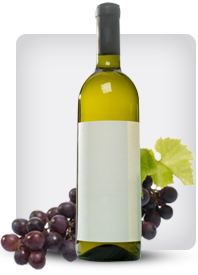
Featured wine
popular posts
-

— wp:heading {“level”:1} –> Aging Potential of Premium Malbec Malbec has long been celebrated as Argentina’s signature grape, a variety that found its spiritual home in the high-altitude vineyards of Mendoza
9-19 2026While many wine lovers enjoy Malbec for its plush, approachable fruit in youth, premium examples possess a depth, structure, and concentration that reward patient Read More
-
— wp:heading {“level”:1} –> Merlot Tasting Notes for Beginners Merlot is one of the most widely planted and widely enjoyed red grape varieties in the world
9-18 2026Known for its soft texture, ripe fruit flavors, and approachable style, it is an excellent choice for anyone beginning to explore wine. This guide Read More