
Red Wine Demystified: A Complete Guide to Choosing, Tasting, and Enjoying It
Posted on by RickieRed wine is one of the world’s most beloved beverages, yet it’s also one of the most misunderstood. From the dusty bottles on restaurant lists to the crowded shelves of your local wine shop, red wine can seem intimidating to newcomers and endlessly fascinating to seasoned enthusiasts. Whether you’re a curious beginner or a confident connoisseur, understanding red wine—how it’s made, how it tastes, and how to enjoy it—opens the door to a richer, more rewarding drinking experience. This guide breaks down everything you need to know.
What Makes Red Wine “Red”?
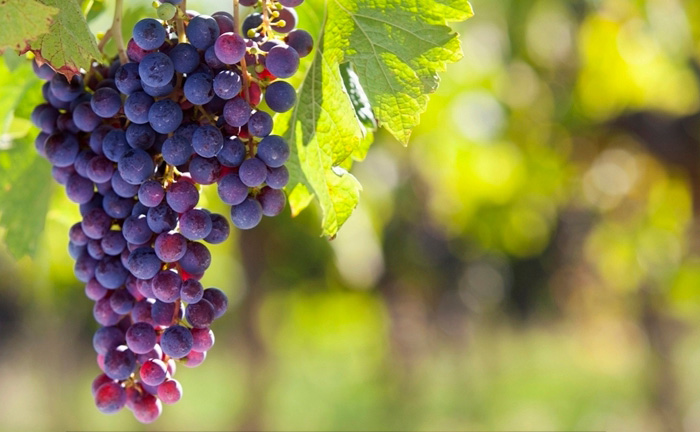
The answer is simpler than you might think: grape skins. Red wine is produced by fermenting grape juice together with the skins, seeds, and sometimes stems of dark-skinned grapes. This process, called maceration, extracts color, tannins, and flavor compounds. White wine, by contrast, is typically fermented without skin contact.
The length of maceration plays a major role in the final wine. A short contact period produces a light, pale wine, while extended maceration yields deep color and firm structure. This is why red wines range from translucent ruby to nearly opaque purple.
The Major Red Grape Varieties
Understanding a handful of key grapes is the fastest way to build confidence with red wine. Here are the essentials:
– Cabernet Sauvignon: Bold, full-bodied, and high in tannin, with flavors of blackcurrant, cedar, and graphite. A natural match for steak and aged cheese.
– Merlot: Softer and rounder than Cabernet, with plum and cherry notes. An approachable everyday red.
– Pinot Noir: Light-bodied, elegant, and aromatic, with red cherry, earth, and spice. Prized for its finesse rather than power.
– Syrah/Shiraz: Rich and peppery, with dark fruit and smoky notes. Styles range from savory French Syrah to fruit-forward Australian Shiraz.
– Tempranillo: The backbone of Spanish reds, offering leather, tobacco, and dried cherry flavors.
– Sangiovese: The soul of Chianti, known for bright acidity and savory cherry character—ideal with tomato-based dishes.
Learning these six grapes gives you a mental map that makes any wine list far less daunting.
How to Taste Red Wine Like a Pro
Tasting red wine is a skill anyone can develop. Follow these four steps:
1. Look: Tilt the glass against a white background. Note the color and intensity—a young wine tends toward purple, while an older one shifts toward brick or garnet.
2. Smell: Swirl the glass to release aromas, then take a slow sniff. Try to identify fruit, floral, earth, or oak notes.
3. Sip: Take a small sip and let it coat your mouth. Pay attention to sweetness, acidity, tannin (that drying sensation on your gums), body, and flavor intensity.
4. Savor: Notice the finish—how long the flavors linger after you swallow. A long finish is often a mark of quality.
There are no wrong answers in tasting. The goal is simply to notice and describe what you experience.
Food Pairing Made Simple
The old rule—red wine with meat, white with fish—is a useful starting point, but the real principle is balance. Match the weight of the wine to the weight of the dish: a delicate Pinot Noir suits roast chicken or mushroom risotto, while a powerful Cabernet stands up to lamb or grilled beef. High-acid wines like Sangiovese cut through rich, fatty foods beautifully. And don’t overlook cheese—firm aged cheeses pair wonderfully with structured reds.
Serving and Storing Red Wine
Temperature matters more than most people realize. Serve most reds at 60–68°F (16–20°C)—cooler than room temperature in many homes. Light wines like Pinot Noir benefit from the cooler end of that range, while bold wines can be served slightly warmer.
For storage, keep bottles away from light, heat, and vibration. If you plan to age wine, a consistent cool temperature (around 55°F/13°C) and moderate humidity are ideal. Once opened, a red wine stays fresh for roughly three to five days if recorded and refrigerated.
Common Myths, Debunked
– “Red wine must breathe for hours.” A quick decant helps young, tannic wines, but most bottles improve with just 15–30 minutes of air.
– “Sulfites cause headaches.” Sulfite levels in wine are modest; headaches are more often linked to dehydration or histamines.
– “Expensive always means better.” Price reflects scarcity and prestige as much as quality. Excellent red wine exists at every price point.
Conclusion
Red wine rewards curiosity. By learning the major grape varieties, practicing mindful tasting, and experimenting with food pairings, you transform a simple glass into an experience of place, craft, and history. Start with approachable styles like Merlot or Pinot Noir, explore beyond your comfort zone, and trust your own palate above all. The best red wine, ultimately, is the one you genuinely enjoy—so pour a glass, take your time, and discover what red wine has to offer you.
Tags: Guide, red, red wine, Tips, Wine
Copyright © 2026 Top Red Wine All rights reserved. .