
Merlot Wine Demystified: A Complete Guide to the World’s Most Misunderstood Red
Posted on by RickieMerlot wine has a reputation problem. Thanks to a certain 2004 film, an entire generation of drinkers wrote off Merlot as boring, flabby, and forgettable. That’s a shame, because Merlot is one of the most versatile, food-friendly, and historically significant red grapes on the planet. Whether you’re a curious beginner or a seasoned collector looking to revisit this classic varietal, this guide will walk you through everything you need to know about Merlot wine — from its origins in Bordeaux to the best bottles and food pairings to seek out today.
What Is Merlot Wine?
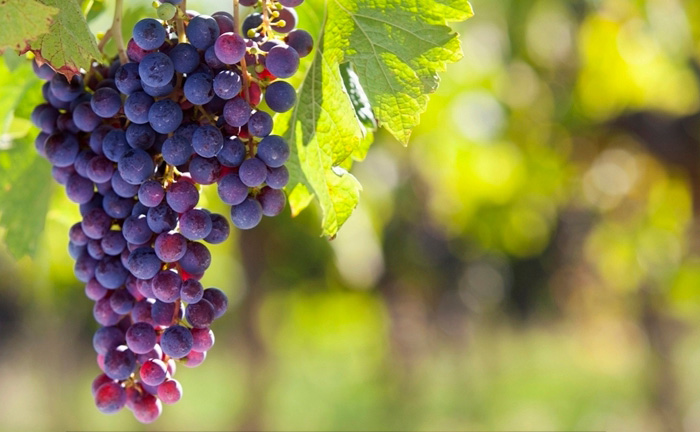
Merlot is a dark-skinned red grape variety that produces wines ranging from soft, fruit-forward, and approachable to structured, age-worthy, and complex. The name likely derives from the French word merle, meaning blackbird — a nod to the grape’s dark color and the birds’ fondness for the fruit.
As a varietal wine, Merlot is prized for its plum, black cherry, and chocolate notes, supple tannins, and relatively moderate acidity. As a blending partner — most famously with Cabernet Sauvignon in Bordeaux — it adds roundness, flesh, and early-drinking appeal to firmer, more tannic wines.
A Brief History: From Bordeaux to Global Stardom
Merlot’s homeland is the Right Bank of Bordeaux, where it thrives in the clay soils of appellations like Saint-Émilion and Pomerol. Wines such as Pétrus — almost entirely Merlot — have proven that the grape can produce some of the most expensive and celebrated red wines in the world.
From France, Merlot traveled to Italy, where it became a key blending grape in many “Super Tuscans,” and then to the New World. In the 1990s, Merlot exploded in popularity in the United States, becoming the country’s best-selling red wine for a time. Its easy-drinking nature made it a gateway wine for millions of new red wine drinkers — though mass-market plantings in less suitable sites also produced the bland, over-cropped wines that damaged its reputation.
How Merlot Wine Tastes
Merlot’s flavor profile shifts dramatically depending on climate and winemaking:
– Cool-climate Merlot (Bordeaux, northern Italy, coastal California): More structured and savory, with red plum, cedar, tobacco, and herbal notes.
– Warm-climate Merlot (Napa Valley, Chile, Australia): Riper and plusher, with black cherry, blackberry, chocolate, and mocha flavors.
– Old World vs. New World: French Merlot tends to be earthier and more restrained; New World versions lean fruitier and richer.
Across styles, Merlot is characterized by its soft, velvety tannins, medium-to-full body, and moderate acidity — qualities that make it exceptionally approachable in its youth.
Merlot vs. Cabernet Sauvignon: What’s the Difference?
This is the question every red wine lover eventually asks. The short answer: Cabernet Sauvignon is firmer, more tannic, and more structured, while Merlot is softer, rounder, and fruitier. Cabernet often shows blackcurrant and graphite; Merlot shows plum and chocolate. In Bordeaux blends, they’re complementary teammates rather than rivals — Cabernet provides the backbone, Merlot provides the flesh.
How to Choose a Great Bottle of Merlot Wine
Not all Merlot is created equal. Here’s how to find the good stuff:
1. Look beyond the bargain bin. Inexpensive Merlot can be thin and forgettable. Spending a little more — or choosing a reputable region — makes a dramatic difference.
2. Seek out quality regions. Saint-Émilion and Pomerol (France), Friuli and Tuscany (Italy), Napa and Washington State (USA), and Chile’s Colchagua Valley all produce excellent Merlot.
3. Check the alcohol and oak. High alcohol and heavy oak can mask Merlot’s charm. Balanced examples highlight fruit purity.
4. Try Right Bank blends. Merlot-dominant Bordeaux blends offer some of the best value in serious red wine.
Merlot Wine and Food Pairing
Merlot’s supple tannins and medium body make it one of the most food-flexible reds:
– Roast chicken or duck — a classic match, especially with Bordeaux
– Grilled steak and lamb — Merlot’s fruit balances char and richness
– Mushroom risotto and truffle dishes — earthy flavors echo the wine’s savory notes
– Tomato-based pastas and pizza — moderate acidity handles tomato well
– Soft cheeses — Brie, Camembert, and mild cheddar
Serve Merlot slightly below room temperature (around 60–65°F / 15–18°C) to keep it fresh and balanced.
The Bottom Line
Merlot wine deserves a second look. It is not a “lesser” red — it is a chameleon grape capable of producing everything from affordable weeknight pours to some of the most prestigious wines on Earth. If you dismissed Merlot years ago, now is the perfect time to revisit it. Start with a Right Bank Bordeaux or a Washington State Merlot, pair it with a simple roast chicken, and rediscover why this grape has been a cornerstone of fine wine for centuries.
Tags: Guide, Merlot, merlot wine, red wine, Tips, Wine
Copyright © 2026 Top Red Wine All rights reserved. .