
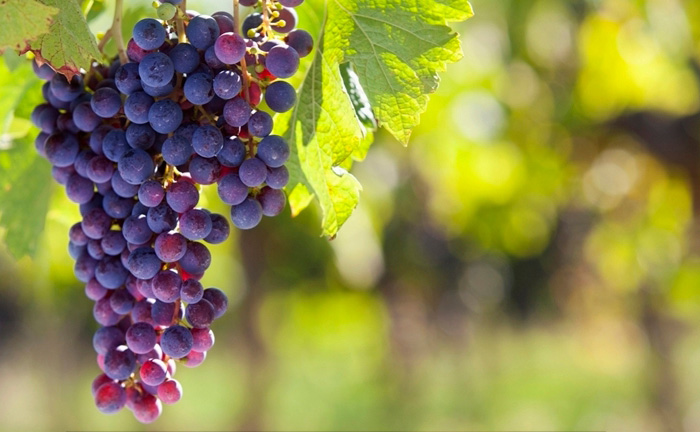
How Long to Decant Cabernet Sauvignon: A Guide to Unlocking Its Full Potential Cabernet Sauvignon, often hailed as the “king of red grapes,” is a wine built on structure, power, and complexity
Posted on by Rickie Its signature profile—bold dark fruit, firm tannins, and notes of cedar, tobacco, and graphite—can be tightly wound upon opening. Decanting is the essential ritual that coaxes this majestic wine from a closed, austere state into a harmonious, expressive masterpiece. But the critical question remains: how long should you decant a Cabernet Sauvignon?The answer is not a single number, but a spectrum influenced by the wine’s age, provenance, and style. Here’s a detailed guide to help you determine the perfect decanting time.
The Purpose of Decanting
Decanting serves two primary functions for Cabernet Sauvignon:
- Aeration: Exposure to oxygen softens harsh, grippy tannins and allows the wine’s layered aromas and flavors to unfold and integrate.
- Separation: It gently separates the clear wine from any sediment that may have formed in older bottles, ensuring a grit-free pour.
Decanting Times: A General Framework
| Wine Profile | Recommended Decanting Time | Key Characteristics |
| Young, Bold Cabernet (Under 5 years) | 1 to 3 hours | High tannin, primary fruit, potent. Needs significant air to soften and open. |
| Peak-Drinking Cabernet (5-15 years) | 30 minutes to 2 hours | Tannins are integrating, complexity is developing. Decant to polish and fully express secondary notes. |
| Mature, Older Cabernet (15+ years) | 15 minutes to 1 hour (or just sediment removal) | Fragile, with tertiary aromas. Decant gently for sediment; prolonged air can cause it to fade quickly. |
| Value/Everyday Cabernet | 30 minutes to 1 hour | Often benefits from a quick opening to smooth out edges and enhance fruit. |
Young, Tannic Cabernets (Under 5 Years Old)
These wines are often muscular and tightly coiled. Think of classic examples from Napa Valley, Bordeaux, or Coonawarra. Their tannins can be assertive, and the fruit may seem primary or muted.
Time: 1 to 3 hours. A lengthy decant is your best tool. It accelerates the aging process, softening the tannic structure and allowing the dark fruit, herbal, and oak-derived notes to emerge and marry. For a very powerful, extracted wine, err on the longer side.
Cabernets in Their Prime (5-15 Years Old)
This is often the sweet spot. The wine has started to integrate, with tannins softening and secondary characteristics like leather, earth, and cigar box appearing alongside the fruit.
Time: 30 minutes to 2 hours. Taste after 30 minutes. The goal is to polish the wine and allow its evolved complexity to shine without overwhelming its delicate, mature elements. Monitor it closely to catch it at its peak.
Mature, Older Vintages (15+ Years Old)
Handle with care. These wines are about finesse, nuance, and tertiary aromas (like dried leaves, truffle, and forest floor). They are more susceptible to oxidation.
Time: 15 minutes to 1 hour, primarily for sediment. Decant slowly to leave sediment behind. The aeration should be minimal—just enough to let the bouquet blossom. Often, these wines are best enjoyed shortly after opening, as they can deteriorate rapidly.
The Taste-Test Method: The Ultimate Guide
The most reliable technique is to taste the wine as it evolves.
- Pour a small taste immediately after opening. Note the tannin level, fruit intensity, and overall balance.
- Decant the rest into your carafe.
- Taste again every 20-30 minutes. You will experience the wine’s transformation firsthand.
- Serve when it hits its peak—when the tannins feel supple, the aromas are vibrant and complex, and the flavors are harmonious.
Practical Decanting Tips
- Use the Right Vessel: A wide-based decanter provides maximum surface area for aeration. For older wines, a slower pour into a simple carafe is sufficient.
- Stand the Bottle Upright: For wines expected to have sediment (generally 8+ years), stand the bottle upright for 24 hours before decanting to let sediment settle at the bottom.
- Pour Slowly and Steadily: Use a light source (a candle or flashlight) beneath the neck of the bottle. Stop pouring when you see the first traces of sediment reach the shoulder.
- When in Doubt, Under-Decant: You can always pour a glass early and let it evolve in the glass, but you can’t reverse over-oxidation.
Conclusion: Decanting Cabernet Sauvignon is an act of anticipation and respect. While a young, powerhouse Cab may need a 2-hour head start, a venerable old bottle might be ready in mere minutes. Let the wine’s age and character be your guide, and use the taste-test method to find its perfect moment. By mastering the art of the decant, you ensure that every bottle of Cabernet Sauvignon reveals the depth and brilliance it was meant to possess.
Tags: Built, Cabernet, complexity, Decant, Full, Grapes, Guide, hailed, king, Long, often, Potential, Power, Sauvignon, Structure, Unlocking, Wine, wpparagraph
Copyright © 2026 Top Red Wine All rights reserved. .