
Tag: celebrated
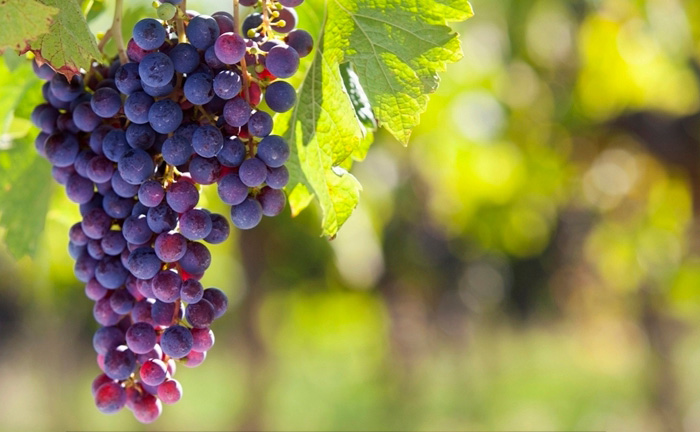
Why Pinot Noir is Difficult to Grow: The Heartbreak Grape’s Demanding Nature Pinot Noir, often called the “heartbreak grape,” is one of the world’s most celebrated and sought-after wine varieties
Posted onFrom the hallowed slopes of Burgundy to the cool coasts of California and New Zealand, it produces wines of unparalleled elegance, aromatic complexity, and ethereal texture. Yet, behind every sublime bottle lies a story of immense challenge. For viticulturists and winemakers, Pinot Noir is notoriously difficult to grow, presenting a unique set of obstacles that test skill, patience, and sometimes, sanity.
1. A Genetic Delicacy
At its core, Pinot Noir’s difficulty begins with its genetics. It is an ancient grape variety with a relatively thin genetic profile, making it less resilient than its robust cousins like Cabernet Sauvignon or Syrah.
* Thin Skins: Pinot Noir grapes have exceptionally thin skins. While this contributes to the wine’s characteristic light color, low tannin, and silky mouthfeel, it makes the berries highly vulnerable. They are susceptible to sunburn, physical damage from wind or hail, and rapid water uptake (which can dilute flavors).
* Tight Clusters: The grapes grow in compact, tightly packed clusters. This lack of airflow creates a humid microclimate perfect for the development of fungal diseases like botrytis bunch rot and powdery mildew. Any moisture trapped after rain or morning dew becomes a significant threat.
2. An Unforgiving Climate Conundrum
Pinot Noir is a Goldilocks grape—it demands a very specific and narrow climatic window.
* The Cool Climate Imperative: It thrives in cool, long, and consistent growing seasons. Too much heat accelerates sugar ripening before the delicate flavors (like red fruit, earth, and floral notes) and phenolic compounds (for structure) can fully develop, resulting in jammy, unbalanced wines.
* The Frost and Frost Danger: As an early-budding variety, Pinot Noir is acutely vulnerable to spring frosts. A single cold night after budbreak can wipe out an entire year’s crop. Conversely, an early autumn frost can halt ripening before harvest.
* Marginal Growing Regions: The quest for this perfect cool climate often pushes growers to “marginal” regions—places where the grape can just barely ripen. This is a high-stakes gamble where every vintage is at the mercy of the weather.
3. A Picky Palate for Terroir
More than perhaps any other grape, Pinot Noir is a transparent translator of *terroir*—the specific combination of soil, slope, and climate where it is grown. This sensitivity is a double-edged sword.
* Soil Specificity: It performs best in well-drained, limestone-rich soils (as in Burgundy’s Côte d’Or). It dislikes overly fertile soils, which promote excessive leaf growth at the expense of grape quality.
* Site Selection is Everything: A difference of a few meters in elevation or aspect (north vs. south-facing slope) can make or break a Pinot Noir vineyard. Finding the perfect “micro-site” requires deep understanding and often, trial and error.
* No Hiding Place: In the winery, Pinot Noir is typically made with minimal intervention (like heavy oak or blending). This means any flaws, imbalances, or deficiencies from the vineyard are starkly evident in the glass. There is nowhere to hide.
4. Demanding Vineyard Management
Growing Pinot Noir is labor-intensive and requires meticulous, hands-on attention.
* Canopy Management: To protect the thin-skinned grapes from sunburn while ensuring enough sunlight and airflow to prevent disease, growers must carefully manage the leaf canopy. This involves precise pruning, leaf plucking, and shoot positioning—tasks that often must be done by hand.
* Low Yields, High Costs: To achieve concentration and quality, yields must be kept deliberately low. This, combined with the high labor costs for meticulous care, makes Pinot Noir an expensive grape to farm. Economic sustainability is a constant concern.
* Precision Harvesting: Because of its uneven ripening tendency, grapes within a single cluster—or even on a single vine—can mature at different rates. Multiple passes through the vineyard to pick only the perfectly ripe clusters (triage) are common, further driving up costs.
The Reward for the Struggle
So why do growers persevere? The answer lies in the potential for transcendent wine. A successful Pinot Noir, grown in a harmonious site and nurtured through a perfect vintage, achieves a balance of power and delicacy, fruit and earth, aroma and texture that is unmatched. It is a wine of nuance, emotion, and place.
The very factors that make Pinot Noir so difficult—its delicacy, transparency, and sensitivity—are the same ones that make it so profoundly beautiful. In the end, the heartbreak of the grower is what delivers the heartbeat of a truly great Pinot Noir: a fragile, fleeting, and utterly captivating expression of the land itself.
Best Vintages for Argentine Malbec: A Guide to Exceptional Years Argentine Malbec has risen from a humble blending grape to a world-renowned icon, celebrated for its deep color, plush texture, and flavors of dark fruit and velvety tannins
Posted onWhile modern viticulture and winemaking ensure remarkable consistency year after year, certain vintages stand out as truly exceptional, offering wines with extraordinary concentration, balance, and aging potential. Understanding these standout years can elevate your tasting experience and inform your collecting strategy.
The key to Argentina’s vintage variation lies primarily in the high-altitude vineyards of Mendoza, particularly in sub-regions like the Uco Valley (Valle de Uco), Luján de Cuyo, and Maipú. The climate is continental and arid, making the timing and amount of snowfall in the Andes (the primary irrigation source) and the temperature patterns during the growing season the critical factors.
What Defines a Great Vintage?
A great vintage for Argentine Malbec typically features:
* A cool, dry growing season with significant diurnal temperature shifts (hot days, cold nights).
* A lack of significant heat spikes during the ripening period, which preserves acidity and prevents over-ripeness.
* A longer hang time, allowing for full phenolic ripeness (tannins, color, flavor) while maintaining freshness.
Standout Vintages of the Last Decade
* 2016: Universally hailed as a classic, perhaps the vintage of the century so far. A cool, long growing season produced Malbecs with stunning aromatic complexity, vibrant acidity, refined tannins, and a perfect balance between power and elegance. These are wines built for the long haul.
* 2019: An excellent vintage that followed a cooler-than-average season. The wines are aromatic, fresh, and beautifully structured, with a purity of fruit and silky textures. They are approachable now but have the backbone to age gracefully.
* 2020: Despite global challenges, the vintage conditions were outstanding. A dry, cool year resulted in lower yields but exceptionally concentrated wines with deep color, intense flavor, and remarkable freshness. Early indications suggest this is a top-tier vintage.
* 2021: Another cooler vintage, producing elegant, lower-alcohol Malbecs with bright acidity and pronounced floral and red fruit characteristics. These wines offer a different, more refined expression of Malbec.
Other Notable Vintages to Seek Out
* 2013: A cooler year that yielded elegant, age-worthy wines, often with a more European sensibility.
* 2017: A warmer vintage, producing ripe, powerful, and opulent wines that are generous and forward. Ideal for those who enjoy a richer style.
* 2018: A very good vintage with a warm, dry summer. The wines are ripe and concentrated but balanced, offering excellent quality across the board.
Vintage Considerations by Sub-Region
It’s important to note that microclimates can vary:
* Uco Valley (e.g., Paraje Altamira, Gualtallary, Los Chacayes): At the highest elevations, this region often excels in cooler vintages (like 2016, 2019, 2021), which highlight its natural acidity and mineral tension.
* Luján de Cuyo (e.g., Perdriel, Agrelo): Known for more structured, powerful Malbecs, this area can shine in both cool and moderately warm years, producing wines with great depth.
Practical Advice for Wine Lovers
For immediate enjoyment, look for the elegant and approachable wines of 2021 or the ripe, generous bottles from 2017 and 2018.
The legendary 2016 vintage is a must-have for any cellar. 2019 and the promising 2020 also offer superb aging potential.
Excellent vintages raise the tide for all boats. Even entry-level Malbecs from years like 2016, 2019, or 2020 will over-deliver on quality.
Conclusion
While Argentine Malbec is reliably delicious in nearly any year, seeking out the standout vintages—particularly 2016, 2019, 2020, and 2021—offers a chance to experience the variety at its most profound and complex. These wines capture the perfect alignment of climate and terroir, resulting in bottles that not only define the potential of Argentine Malbec but also provide unforgettable drinking pleasure for years to come. As always, the best vintage is the one shared with good company, but a little knowledge of the year on the label can make that moment even more special.
Cabernet Sauvignon: Reaching New Heights in High Altitude Vineyards For centuries, Cabernet Sauvignon has reigned as the king of red grapes, celebrated for its power, structure, and aging potential
Posted onTraditionally associated with the sun-drenched benches of Bordeaux and the famed valleys of Napa, this noble variety is now revealing a thrilling new dimension: its expression from high altitude vineyards. As viticulture pushes into the mountains and foothills of regions across the globe, winemakers are discovering that altitude is not a barrier, but a catalyst for producing some of the world’s most elegant, complex, and distinctive Cabernet Sauvignon.
The Science of Thin Air:
How Altitude Shapes the Grape
The transformation begins with the environment. High altitude vineyards, typically defined as those above 500 meters (1,640 feet) and often reaching 2,000 meters (6,560 feet) or more, create a unique set of growing conditions.
* Intensified Sunlight & UV Radiation: At higher elevations, the atmosphere is thinner, filtering less solar radiation. Grapes receive more intense sunlight and higher levels of ultraviolet (UV) rays. This stress triggers the vines to produce thicker grape skins as a natural sunscreen. For Cabernet Sauvignon, this translates to a greater concentration of color compounds (anthocyanins), tannins, and flavor precursors, all housed within that protective skin.
* Dramatic Diurnal Shifts: Mountain days are warm and sunny, allowing for optimal photosynthesis and sugar development. Nights, however, plunge to significantly cooler temperatures. This wide diurnal temperature variation allows the grapes to “rest,” slowing respiration and preserving crucial natural acidity. The result is a wine with the ripe fruit intensity expected of Cabernet, but framed by a vibrant, fresh acidity that provides balance and longevity.
* Well-Drained, Stressed Soils: High altitude sites are often characterized by rocky, poor, and free-draining soils—granite, schist, and volcanic rock are common. These soils force vine roots to dig deep for water and nutrients, naturally limiting vigor and yield. This “beneficial stress” concentrates the vine’s energy into fewer clusters, amplifying flavor and structural components.
A Taste of the Heights:
The Flavor Profile
The sensory profile of high altitude Cabernet Sauvignon departs from the richer, denser style of valley floor counterparts. Expect a wine of precision and energy:
* Aroma & Flavor: The fruit spectrum often leans towards cooler, darker tones—blackcurrant, black cherry, and blueberry—rather than jammy or stewed fruit. These are frequently layered with notes of violet, graphite, crushed rock, fresh herbs (like sage or thyme), and a distinctive peppery or floral lift.
* Structure: The hallmark is a compelling tension. The wines possess formidable tannins, but they are typically finer-grained and more integrated, feeling chalky or silky rather than grippy. The elevated natural acidity provides a linear drive and freshness that makes the wine feel lively in the mouth, not heavy.
* Alcohol & Body: While still full-bodied, these Cabernets often exhibit a slightly lower alcohol content compared to hotter, lower sites, as the cooler nights moderate sugar accumulation. This contributes to an overall impression of elegance and drinkability, even in youth.
Global Pioneers:
Regions Defining High Altitude Cabernet
The pursuit of altitude is a global phenomenon, with visionary producers seeking out mountainous terrain:
* Argentina (Mendoza – Uco Valley): The global poster child for high altitude viticulture. Vineyards here climb from 900 meters up to 1,500 meters in sub-regions like Paraje Altamira, Gualtallary, and Los Chacayes. Argentine high-altitude Cabernet (often blended with Malbec) is celebrated for its mineral intensity, aromatic purity, and vibrant acidity.
* United States (California – Sierra Foothills, Colorado): Beyond Napa, regions like El Dorado and Amador County in the Sierra Foothills cultivate Cabernet at elevations between 500-1,000 meters, yielding structured, aromatic wines. Colorado’s West Elks and Grand Valley AVAs, with vineyards over 1,400 meters, produce remarkably fresh and balanced examples.
* Italy (Trentino-Alto Adige, Sicily’s Etna): In Italy’s northern reaches, Cabernet finds a home at altitude, producing leaner, more herbal styles. On the slopes of Mount Etna, up to 1,000 meters, Cabernet Sauvignon planted in volcanic ash expresses unique smoky and savory characteristics.
* Other Notable Regions: Look to the foothills of the Andes in Chile (e.g., Maipo Alto), the Swartland mountains of South Africa, and even the nascent high-altitude projects in places like China’s Yunnan province.
The Challenge and the Reward
Farming at altitude is not for the faint of heart. Steep slopes necessitate manual labor, increasing cost and risk. Frost, hail, and intense wind are more prevalent threats. The shorter growing season requires meticulous timing. Yet, for those who embrace the challenge, the reward is in the bottle: Cabernet Sauvignon that speaks with a clear, terroir-driven voice, offering a compelling alternative narrative of power through finesse rather than sheer weight.
In conclusion, the exploration of high altitude vineyards represents one of the most exciting frontiers in modern winemaking. For Cabernet Sauvignon, a grape once synonymous with opulence, these elevated sites are refining its expression, gifting it with aromatic complexity, structural elegance, and a breathtaking sense of place. To taste a high altitude Cabernet is to taste the air, the rock, and the sun of the mountain—a truly elevated experience.
Organic Zinfandel from Lodi: A Testament to Terroir and Tradition Nestled in the heart of California’s Central Valley, the Lodi American Viticultural Area (AVA) has long been celebrated as a premier winegrowing region
Posted onWhile it boasts a diverse portfolio of varietals, it is the Zinfandel grape for which Lodi has earned global acclaim. In recent years, a powerful movement within this historic region has been gaining momentum: the rise of certified organic Zinfandel. This commitment to organic viticulture is not merely a trend but a profound return to the land’s roots, producing wines of exceptional character, purity, and expression.
The Lodi Terroir:
A Perfect Stage for Zinfandel
Lodi’s success with Zinfandel is no accident. The region benefits from a unique Mediterranean climate characterized by warm, sunny days and cool, breezy nights—a diurnal shift crucial for maintaining acidity and developing complex flavors in the grapes. The soils, primarily deep, sandy loam over clay subsoils, provide excellent drainage, stressing the vines just enough to concentrate flavors while allowing deep root systems to develop.
This terroir is ideally suited to old-vine Zinfandel, with some gnarly, head-trained vineyards dating back to the late 19th century. These ancient vines, with their low yields and intense focus, are the living history of Lodi and form the backbone of its most sought-after wines.
The Organic Philosophy:
Beyond the Vine
Choosing the organic path in Lodi is a deliberate and rigorous decision. Certified organic vineyards, as regulated by the USDA’s National Organic Program, forego all synthetic pesticides, herbicides, and fertilizers. Instead, growers employ a holistic system:
* Soil Health as Foundation: The focus shifts to building vibrant, living soil through compost, cover cropping (like mustard and legumes), and natural amendments. Healthy soil fosters resilient vines and imparts a true sense of place—*terroir*—to the wine.
* Biodiversity as Pest Management: By encouraging beneficial insects, birds, and native plants, organic vineyards create a balanced ecosystem that naturally manages pests and diseases.
* Dry Farming and Careful Water Management: Many organic growers utilize dry-farming techniques or precise irrigation to encourage deep roots, further stressing the vines for more flavorful fruit.
In the winery, the organic ethos continues. Certified organic wines must use organically grown grapes and restrict the use of synthetic additives during fermentation and aging, allowing the authentic fruit character to shine.
The Taste of Organic Lodi Zinfandel
So, what does this meticulous care translate to in the glass? Organic Lodi Zinfandel often displays a remarkable clarity and vitality.
* Aromatic Purity: Expect vibrant, unadulterated aromas of ripe blackberry, juicy raspberry, and dark plum, frequently accented by notes of black pepper, licorice, and a characteristic dusty, brambly quality that is pure Lodi.
* Balanced Structure: While Zinfandel is known for its robust fruit, organically grown versions from Lodi often show enhanced balance. The natural farming practices can lead to better acid retention, resulting in wines that are rich but not heavy, with smooth tannins and a freshness that lifts the palate.
* Complexity and Authenticity: Freed from the masking effects of chemical inputs, these wines offer a more transparent expression of their specific vineyard site. You can taste the sun-baked earth, the granite, and the history of the old vines.
A Commitment to the Future
For the vintners of Lodi, organic farming is both an ethical commitment and a quality-oriented pursuit. It’s about stewardship—preserving the health of the land for future generations while capturing its essence in the bottle today. This philosophy resonates deeply with a growing segment of wine lovers who seek authenticity and sustainability in their choices.
Notable Lodi AVA Producers to Explore:
Seek out wineries like Bokisch Vineyards, McCay Cellars, Fields Family Wines, and LangeTwins Family Winery & Vineyards (a leader in sustainable and organic practices) to experience the pinnacle of organic Zinfandel. Many of these producers highlight specific, historic vineyards on their labels, offering a delicious geography lesson in a glass.
Conclusion
Organic Zinfandel from Lodi represents a beautiful synergy between California’s winemaking heritage and a forward-thinking agricultural vision. It is a wine that tells a story—of ancient vines, of sun-drenched soils nurtured without chemicals, and of winemakers dedicated to purity of expression. Whether you are a Zinfandel aficionado or an explorer of sustainable wines, a bottle of organic Lodi Zinfandel offers a deeply satisfying taste of place, passion, and principle. It is a testament to the fact that when you care for the land, the land returns the favor in every sip.
Organic Zinfandel from Lodi: A Testament to Sustainable Winemaking Nestled in California’s Central Valley, the Lodi region has long been celebrated for its rich viticultural heritage. Among its most distinguished offerings is Organic Zinfandel—a wine that embodies both tradition and innovation. With a commitment to sustainable farming and artisanal craftsmanship, Lodi’s winemakers are producing Zinfandels that captivate the palate while respecting the environment. The Essence of Lodi’s Organic Zinfandel
Posted onLodi’s Mediterranean climate, marked by warm days and cool evenings, provides an ideal terroir for Zinfandel grapes. Organic farming practices further enhance the quality of the fruit, eliminating synthetic pesticides and fertilizers in favor of natural alternatives. The result is a wine with vibrant fruit flavors—think blackberry, raspberry, and dark cherry—complemented by subtle spice and earthy undertones.
Sustainability at the Core
Beyond taste, what sets Organic Zinfandel from Lodi apart is its dedication to sustainability. Many vineyards in the region are certified organic or biodynamic, prioritizing soil health, water conservation, and biodiversity. These practices not only yield superior grapes but also ensure the longevity of the land for future generations.
Pairing and Enjoyment
This versatile wine pairs beautifully with a variety of dishes. Its bold fruit profile complements grilled meats, while its balanced acidity makes it an excellent match for tomato-based pasta or aged cheeses. Serve slightly below room temperature (around 60°F) to fully appreciate its complexity.
Whether you’re a seasoned oenophile or a casual wine enthusiast, Organic Zinfandel from Lodi offers a sip of California’s finest—crafted with care for both people and the planet.
Featured wine
popular posts
-
Zinfandel Wine Explained: A Complete Guide to California’s Signature Red
11-02 2026Zinfandel wine is one of the most distinctive and beloved red wines in the world—and one of the most misunderstood. Bold, fruit-forward, and... Read More
-
Merlot Wine Demystified: A Complete Guide to the World’s Most Misunderstood Red
11-02 2026Merlot wine has a reputation problem. Thanks to a certain 2004 film, an entire generation of drinkers wrote off this noble grape as boring, Read More