
Zinfandel Wine Explained: A Complete Guide to California’s Signature Red
Posted on by RickieZinfandel wine is one of the most distinctive and beloved red wines in the world—and one of the most misunderstood. Bold, fruit-forward, and endlessly versatile, Zinfandel has become a cornerstone of California winemaking while carrying a fascinating history that stretches across continents. Whether you’re a curious newcomer or a seasoned enthusiast looking to deepen your knowledge, this comprehensive guide will walk you through everything you need to know about Zinfandel wine: its origins, flavor profile, food pairings, and how to choose the right bottle.
The Origins and History of Zinfandel
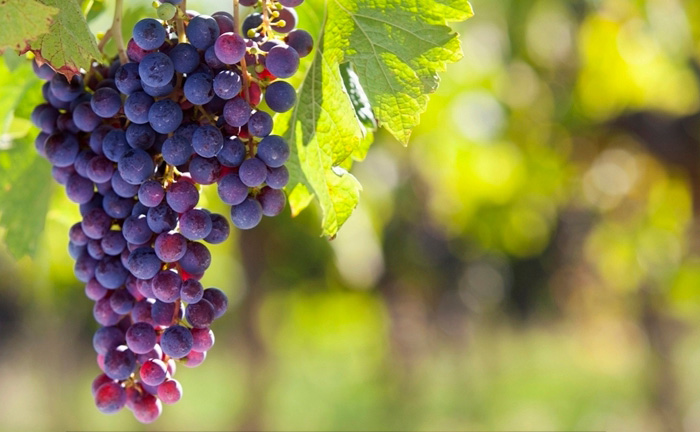
Zinfandel’s story is one of the most intriguing in the wine world. Long considered a uniquely American grape, Zinfandel was eventually traced through DNA analysis to Croatia, where it is known as Tribidrag (and also as Primitivo in southern Italy). Croatian immigrants likely brought vine cuttings to the United States in the 19th century, and by the late 1800s, Zinfandel had become one of California’s most widely planted grape varieties.
During Prohibition, Zinfandel survived largely because home winemakers continued to cultivate it. In the decades that followed, it became a workhorse grape—used for everything from robust reds to White Zinfandel, the sweet blush wine that exploded in popularity during the 1970s and 1980s. Today, Zinfandel has reclaimed its reputation as a premium red wine grape, with old-vine plantings—some over a century old—producing some of California’s most celebrated wines.
Understanding the Zinfandel Flavor Profile
Zinfandel wine is renowned for its bold, expressive character. While styles vary widely, most red Zinfandels share several hallmark traits:
– Aromas: Ripe blackberry, raspberry, cherry, and plum, often layered with notes of black pepper, cinnamon, and dried herbs.
– Palate: Full-bodied with moderate-to-high alcohol (typically 14–16% ABV), juicy fruit flavors, and soft, approachable tannins.
– Finish: Often warm and lingering, with hints of vanilla and spice from oak aging.
A key characteristic of Zinfandel is its uneven ripening—grape clusters on the same vine can contain both underripe and overripe berries. Skilled winemakers manage this by harvesting in multiple passes, which contributes to the grape’s complex, layered flavor profile.
Old Vine vs. Younger Vine Zinfandel
“Old Vine” Zinfandel (often labeled from vines 50+ years old) tends to produce wines with greater depth, concentration, and complexity. These low-yield vines deliver intensely flavored fruit with a distinctive character that younger plantings struggle to match. When shopping, look for “Old Vine” designations—they’re often worth the premium.
Zinfandel vs. Primitivo: What’s the Difference?
Because Zinfandel and Primitivo are genetically identical, wine lovers often ask how they differ. The distinction lies primarily in style and terroir. Italian Primitivo, grown in Puglia, tends to be slightly more rustic, with higher tannins and earthier notes. California Zinfandel is typically riper, jammier, and higher in alcohol. Think of them as siblings raised in different homes—same DNA, different personalities.
Food Pairing: What to Serve with Zinfandel Wine
Zinfandel’s bold fruit and moderate tannins make it remarkably food-friendly. Its natural acidity cuts through richness, while its peppery spice complements grilled and smoked dishes.
Excellent pairings include:
– Barbecued ribs, brisket, and pulled pork
– Grilled burgers and sausages
– Pizza with spicy toppings
– Aged cheddar and gouda
– Hearty stews and chili
– Dark chocolate desserts (with sweeter, fruit-forward styles)
Avoid pairing Zinfandel with delicate fish or light salads—the wine’s intensity will overwhelm subtle flavors.
How to Choose and Serve Zinfandel Wine
When selecting a Zinfandel, consider the style you’re after. Claret-style Zinfandels are lighter, more elegant, and lower in alcohol—reminiscent of Bordeaux. Late-harvest styles are rich, concentrated, and higher in alcohol, ideal for sipping or pairing with bold cuisine.
Serve red Zinfandel slightly below room temperature—around 60–65°F (15–18°C) —to tame the alcohol and highlight the fruit. Use a large-bowled glass to allow the wine’s aromas to open up, and decant high-alcohol bottlings for 30–60 minutes to soften their intensity.
Conclusion
Zinfandel wine is a grape with a remarkable story and an equally remarkable range. From its Croatian roots to its status as a California icon, Zinfandel delivers bold fruit, spicy complexity, and incredible versatility at the table. Whether you’re exploring old-vine bottlings from Sonoma and Paso Robles or comparing it against Italian Primitivo, Zinfandel rewards curiosity and offers exceptional value. Next time you’re browsing the red wine aisle, reach for a bottle of Zinfandel—you’ll discover one of the wine world’s most underappreciated treasures.
Tags: Guide, red wine, Tips, Wine, zinfandel, zinfandel wine
Copyright © 2026 Top Red Wine All rights reserved. .