
Merlot Wine Demystified: A Complete Guide to the World’s Most Misunderstood Red
Posted on by RickieMerlot wine has a reputation problem. Thanks to a certain 2004 film, an entire generation of drinkers wrote off this noble grape as boring, soft, and unworthy of attention. That’s a shame, because merlot wine is one of the most versatile, food-friendly, and quietly complex red wines on the planet. Whether you’re a curious beginner or a seasoned collector revisiting an old friend, this guide will walk you through everything you need to know about merlot wine — from its history and flavor profile to the regions that produce it best and how to serve it like a pro.
What Is Merlot Wine?
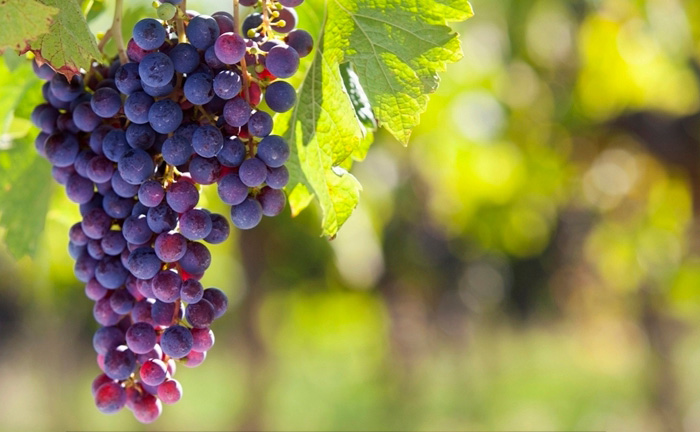
Merlot is a dark-skinned red grape variety and the wine made from it. The name likely derives from the French merle, or blackbird — a nod to the grape’s dark color and the birds’ fondness for the fruit. Merlot wine is known for its plush texture, moderate tannins, and flavors of dark plum, black cherry, and chocolate, often accented by herbal or cedar notes as it ages.
Genetically, merlot is a descendant of cabernet franc (and a half-sibling of cabernet sauvignon), which explains its family resemblance to both — though merlot wine is typically softer and more approachable in its youth.
A Brief History of Merlot Wine
Merlot’s modern story begins in Bordeaux, France, where it has been cultivated since at least the 18th century. It became a cornerstone of the Right Bank appellations — Saint-Émilion and Pomerol — where it produces some of the most sought-after and expensive wines in the world, including the legendary Château Pétrus.
Merlot’s global breakout came in the 1990s, when its soft, generous character made it a hit with New World drinkers. Plantings exploded from California to Chile to Australia. Then came the backlash: the “Sideways effect” of 2004 sent American merlot sales tumbling almost overnight. The grape has spent two decades recovering — and today, informed drinkers are rediscovering what makes merlot wine special.
The Flavor Profile: What Does Merlot Wine Taste Like?
Merlot wine is medium- to full-bodied with moderate acidity and relatively soft tannins. Classic tasting notes include:
– Fruit: Black cherry, plum, blackberry, and boysenberry
– Secondary notes: Chocolate, mocha, cedar, and graphite
– Herbal touches: Bay leaf, mint, and tobacco leaf
– Aging notes: Fig, leather, and truffle in mature examples
The grape’s relatively low tannin and high glycerol content give merlot wine its signature velvety mouthfeel — a texture that makes it exceptionally drinkable young while still rewarding cellaring in top bottlings.
Merlot Wine Around the World
Bordeaux, France. On the Right Bank, merlot wine reaches its pinnacle. Wines from Pomerol and Saint-Émilion are rich, structured, and capable of aging for decades. Look for producers like Pétrus, Château Ausone, and Château Cheval Blanc.
Napa Valley and Washington State, USA. California merlot tends toward riper, plummier fruit, while Washington’s Columbia Valley produces merlot wine with remarkable elegance and structure. Duckhorn and Leonetti are benchmark producers.
Chile. Chilean merlot from the Colchagua Valley offers outstanding value — soft, juicy, and food-friendly at accessible prices.
Italy. In Tuscany, merlot is a key component of many “Super Tuscan” blends and appears as a varietal wine in its own right, most famously Masseto.
How to Pair and Serve Merlot Wine
Merlot wine’s moderate tannins and generous fruit make it one of the most food-flexible reds in existence. Classic pairings include:
– Roast chicken and duck
– Grilled steak and lamb
– Mushroom risotto and truffle dishes
– Tomato-based pastas and pizza
– Aged cheeses like gouda and cheddar
Serve merlot wine at 60–65°F (15–18°C) — slightly below room temperature. For younger bottles, decanting for 30–60 minutes softens the fruit and opens aromatics; older vintages benefit from a gentle pour and immediate service.
Buying and Storing Merlot Wine
When shopping, remember that price and quality don’t always align. Entry-level merlot wine from Chile or southern France offers excellent everyday value, while top Bordeaux bottlings command four-figure sums. Store bottles horizontally in a cool, dark place at 55°F (13°C) if you plan to age them. Most merlot wine is best enjoyed within three to five years of release, though premium examples can improve for 15 years or more.
Conclusion
Merlot wine deserves better than its reputation. It is a grape of remarkable range — capable of producing everything from affordable weeknight pours to some of the most profound red wines in the world. Soft enough to please newcomers, complex enough to satisfy collectors, and versatile enough to pair with nearly anything on your table, merlot wine earns its place in every enthusiast’s cellar. The next time you see a bottle, don’t skip past it — give merlot wine the second chance it has long deserved.
Tags: Guide, Merlot, merlot wine, red wine, Tips, Wine
Copyright © 2026 Top Red Wine All rights reserved. .