
Zinfandel Tasting Notes for Beginners Zinfandel is one of the most expressive and approachable red wines for those new to wine tasting
Posted on by RickieKnown for its bold fruit flavors, soft tannins, and often higher alcohol content, Zinfandel offers a welcoming entry point into the world of red varietals. This guide breaks down the essential tasting notes and sensory characteristics to help beginners confidently describe and enjoy a glass of Zinfandel.
First Impressions:
The Appearance
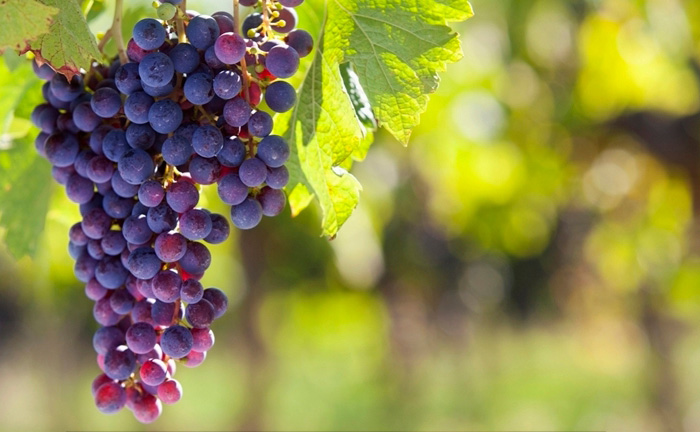
Before the first sip, observe the wine in your glass. A young Zinfandel typically displays a deep, opaque ruby or purple core that fades to a lighter garnet edge. As the wine ages, the color shifts toward brick-red or amber at the rim, indicating development. Beginners should note that the intensity of the color often hints at the wine’s body and concentration, though Zinfandel’s naturally dark hue is a hallmark of the grape.
The Aroma:
A Fruit-Forward Bouquet
Swirl the glass gently to release the wine’s aromatic compounds. Zinfandel is celebrated for its generous, ripe fruit aromas that are immediately recognizable:
These dark berry notes dominate, often reminiscent of jam or preserves, especially in warmer-climate expressions.
In cooler regions, brighter red fruit aromas emerge, adding a touch of freshness.
A hallmark of Zinfandel is a subtle white or black pepper note, along with hints of clove, cinnamon, or even a whisper of licorice, stemming from both the grape and oak aging.
If the wine was aged in American oak, expect vanilla, coconut, or dill nuances. French oak tends to contribute more subtle toast and smoke.
For beginners, a simple exercise is to identify just two or three primary fruit aromas before moving on to spice or oak. This builds confidence without overwhelming the senses.
The Palate:
Bold, Juicy, and Balanced
The first sip reveals Zinfandel’s signature character. Expect a medium-to-full body with a lush, almost sweet impression of fruit, even though most Zinfandels are dry. Key palate notes include:
The dark berry and cherry notes from the nose carry through, often with a concentrated, slightly sweet-tasting quality. This is a result of very ripe grapes and high sugar levels at harvest.
Zinfandel frequently reaches 14.5% to 16% alcohol by volume. You may feel a gentle warmth at the back of the throat, which should be balanced by acidity and fruit concentration rather than feeling harsh or “hot.”
Compared to varieties like Cabernet Sauvignon, Zinfandel’s tannins are typically softer and more rounded, making it feel smooth and easy to drink. The wine may leave a slight drying sensation on the gums, but it should not be astringent.
While dry, the ripe fruit flavors can create a perception of sweetness. This makes Zinfandel an excellent bridge for those transitioning from white or sweeter wines.
The Finish:
Lingering and Satisfying
A quality Zinfandel leaves a medium-to-long finish. The final impression often echoes the dark fruit and spice, with a pleasant warmth from the alcohol. Some older or more complex bottles may reveal earthy, leathery, or tobacco nuances on the finish, adding depth. For beginners, evaluate whether the finish feels balanced—does the fruit fade gracefully, leaving a clean, slightly peppery aftertaste?
Regional Variations Worth Knowing
While Zinfandel is grown worldwide, two regions define its style:
These wines are typically ripe, jammy, and full-bodied, with high alcohol and rich oak influence. They are the classic “fruit bomb” style.
Here, Zinfandel is often more restrained, with higher acidity, lighter body, and more herbal or earthy notes.
Beginners may find California Zinfandel more immediately appealing, while Croatian examples offer a fascinating study in terroir.
Practical Tips for Tasting Zinfandel
60–65°F (15–18°C) is ideal. Over-chilling mutes the aromas; serving too warm makes the alcohol more prominent.
This allows the wine to breathe and concentrates the aromas.
Zinfandel’s fruit-forward profile pairs beautifully with grilled meats, barbecue, spicy dishes, and aged cheeses. The wine’s sweetness perception helps tame heat and smoke.
Write down the colors, aromas, flavors, and how the wine feels in your mouth. Over time, you’ll develop a personal tasting vocabulary.
Final Thoughts
Zinfandel is a forgiving and rewarding wine for beginners. Its unapologetic fruitiness, smooth texture, and generous body make it an instant crowd-pleaser, while its complexity offers layers to explore as your palate evolves. Whether you’re enjoying a casual glass with pizza or a premium old-vine bottling on a special occasion, Zinfandel invites you to trust your senses and savor the experience.
Remember, there are no wrong answers in wine tasting—only personal preferences. Use these notes as a guide, but let your own palate be the final judge. Cheers!
Tags: approachable, Beginners Zinfandel, expressive, most, Notes, Tasting, those, Wine, Wines, zinfandel
Copyright © 2026 Top Red Wine All rights reserved. .