
Merlot Wine Demystified: A Complete Guide to the World’s Most Misunderstood Red
Posted on by RickieMerlot wine has a reputation problem. Thanks to a certain 2004 film, an entire generation of drinkers wrote off Merlot as boring, flabby, and unworthy of attention. Yet the truth is far more interesting. Merlot is one of the most widely planted grape varieties on Earth, the backbone of some of the world’s most expensive wines, and a remarkably versatile red that deserves a place in every wine lover’s rotation. Whether you’re a curious beginner or a seasoned collector revisiting an old friend, this guide will walk you through everything you need to know about Merlot wine—from its history and flavor profile to food pairings and buying advice.
What Is Merlot Wine?
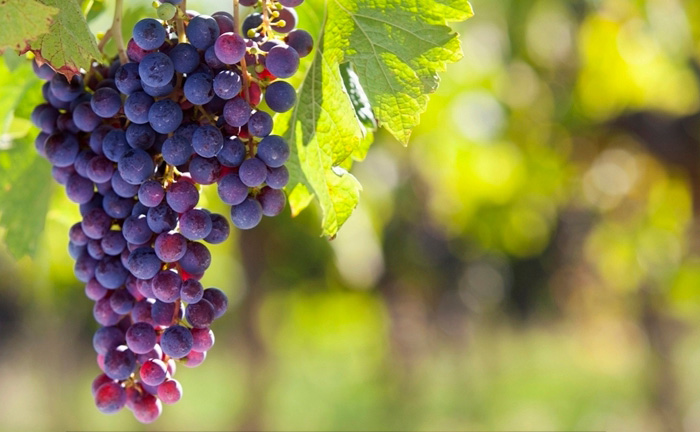
Merlot is a dark-skinned red grape variety that originated in the Bordeaux region of France. The name is thought to derive from the French word merle, meaning “blackbird”—possibly a nod to the birds’ fondness for the grapes, or to the fruit’s dark, inky color. It is an early-ripening grape with relatively thin skins, which gives Merlot wine its signature softness and approachability.
Today, Merlot is grown worldwide, with significant plantings in France, Italy, the United States, Chile, Australia, and Eastern Europe. It is also one of the most important blending grapes in the world, particularly in Bordeaux, where it is routinely blended with Cabernet Sauvignon and Cabernet Franc.
The Flavor Profile: What Does Merlot Wine Taste Like?
Merlot wine is prized for its smooth, rounded texture and fruit-forward character. Classic tasting notes include:
– Dark fruit: plum, black cherry, blackberry, and ripe raspberry
– Secondary notes: chocolate, cedar, vanilla, and mocha (especially in oak-aged styles)
– Earthy undertones: graphite, forest floor, and dried herbs in Old World expressions
Structurally, Merlot sits on the softer side of the red wine spectrum. Its tannins are moderate and velvety rather than grippy, its acidity is medium, and its alcohol is moderate to medium-high. This combination makes Merlot wine exceptionally drinkable—both on its own and alongside food.
Old World vs. New World Merlot
The character of Merlot wine shifts dramatically depending on where it’s grown.
Old World (France, Italy): Bordeaux Merlot tends to be more structured and restrained, with earthy, savory notes, firmer tannins, and moderate alcohol. The legendary wines of Pomerol and Saint-Émilion—including the fabled Château Pétrus—are Merlot-dominant and demonstrate the grape’s capacity for extraordinary complexity and ageworthiness.
New World (USA, Chile, Australia): Warmer climates produce riper, plusher Merlots with bold fruit, higher alcohol, and generous oak influence. California’s Napa Valley and Washington State’s Columbia Valley are standout American regions, while Chile has become a global powerhouse for value-driven Merlot wine.
Merlot Wine and Food Pairing
Merlot’s moderate tannins and smooth texture make it one of the most food-friendly reds in existence. Consider these pairings:
– Roast chicken or duck — a classic match for medium-bodied Merlot
– Grilled steak and burgers — the fruit and acidity cut through richness
– Mushroom risotto or pasta with tomato sauce — earthy notes align beautifully
– Hard cheeses such as aged cheddar, Gouda, or Parmesan
– Charcuterie boards — Merlot’s softness complements cured meats without overwhelming them
For Bordeaux-style blends, slow-braised meats and hearty stews are ideal.
How to Buy and Serve Merlot Wine
When shopping for Merlot, look beyond the bottom shelf. Entry-level bottles can be pleasant and affordable, but mid-tier and premium Merlots offer markedly more depth. Expect to pay $15–$30 for a solid everyday bottle and $50+ for serious expressions from Bordeaux, Napa, or Washington.
Serve Merlot slightly below room temperature—around 60–65°F (15–18°C)—and decant full-bodied or oak-aged examples for 30–60 minutes to let them open up. Use a large-bowled glass to capture the wine’s aromatics.
Common Myths About Merlot Wine
The biggest misconception is that Merlot is inherently simple. In reality, the grape’s thin skins and early ripening make it sensitive to overcropping and poor winemaking—which is exactly why so much mediocre Merlot exists. Produced carefully, Merlot delivers plush texture, complex aromatics, and impressive aging potential. It is also, notably, the grape that makes many of the world’s most expensive wines possible.
Conclusion
Merlot wine is far more than the punchline of a wine-country comedy. It is a chameleon grape—soft and generous in everyday bottlings, profound and long-lived in the world’s greatest terroirs. Its versatility with food, its approachable texture, and its role in some of the most celebrated wines on the planet make it an essential part of any red wine education. Whether you’re pouring a weeknight Chilean Merlot or uncorking a mature Pomerol, give this noble grape the second chance it has long deserved.
Tags: Guide, Merlot, merlot wine, red wine, Tips, Wine
Copyright © 2026 Top Red Wine All rights reserved. .