
Tag: Tips
Red Wine Demystified: A Complete Guide to Choosing, Tasting, and Enjoying It
Posted onRed wine is one of the world’s most beloved beverages, yet it’s also one of the most misunderstood. From the dusty bottles on restaurant lists to the crowded shelves of your local wine shop, red wine can seem intimidating to newcomers and endlessly fascinating to seasoned enthusiasts. Whether you’re a curious beginner or a confident connoisseur, understanding red wine—how it’s made, how it tastes, and how to enjoy it—opens the door to a richer, more rewarding drinking experience. This guide breaks down everything you need to know.
What Makes Red Wine “Red”?
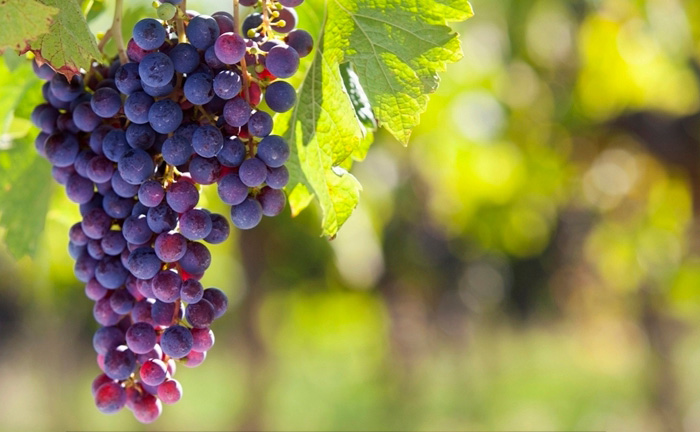
The answer is simpler than you might think: grape skins. Red wine is produced by fermenting grape juice together with the skins, seeds, and sometimes stems of dark-skinned grapes. This process, called maceration, extracts color, tannins, and flavor compounds. White wine, by contrast, is typically fermented without skin contact.
The length of maceration plays a major role in the final wine. A short contact period produces a light, pale wine, while extended maceration yields deep color and firm structure. This is why red wines range from translucent ruby to nearly opaque purple.
The Major Red Grape Varieties
Understanding a handful of key grapes is the fastest way to build confidence with red wine. Here are the essentials:
– Cabernet Sauvignon: Bold, full-bodied, and high in tannin, with flavors of blackcurrant, cedar, and graphite. A natural match for steak and aged cheese.
– Merlot: Softer and rounder than Cabernet, with plum and cherry notes. An approachable everyday red.
– Pinot Noir: Light-bodied, elegant, and aromatic, with red cherry, earth, and spice. Prized for its finesse rather than power.
– Syrah/Shiraz: Rich and peppery, with dark fruit and smoky notes. Styles range from savory French Syrah to fruit-forward Australian Shiraz.
– Tempranillo: The backbone of Spanish reds, offering leather, tobacco, and dried cherry flavors.
– Sangiovese: The soul of Chianti, known for bright acidity and savory cherry character—ideal with tomato-based dishes.
Learning these six grapes gives you a mental map that makes any wine list far less daunting.
How to Taste Red Wine Like a Pro
Tasting red wine is a skill anyone can develop. Follow these four steps:
1. Look: Tilt the glass against a white background. Note the color and intensity—a young wine tends toward purple, while an older one shifts toward brick or garnet.
2. Smell: Swirl the glass to release aromas, then take a slow sniff. Try to identify fruit, floral, earth, or oak notes.
3. Sip: Take a small sip and let it coat your mouth. Pay attention to sweetness, acidity, tannin (that drying sensation on your gums), body, and flavor intensity.
4. Savor: Notice the finish—how long the flavors linger after you swallow. A long finish is often a mark of quality.
There are no wrong answers in tasting. The goal is simply to notice and describe what you experience.
Food Pairing Made Simple
The old rule—red wine with meat, white with fish—is a useful starting point, but the real principle is balance. Match the weight of the wine to the weight of the dish: a delicate Pinot Noir suits roast chicken or mushroom risotto, while a powerful Cabernet stands up to lamb or grilled beef. High-acid wines like Sangiovese cut through rich, fatty foods beautifully. And don’t overlook cheese—firm aged cheeses pair wonderfully with structured reds.
Serving and Storing Red Wine
Temperature matters more than most people realize. Serve most reds at 60–68°F (16–20°C)—cooler than room temperature in many homes. Light wines like Pinot Noir benefit from the cooler end of that range, while bold wines can be served slightly warmer.
For storage, keep bottles away from light, heat, and vibration. If you plan to age wine, a consistent cool temperature (around 55°F/13°C) and moderate humidity are ideal. Once opened, a red wine stays fresh for roughly three to five days if recorded and refrigerated.
Common Myths, Debunked
– “Red wine must breathe for hours.” A quick decant helps young, tannic wines, but most bottles improve with just 15–30 minutes of air.
– “Sulfites cause headaches.” Sulfite levels in wine are modest; headaches are more often linked to dehydration or histamines.
– “Expensive always means better.” Price reflects scarcity and prestige as much as quality. Excellent red wine exists at every price point.
Conclusion
Red wine rewards curiosity. By learning the major grape varieties, practicing mindful tasting, and experimenting with food pairings, you transform a simple glass into an experience of place, craft, and history. Start with approachable styles like Merlot or Pinot Noir, explore beyond your comfort zone, and trust your own palate above all. The best red wine, ultimately, is the one you genuinely enjoy—so pour a glass, take your time, and discover what red wine has to offer you.
Merlot Wine Demystified: A Complete Guide to the World’s Most Misunderstood Red
Posted onMerlot wine has a reputation problem. Thanks to a certain 2004 film, an entire generation of drinkers wrote off Merlot as boring, flabby, and forgettable. That’s a shame, because Merlot is one of the most versatile, food-friendly, and historically significant red grapes on the planet. Whether you’re a curious beginner or a seasoned collector looking to revisit this classic varietal, this guide will walk you through everything you need to know about Merlot wine — from its origins in Bordeaux to the best bottles and food pairings to seek out today.
What Is Merlot Wine?
Merlot is a dark-skinned red grape variety that produces wines ranging from soft, fruit-forward, and approachable to structured, age-worthy, and complex. The name likely derives from the French word merle, meaning blackbird — a nod to the grape’s dark color and the birds’ fondness for the fruit.
As a varietal wine, Merlot is prized for its plum, black cherry, and chocolate notes, supple tannins, and relatively moderate acidity. As a blending partner — most famously with Cabernet Sauvignon in Bordeaux — it adds roundness, flesh, and early-drinking appeal to firmer, more tannic wines.
A Brief History: From Bordeaux to Global Stardom
Merlot’s homeland is the Right Bank of Bordeaux, where it thrives in the clay soils of appellations like Saint-Émilion and Pomerol. Wines such as Pétrus — almost entirely Merlot — have proven that the grape can produce some of the most expensive and celebrated red wines in the world.
From France, Merlot traveled to Italy, where it became a key blending grape in many “Super Tuscans,” and then to the New World. In the 1990s, Merlot exploded in popularity in the United States, becoming the country’s best-selling red wine for a time. Its easy-drinking nature made it a gateway wine for millions of new red wine drinkers — though mass-market plantings in less suitable sites also produced the bland, over-cropped wines that damaged its reputation.
How Merlot Wine Tastes
Merlot’s flavor profile shifts dramatically depending on climate and winemaking:
– Cool-climate Merlot (Bordeaux, northern Italy, coastal California): More structured and savory, with red plum, cedar, tobacco, and herbal notes.
– Warm-climate Merlot (Napa Valley, Chile, Australia): Riper and plusher, with black cherry, blackberry, chocolate, and mocha flavors.
– Old World vs. New World: French Merlot tends to be earthier and more restrained; New World versions lean fruitier and richer.
Across styles, Merlot is characterized by its soft, velvety tannins, medium-to-full body, and moderate acidity — qualities that make it exceptionally approachable in its youth.
Merlot vs. Cabernet Sauvignon: What’s the Difference?
This is the question every red wine lover eventually asks. The short answer: Cabernet Sauvignon is firmer, more tannic, and more structured, while Merlot is softer, rounder, and fruitier. Cabernet often shows blackcurrant and graphite; Merlot shows plum and chocolate. In Bordeaux blends, they’re complementary teammates rather than rivals — Cabernet provides the backbone, Merlot provides the flesh.
How to Choose a Great Bottle of Merlot Wine
Not all Merlot is created equal. Here’s how to find the good stuff:
1. Look beyond the bargain bin. Inexpensive Merlot can be thin and forgettable. Spending a little more — or choosing a reputable region — makes a dramatic difference.
2. Seek out quality regions. Saint-Émilion and Pomerol (France), Friuli and Tuscany (Italy), Napa and Washington State (USA), and Chile’s Colchagua Valley all produce excellent Merlot.
3. Check the alcohol and oak. High alcohol and heavy oak can mask Merlot’s charm. Balanced examples highlight fruit purity.
4. Try Right Bank blends. Merlot-dominant Bordeaux blends offer some of the best value in serious red wine.
Merlot Wine and Food Pairing
Merlot’s supple tannins and medium body make it one of the most food-flexible reds:
– Roast chicken or duck — a classic match, especially with Bordeaux
– Grilled steak and lamb — Merlot’s fruit balances char and richness
– Mushroom risotto and truffle dishes — earthy flavors echo the wine’s savory notes
– Tomato-based pastas and pizza — moderate acidity handles tomato well
– Soft cheeses — Brie, Camembert, and mild cheddar
Serve Merlot slightly below room temperature (around 60–65°F / 15–18°C) to keep it fresh and balanced.
The Bottom Line
Merlot wine deserves a second look. It is not a “lesser” red — it is a chameleon grape capable of producing everything from affordable weeknight pours to some of the most prestigious wines on Earth. If you dismissed Merlot years ago, now is the perfect time to revisit it. Start with a Right Bank Bordeaux or a Washington State Merlot, pair it with a simple roast chicken, and rediscover why this grape has been a cornerstone of fine wine for centuries.
Zinfandel Wine Explained: A Complete Guide to California’s Boldest Red
Posted onZinfandel wine is one of the most distinctive and beloved red wines in the world—and one of the most misunderstood. Known for its bold fruit flavors, generous alcohol, and remarkable versatility, Zinfandel has become a signature grape of California, even though its roots trace back to the Adriatic coast of Croatia. Whether you’re a curious beginner or a seasoned collector, understanding Zinfandel wine opens the door to a category of reds that can be both powerful and surprisingly elegant. This guide explores the grape’s history, flavor profile, styles, food pairings, and practical tips for buying and serving it.
The Origins and History of Zinfandel
Zinfandel’s story is one of migration and mystery. For decades, its origins were unknown, but modern DNA research revealed that the grape is identical to Croatia’s Tribidrag (also called Crljenak Kaštelanski) and is closely related to Italy’s Primitivo. The grape arrived in the United States in the early 19th century and flourished during the California Gold Rush, when thirsty miners created enormous demand for hearty red wine.
By the late 19th century, Zinfandel was one of California’s most widely planted grapes. It survived Prohibition partly because many vineyards were replanted with other crops—yet some of the oldest Zinfandel vines in existence, planted well over a century ago, still produce fruit today. These “old vine” vineyards yield small quantities of intensely concentrated grapes and are a point of pride for California winemakers.
What Does Zinfandel Wine Taste Like?
Zinfandel is a chameleon. Its flavor profile shifts dramatically depending on ripeness at harvest, vineyard site, and winemaking style. In general, you can expect:
– Aromas and flavors: Ripe blackberry, raspberry, cherry, plum, and jammy fruit, often layered with black pepper, cinnamon, clove, and dried herbs
– Structure: Medium to full body, moderate acidity, and soft to moderate tannins
– Alcohol: Frequently high—often 14–16% ABV—which contributes to a rich, mouthfilling texture
– Oak influence: Many California Zinfandels see aging in American or French oak, adding vanilla, baking spice, and toast notes
The grape’s thin skins and uneven ripening can produce wines with a slight “jammy” character, though top producers balance this with freshness and structure.
The Many Styles of Zinfandel
One of Zinfandel’s greatest strengths is its range of styles:
1. Bold, Jammy California Zinfandel
The classic style: ripe, opulent, and high in alcohol, often from warmer regions like Paso Robles and parts of Sonoma. These wines pair beautifully with barbecue and grilled meats.
2. Elegant, Cool-Climate Zinfandel
From cooler sites such as Sonoma’s Russian River Valley or coastal vineyards, these wines show brighter acidity, red fruit, and peppery spice—closer in spirit to Pinot Noir or cool-climate Syrah.
3. Old Vine Zinfandel
Produced from vineyards 50–100+ years old, these wines tend to be deeply concentrated, complex, and age-worthy, with layered fruit and earthy undertones.
4. White Zinfandel
A sweet, pink rosé made by limiting skin contact. While often dismissed by serious wine lovers, quality dry rosé of Zinfandel has gained respect and is excellent with summer fare.
5. Late Harvest and Port-Style Zinfandel
Sweet dessert wines made from late-picked or fortified grapes, offering rich dried-fruit and chocolate notes.
Zinfandel Around the World
While California is Zinfandel’s spiritual home—with regions like Dry Creek Valley, Lodi, Paso Robles, and Amador County producing standout bottlings—the grape also thrives elsewhere. Italy’s Primitivo from Puglia makes rich, fruity reds that are close cousins to California Zinfandel. Croatia continues to produce Tribidrag from its historic coastal vineyards. In Australia, plantings labeled as Zinfandel remain small but are growing in interest.
Food Pairing with Zinfandel Wine
Zinfandel’s bold fruit and moderate acidity make it a natural partner for flavorful, hearty dishes:
– Barbecue: Ribs, brisket, and burgers—Zinfandel is practically the official wine of American BBQ
– Grilled and roasted meats: Steak, lamb, and sausage
– Spiced cuisines: Mexican dishes, Indian curries, and Cajun fare
– Aged cheeses: Cheddar, Gouda, and smoked cheeses
– Tomato-based dishes: Pizza and rich pasta sauces
For elegant, cool-climate styles, try roast chicken, mushroom dishes, or charcuterie.
Tips for Buying and Serving Zinfandel
– Look for balance: High alcohol can overwhelm; seek producers who prioritize freshness alongside ripeness.
– Check the label: “Old Vine” is unregulated but often signals quality; single-vineyard bottlings are worth exploring.
– Serve at the right temperature: 60–65°F (15–18°C) for red Zinfandel—slightly cooler than many drinkers expect.
– Decant young, bold wines: 30–60 minutes of aeration softens tannins and opens aromatics.
– Age with confidence: Top old-vine Zinfandels can improve for 5–10 years or more.
Conclusion
Zinfandel wine deserves far more attention than it often receives. It bridges the gap between approachable everyday reds and serious, age-worthy wines, offering bold fruit, spice, and a distinctly American winemaking heritage. From jammy California classics to elegant cool-climate expressions and Italy’s Primitivo, there is a Zinfandel for nearly every palate and occasion. Whether you’re firing up the grill or exploring old-vine treasures, Zinfandel wine rewards curiosity—and once you understand it, you’ll likely find yourself reaching for it again and again.
Tips on Proper Wine Storage
Posted onThe presence of wine in any place is synonymous to fun, life, and enjoyment. Wines are enjoyed all around the world whether as an accompaniment to a meal, or as a drink that is meant to bring out the lively spirit at a celebration. Compared to other drinks such as soda, juices, or coffee, wine is truly more sophisticated and elegant in every sense of the word.
It is easy to store a can of beer – just pop it into the fridge and take it out anytime and add ice, and the quality is relatively the same for any occasion. However, storing wine is both an art and science, and there are wine cellars and wine connoisseurs that can take on the matter perfectly. For storing wines at home, here are some things that you need to know to make your wine as great tasting as it can possibly be.
– Store your wine in a cool and dark place. Wines, especially the ones capped with corks, should not allow oxygen to permeate inside the bottles because the oxygen can easily spoil wines. For bottles that are not dark in color, light can also penetrate the bottle and the wine’s exposure to sunlight and even fluorescent lamps will produce an unpleasant smell to it when opened.
– Place the wine horizontally. Lay the wines on their sides so the cork will not turn dry and any sediment will not form easily as compared to bottles placed vertically in storage.
– Make the wine placement as permanent as possible. Avoid changing the placement or location of the wine and avoid moving it around. When placed inside the refrigerator, place it in a steady place so you do not have to move it, or worse, take it out even momentarily to get something else. Wine is sensitive to vibration and movement and any change in temperature, even momentarily or longer, should be made as slowly as possible.
– Store in wine cellars or in an isolated place. It is best that wines are stored in cellars where it is dark, cool, and you can control and monitor the temperature inside. Wine cellars are already specifically for wines alone. However, if you are to store it in an alternative location, it should be stored only with other wines as well. Isolate the wines because any food articles that comes in contact with it, particularly in a place where the foods may spoil, may cause the smell to penetrate the bottle thus affecting the smell, taste, and overall quality of the wine.
– For half bottles of wine, cover them with a piece of sealing plastic on top. Be sure that the plastic is clung tight so the alcohol will not escape.
– You can open your bottle of red wine, secure the opening and keep it for the next few days where it will still maintain its quality. For white wines, consume them all immediately because white wine is not really meant to be kept after it has been opened.
Wine Storage Space – Hints And Tips
Posted onWine Storage Space – Tips And Also Tips
Few red wine lovers are lucky enough to possess excellent objective built, cavernous, subterranean cellars. Much of us have imperfect storage arrangements for our a glass of wine, however it is essential to understand how to safeguard white wine from damaging conditions to make sure that we can take advantage of the red wine storage space facilities offered. Wine storage space problems do not need to be excellent, but the finer the white wine and also the longer you mean to store it for, the nearer to ideal they need to be.
There is a great deal of range in the method which various wines will certainly react to adverse conditions. Red wines tend to be much more durable with white red wines being extra delicate. There is also variant in between the grape selections, with grapes like cabernet sauvignon being considerably more resistant than pinot noir. The goal in this short article is to provide you an introduction of the variables to take into consideration and the choices offered for saving your white wine.
1) Temprature.
Temprature along with light is in charge of doing one of the most damage to a glass of wine. The suitable a glass of wine storage temperature level is in between 7-13 degrees C. At the greater end of the range glass of wines will certainly grow faster. The vital though is a constant temperature. If all other aspects are optimum then it can be alright to save your white wine at a lot higher temperature levels (eg room temperature) as long as its a continuous temperature.
If you don’t have a cellar in your house after that consider making use of north facing walls, under the staircases, a well insulated garage or coal opening. Maintain a thermostat in your storage area so you can look for a consistent temperature.
2) Light.
All-natural and artificial light will do a great deal of damages to a glass of wine. If your red wine storage space location isn’t dark like a cellar or under stairs cabinet after that this is a very easy to get rid of problem. Attempt and block of the location with a drape or cover the red wine with a covering.
3) Humidity.
Family member moisture for red wine storage ought to go to least 55% with the excellent range being 70-75%. The role of humidity in a glass of wine storage is slightly questionable, although absence of it is believed to help oxidation of the red wine.
4) Motion.
A glass of wine really does not delight in too much movement. If you ever need to deliver your red wine or if its simply been provided from your seller then its vital to give the wine a couple of days rest. If you happen to live in a house that obtains shook by rush hour, trains or planes, after that try and also save your white wine in an area that is least affected.
5) Straight.
There is a wide variety of red wine racks offered to buy. This is a crucial purchase as wine ought to constantly be kept on its side. Storing a glass of wine on its side maintains it touching the cork thus avoiding the cork from drying out as well as allowing air in.
Purchasing as well as renting out cellar space.
The 5 factors we have simply covered are your major factors to consider when selecting where to save your wine. If you have the cash, it is feasible to acquire a white wine storage cabinet. These temperature level and also moisture regulated cupboards resemble fridges, but will certainly give you outright perfect storage problems. One more alternative would be to mount a spiral storage. Numerous business now offer as well as mount these if you have the readily available space as well as loan. For those wine enthusiasts that are getting the finest glass of wines to put down for several years it might deserve thinking about renting cellar space from a trusted red wine seller. This will certainly be expensive, however cash well invested to shield your financial investment.
Featured wine
popular posts
-

Red Wine Demystified: A Complete Guide to Choosing, Tasting, and Enjoying It
11-02 2026Red wine is one of the world's most beloved beverages, yet it's also one of the most misunderstood. From the dusty bottles on restaurant Read More
-
Merlot Wine Demystified: A Complete Guide to the World’s Most Misunderstood Red
11-02 2026Merlot wine has a reputation problem. Thanks to a certain 2004 film, an entire generation of drinkers wrote off Merlot as boring, flabby, and... Read More