
Red Wine Demystified: A Complete Guide to Varieties, Tasting, and Pairing
Posted on by RickieRed wine is one of the world’s most beloved and complex beverages—a drink steeped in thousands of years of tradition, yet constantly evolving with new regions, styles, and techniques. Whether you’re a curious beginner or a seasoned enthusiast looking to deepen your knowledge, understanding red wine opens the door to richer enjoyment, smarter buying decisions, and more confident hosting. This guide walks you through the essentials: how red wine is made, the key grape varieties, how to taste it like a professional, and how to pair it with food.
What Makes Red Wine “Red”?
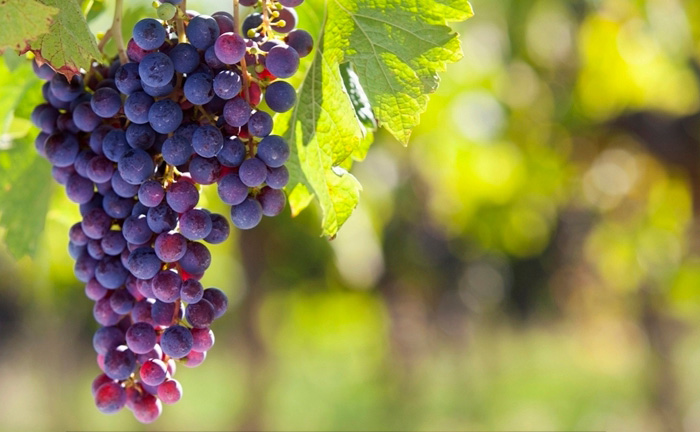
The color—and much of the character—of red wine comes from grape skins. Unlike white wine, which is typically pressed and fermented without extended skin contact, red wine is fermented with the skins, a process called maceration. This extracts color pigments (anthocyanins) and tannins, the compounds responsible for red wine’s structure and aging potential. The longer the skins stay in contact with the juice, the deeper the color and the more pronounced the tannins.
The Major Red Grape Varieties
Understanding a handful of signature grapes gives you a mental map of most red wines you’ll encounter:
– Cabernet Sauvignon – Bold, full-bodied, and tannic, with blackcurrant, cedar, and graphite notes. The backbone of many Bordeaux blends and a global favorite.
– Merlot – Softer and rounder, with plum and black cherry flavors. Approachable and food-friendly.
– Pinot Noir – Light-bodied and elegant, with red cherry, earth, and spice. Famously expressive of its terroir, especially in Burgundy.
– Syrah/Shiraz – Dark, peppery, and powerful, ranging from savory French styles to fruit-forward Australian expressions.
– Tempranillo – Spain’s flagship grape, offering leather, tobacco, and dried cherry notes, central to Rioja.
– Sangiovese – The soul of Chianti and Brunello, with bright acidity, tart cherry, and herbal tones.
– Zinfandel – Rich, jammy, and high in alcohol, a California specialty.
– Malbec – Deeply colored and plush, with violet and dark berry flavors; Argentina’s signature grape.
How to Taste Red Wine Like a Professional
Tasting is a skill anyone can develop. Follow the classic four-step approach:
1. Look – Tilt the glass against a white background. Note the color (purple-ruby for young wines, garnet or brick for older ones) and clarity.
2. Swirl – Gently swirl to release aromas and observe the “legs” on the glass, which hint at alcohol and body.
3. Smell – Take a slow sniff. Identify fruit (berry, plum, cherry), non-fruit (pepper, leather, vanilla), and earth or floral notes.
4. Sip – Take a small sip and let it coat your palate. Assess sweetness, acidity, tannin (the drying sensation on your gums), body, and finish length.
Serving and Storing Red Wine
Temperature matters more than many drinkers realize. Most red wines show best at 60–68°F (16–20°C)—cooler than a typical room, which is why a brief 15–20 minutes in the refrigerator before serving can help. Use a glass with a wide bowl to allow aromas to gather, and fill it only a third full.
For storage, keep bottles away from light, vibration, and temperature swings. A consistent 55°F (13°C) is ideal, but stability matters more than the exact number. If you plan to age wines, look for structured varieties like Cabernet Sauvignon, Nebbiolo, or Syrah.
Food Pairing Fundamentals
The old rule—red wine with meat, white with fish—is a useful starting point but far too rigid. Better guidelines:
– Match weight to weight: A hearty stew calls for a full-bodied wine like Syrah; a delicate mushroom dish pairs better with Pinot Noir.
– Acidity cuts richness: High-acid wines like Sangiovese cleanse the palate against fatty foods.
– Tannin loves protein: Tannic wines soften alongside steak or aged cheese.
– Consider the sauce: A peppery dish amplifies peppery Syrah; a tomato-based sauce thrives with high-acid reds.
Common Myths, Debunked
– “Red wine must be served at room temperature.” Only if your room is cool—most modern homes are too warm.
– “Sulfites cause headaches.” Sulfite levels in red wine are often lower than in many foods; headaches are more commonly linked to alcohol and dehydration.
– “Older is always better.” Most red wines are made to be enjoyed within a few years. Age only structured, age-worthy bottles.
Conclusion
Red wine rewards curiosity. By learning the major grape varieties, practicing structured tasting, serving at the right temperature, and pairing thoughtfully, you transform every bottle into a richer experience. Start with approachable styles like Merlot or Pinot Noir, then explore bolder expressions as your palate develops. The world of red wine is vast and welcoming—there’s always another bottle, region, or vintage waiting to teach you something new.
Tags: Guide, red, red wine, Tips, Wine
Copyright © 2026 Top Red Wine All rights reserved. .