
Merlot Wine Demystified: A Complete Guide to the World’s Most Misunderstood Red
Posted on by RickieMerlot wine has a reputation problem. Thanks to a certain 2004 film, an entire generation of drinkers wrote off this noble grape as boring, flabby, and unworthy of serious attention. That’s a shame, because merlot wine is one of the most versatile, food-friendly, and age-worthy red wines on the planet. Whether you’re a curious beginner or a seasoned collector looking to revisit an old friend, this guide will walk you through everything you need to know about merlot wine — from its history and flavor profile to regions, food pairings, and buying advice.
What Is Merlot Wine?
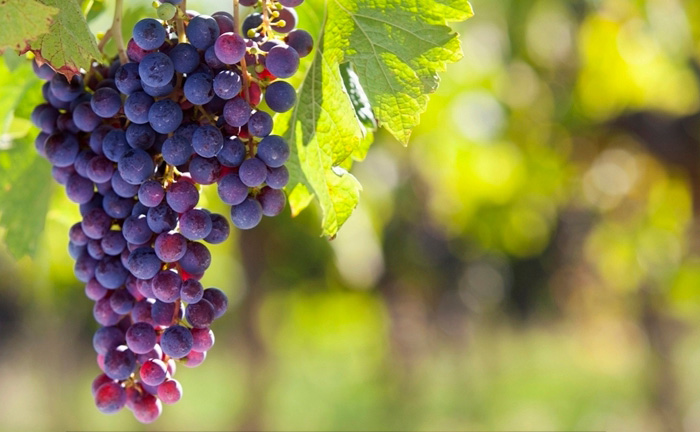
Merlot is a dark-skinned grape variety and the name of the red wine made from it. The grape is believed to have originated in Bordeaux, France, where it remains one of the region’s most important blending grapes — particularly on the Right Bank, in appellations like Saint-Émilion and Pomerol. The name itself likely derives from the French word merle, meaning “blackbird,” a nod to the birds’ fondness for the early-ripening fruit.
Merlot wine is known for its soft, rounded texture, moderate tannins, and approachable fruit flavors. It ripens earlier than Cabernet Sauvignon, which makes it a reliable choice for winemakers in cooler climates — and a key reason it’s so widely planted around the world.
The Flavor Profile of Merlot Wine
What does merlot wine actually taste like? The answer depends heavily on where it’s grown and how it’s made, but classic descriptors include:
– Fruit: Black cherry, plum, blackberry, and redcurrant
– Earth and spice: Cedar, tobacco, bay leaf, and a hint of mocha
– Texture: Medium to full body with soft, velvety tannins and moderate acidity
Cooler-climate merlot (think Bordeaux or northern Italy) tends to show more herbal, structured characteristics, while warmer-climate versions (like those from California or Chile) lean plush, ripe, and fruit-forward. High-quality merlot wine can also develop complex notes of truffle, leather, and violets with age.
Merlot Wine Around the World
Bordeaux, France: The spiritual home of merlot wine. Right Bank wines from Pomerol and Saint-Émilion are often merlot-dominant and rank among the most prestigious — and expensive — red wines in the world.
California, USA: Napa Valley and Sonoma produce rich, concentrated merlot wine with ripe black fruit and generous oak. California helped popularize merlot in the 1990s, and quality has rebounded strongly since the “Sideways” slump.
Chile: An outstanding value region. Chilean merlot wine offers soft tannins, plummy fruit, and excellent quality-to-price ratios — though be aware that some bottlings labeled merlot have historically been Carménère.
Italy: Northeastern regions like Friuli and Veneto produce elegant, food-friendly merlot wine, often labeled simply as Merlot under IGT designations.
Washington State: A rising star for structured, balanced merlot wine with bright acidity and dark fruit.
Merlot Wine and Food Pairing
Merlot wine’s supple tannins and moderate acidity make it a remarkably flexible dining companion. Try it with:
– Roast chicken or duck
– Grilled steak and lamb chops
– Mushroom risotto and truffle dishes
– Tomato-based pastas
– Burgers and barbecue
– Aged cheeses like Gouda and Parmigiano-Reggiano
Because it’s less tannic than Cabernet Sauvignon, merlot wine won’t overwhelm delicate dishes — but it has enough structure to stand up to red meat. It’s one of the safest “house red” choices for a dinner party with mixed menus.
How to Buy and Serve Merlot Wine
When shopping for merlot wine, consider your purpose. Inexpensive bottlings from Chile, Australia, or California’s Central Coast deliver everyday drinking value. Mid-priced examples from Washington, Bordeaux Supérieur, or Napa offer more complexity. For special occasions, explore Right Bank Bordeaux or cult California merlots.
Serve merlot wine at 60–65°F (15–18°C) — slightly below room temperature. Use a medium-to-large bowl glass to concentrate aromas, and decant youthful, tannic examples for 30–60 minutes. Most entry-level merlot wine is best enjoyed within three to five years of vintage, while top-tier bottles can age for a decade or more.
Conclusion
Merlot wine deserves far better than its pop-culture reputation. It’s a grape of remarkable range — capable of producing everything from affordable weeknight reds to some of the most celebrated wines on Earth. Its soft texture makes it welcoming to newcomers, while its complexity and age-worthiness reward serious collectors. Whether you’re pairing it with a weeknight burger or cellaring a Pomerol, merlot wine proves that approachable and profound can exist in the same glass. Give it a fair hearing — your palate will thank you.
Tags: Guide, Merlot, merlot wine, red wine, Tips, Wine
Copyright © 2026 Top Red Wine All rights reserved. .