
Red Wine Demystified: A Complete Guide to Choosing, Tasting, and Enjoying It
Posted on by RickieRed wine is one of the world’s most beloved beverages, yet it often feels shrouded in mystery. Between intimidating wine lists, obscure grape varieties, and conflicting advice about serving temperatures, many drinkers stick to the same bottle out of habit rather than confidence. This guide cuts through the noise. Whether you’re a curious beginner or a seasoned enthusiast looking to sharpen your palate, understanding red wine—how it’s made, how it tastes, and how to serve it—will transform the way you drink.
What Makes Red Wine “Red”?
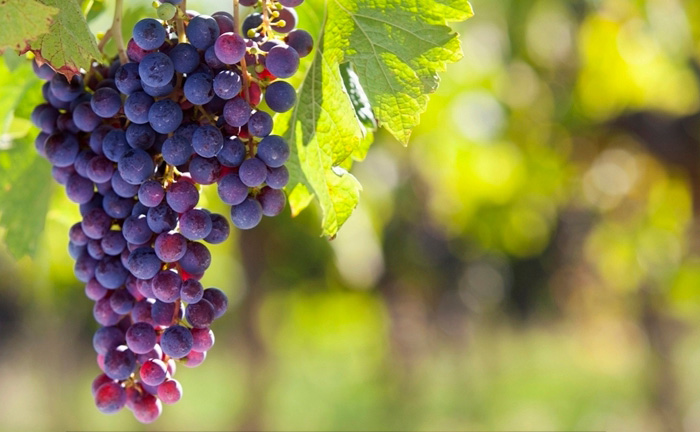
The answer lies in the grape skins. Red wine is produced by fermenting crushed grapes—typically dark-skinned varieties like Cabernet Sauvignon, Merlot, and Pinot Noir—with their skins, seeds, and sometimes stems intact. This process, called maceration, extracts color, tannin, and flavor compounds. The longer the juice stays in contact with the skins, the deeper the color and the more structured the wine.
White wine, by contrast, is usually fermented without skins, which is why it remains pale even when made from dark grapes. This single difference explains much of what distinguishes red wine: its richness, its complexity, and its ability to age.
The Major Red Grape Varieties
Understanding a handful of key grapes is the fastest route to red wine confidence.
– Cabernet Sauvignon: Bold, full-bodied, and tannic, with dark fruit flavors like blackcurrant and cassis. It’s the backbone of Bordeaux and thrives in Napa Valley.
– Merlot: Softer and rounder than Cabernet, with plum and cherry notes. It’s approachable, food-friendly, and often blended with Cabernet.
– Pinot Noir: Light-bodied and elegant, with red cherry, earth, and spice. Famously grown in Burgundy and Oregon, it rewards careful handling.
– Syrah/Shiraz: Spicy and powerful, with blackberry, pepper, and smoke. French Syrah tends to be savory; Australian Shiraz is riper and bolder.
– Tempranillo: Spain’s flagship grape, offering leather, tobacco, and red fruit—the soul of Rioja.
– Sangiovese: The grape behind Chianti, marked by high acidity, tart cherry, and herbal notes that shine with food.
How to Taste Red Wine Like a Pro
Tasting is a skill, not a talent—anyone can learn it. Follow four simple steps:
1. Look: Tilt the glass against a white background. Note the color—ruby, garnet, or purple—and its intensity. Deep, opaque colors often signal a fuller-bodied wine.
2. Swirl: This aerates the wine and releases its aromas.
3. Smell: Take a slow sniff. Look for fruit (berry, plum), earth (leather, mushroom), oak (vanilla, toast), and spice. Your nose does most of the work.
4. Sip: Take a small sip and let it coat your mouth. Notice the tannins (that drying sensation on your gums), the acidity (mouth-watering tartness), and the finish (how long the flavor lingers).
Serving and Storing Red Wine
Small details make a big difference. Serve most reds slightly below room temperature—around 60–65°F (15–18°C). A wine that tastes flat or “hot” may simply be too warm. Lighter reds like Pinot Noir benefit from a brief chill.
Decanting helps full-bodied, tannic wines breathe and softens their structure; younger wines benefit most. Store bottles away from light, heat, and vibration, and lay them horizontally if you plan to age them. Once opened, red wine stays fresh for three to five days when recorked and refrigerated.
Pairing Red Wine with Food
The classic rule—red with meat, white with fish—is a useful starting point but far from absolute. Match the wine’s weight to the dish: a delicate Pinot Noir pairs beautifully with salmon or roast chicken, while a robust Cabernet stands up to steak and braised short ribs. High-acid wines like Sangiovese cut through rich tomato sauces, and spicy Syrah complements grilled and smoky flavors. When in doubt, match intensity with intensity.
Red Wine and Health: The Honest Picture
Red wine contains antioxidants such as resveratrol, and moderate consumption has been associated with certain cardiovascular benefits in some studies. However, no health authority recommends drinking alcohol for health reasons, and the risks—including liver disease and dependency—are real. If you drink, do so moderately and mindfully, and consult a doctor if you have questions.
Conclusion
Red wine rewards curiosity. By learning a few key grapes, mastering the basics of tasting, and paying attention to serving temperatures and food pairings, you can move from guessing at the shelf to choosing bottles with genuine confidence. Start with approachable styles like Merlot or Tempranillo, experiment often, and keep notes on what you enjoy. Every bottle is a lesson—and the best red wine is ultimately the one you love to drink.
Tags: Guide, red, red wine, Tips, Wine
Copyright © 2026 Top Red Wine All rights reserved. .