
Merlot Wine Explained: A Complete Guide to the World’s Most Misunderstood Red
Posted on by RickieMerlot wine has a reputation problem. Thanks to a certain 2004 film, an entire generation of drinkers wrote off Merlot as boring, bland, and forgettable. Yet this grape remains one of the most widely planted and commercially successful red varieties on Earth—and for good reason. From the plush, fruit-forward reds of Napa Valley to the structured, age-worthy wines of Bordeaux’s Right Bank, Merlot wine offers far more complexity and pleasure than its critics admit. This guide explores what Merlot wine really is, where it shines, and how to choose a bottle worth your attention.
What Is Merlot Wine?
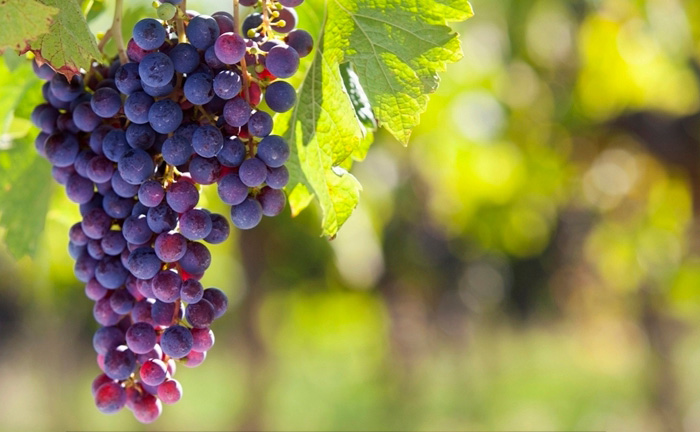
Merlot is a dark-skinned red grape variety that produces wines ranging from medium to full-bodied, with moderate acidity and soft, approachable tannins. Its name derives from the French word merle, meaning “blackbird”—possibly a nod to the grape’s dark color or the birds’ fondness for the fruit. As a varietal wine, Merlot typically showcases flavors of black cherry, plum, and blackberry, often layered with notes of chocolate, cedar, and dried herbs as it ages.
Merlot wine is prized for its smooth texture and early drinkability. Unlike Cabernet Sauvignon, which can be tannic and austere in its youth, Merlot tends to be generous and plush from the start—a quality that has made it both enormously popular and, unfairly, a target for wine snobbery.
The Many Styles of Merlot Wine
Merlot is remarkably adaptable, and its character shifts dramatically depending on climate and winemaking choices.
Warm-climate Merlot (think California, Chile, and Australia) tends to be riper and fuller-bodied, with jammy dark fruit, chocolate notes, and higher alcohol. Napa Valley Merlot, in particular, can be rich and velvety, often rivaling Cabernet in intensity.
Cool-climate Merlot (Bordeaux, northern Italy, and parts of Washington State) produces leaner, more structured wines with brighter acidity, red-fruit flavors, and herbal or earthy undertones. These wines often benefit from bottle aging.
Blended Merlot is the norm in Bordeaux, where Merlot is typically married with Cabernet Sauvignon and Cabernet Franc. On the Right Bank appellations of Saint-Émilion and Pomerol, Merlot dominates—producing some of the world’s most expensive and celebrated wines, including Château Pétrus.
Why Merlot Wine Deserves a Second Look
Merlot’s soft tannins make it one of the most food-friendly reds available. It pairs beautifully with roast chicken, pork tenderloin, mushroom dishes, and tomato-based pastas—foods that can overwhelm more tannic wines. It’s also an excellent gateway red for drinkers transitioning from white wine, and its approachability makes it a reliable choice for gatherings.
Beyond accessibility, top-tier Merlot wine demonstrates genuine complexity. Well-made examples from Pomerol, Saint-Émilion, and select New World sites show layers of dark fruit, truffle, graphite, and spice, with the structure to age for decades. The grape’s early-ripening nature and thin skin require careful vineyard management, but in the right hands, Merlot produces wines of remarkable depth and elegance.
How to Choose a Great Bottle of Merlot Wine
Not all Merlot is created equal. Mass-produced examples can indeed be thin and uninspired—the source of the grape’s bad rap. To find quality:
– Look to reputable regions. Bordeaux’s Right Bank, Napa Valley, Washington’s Columbia Valley, and Chile’s Colchagua Valley consistently deliver strong Merlot.
– Check the alcohol level. Merlots above 14.5% ABV can taste overripe and flabby; balance matters more than power.
– Consider the producer. Established estates with a track record for careful viticulture will outperform anonymous bargain labels.
– Don’t overlook blends. A Merlot-dominant Bordeaux blend often offers more complexity than a budget varietal bottling.
Serving and Storing Merlot Wine
Serve Merlot slightly below room temperature—around 60–65°F (15–18°C)—to preserve its fruit character and soft texture. Decant younger, fuller-bodied examples for 30–60 minutes to open up their aromatics. Store bottles horizontally in a cool, dark place, and remember that quality Merlot from top producers can age gracefully for 10–20 years.
Conclusion
Merlot wine is far more than the punchline of a wine-country comedy. It is a grape of extraordinary range—capable of producing everyday crowd-pleasers and world-class, cellar-worthy reds alike. Whether you’re seeking a smooth, fruit-driven red for a weeknight dinner or a structured Right Bank blend for a special occasion, Merlot delivers. Approach it with an open mind and a little guidance, and you’ll discover why this versatile grape has earned its place among the world’s great red wines.
Tags: Guide, Merlot, merlot wine, red wine, Tips, Wine
Copyright © 2026 Top Red Wine All rights reserved. .