Red Wine Demystified: A Complete Guide to Choosing, Tasting, and Enjoying It
Posted on by RickieRed wine is one of the world’s most beloved and complex beverages—yet for many drinkers, it remains intimidating. Between unfamiliar grape varieties, confusing label terminology, and restaurant wine lists that read like academic texts, the gap between wanting to enjoy red wine and actually feeling confident about it can seem wide. This guide closes that gap. Whether you’re a curious beginner or a seasoned enthusiast looking to sharpen your palate, here’s everything you need to know about red wine, explained clearly and practically.
What Makes Red Wine “Red”?
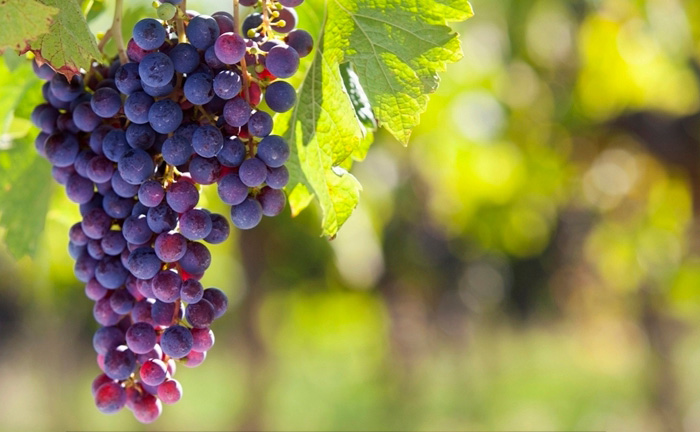
The answer comes down to grape skins. Red wine is produced from dark-skinned grape varieties, and the color, tannin, and much of the flavor come from extended contact between the juice and the skins during fermentation—a process called maceration. White wine, by contrast, is typically fermented without skin contact. This single difference explains why red wine tends to be richer, more structured, and more age-worthy than its white counterpart.
The Major Red Grape Varieties
Understanding a handful of key grapes is the fastest route to red wine confidence:
– Cabernet Sauvignon – Bold, tannic, and dark-fruited, with notes of blackcurrant, cedar, and graphite. The backbone of Bordeaux and Napa Valley.
– Merlot – Softer and rounder, with plum and cherry flavors. An approachable entry point for newcomers.
– Pinot Noir – Light-bodied and elegant, with red cherry, earth, and spice. The great grape of Burgundy.
– Syrah/Shiraz – Peppery and powerful, ranging from savory Northern Rhône styles to fruit-forward Australian Shiraz.
– Tempranillo – Spain’s flagship grape, offering leather, tobacco, and dried cherry notes in Rioja and Ribera del Duero.
– Sangiovese – The soul of Chianti, marked by bright acidity and savory herbal tones.
– Zinfandel – Jammy and generous, a California specialty.
Learning even five of these grapes gives you a mental map for navigating most wine lists.
How to Read a Red Wine Label
Labels vary by country, but key information is consistent. Look for the producer name, the grape variety (common on New World labels from the US, Australia, and Chile), the region (the primary identifier on European labels—”Bordeaux” or “Barolo” implies specific grapes and styles), the vintage year, and the alcohol level. European labels emphasize place; New World labels emphasize grape. Understanding this distinction instantly makes labels less mysterious.
Tasting Red Wine Like a Pro
Professional tasting follows a simple sequence: look, swirl, smell, sip. Observe the wine’s color—a purple rim suggests youth, while brick tones hint at age. Swirling releases aromas; then smell before you taste, since most of flavor perception is olfactory. On the palate, assess sweetness, acidity, tannin, body, and finish. Tannin—that drying sensation on your gums—is the element most unfamiliar to beginners, and recognizing it is a major step toward wine fluency.
Pairing Red Wine with Food
The old rule—red with meat, white with fish—is a useful starting point but far too rigid. Better principles: match weight to weight (a delicate Pinot Noir with salmon or duck; a powerful Cabernet with steak), let acidity cut through richness (Sangiovese with tomato-based pasta), and remember that tannic wines need fat and protein to soften them. When in doubt, choose a wine with higher acidity—it pairs with nearly everything.
Serving and Storing Red Wine
Serve most reds at 16–18°C (60–65°F)—cooler than room temperature in most homes. Light reds like Pinot Noir benefit from slight chilling. Decant young, tannic wines for an hour to soften them; older wines need only a brief decant to separate sediment. Store bottles horizontally, away from light, at a stable cool temperature. Once opened, red wine keeps three to five days if recorked and refrigerated.
Common Red Wine Myths, Debunked
– “Sulfites cause headaches.” Sulfite levels in red wine are often lower than in dried fruit; headaches are more likely tied to alcohol or histamines.
– “Older is always better.” Most red wines—roughly 90%—are made to be enjoyed within a few years of release.
– “Expensive means better.” Price reflects scarcity and reputation as much as quality. Excellent red wine exists at every price point.
Conclusion
Red wine rewards curiosity far more than expertise. By learning a few key grapes, understanding what labels tell you, and practicing the simple ritual of looking, smelling, and tasting, you transform red wine from an intimidating subject into a lifelong source of pleasure. Start with approachable styles—a Merlot, a Chilean Carménère, or a fruit-forward Shiraz—and let your palate lead. The best red wine, ultimately, is the one you genuinely enjoy drinking.
Tags: Guide, red, red wine, Tips, Wine
Copyright © 2026 Top Red Wine All rights reserved. .