
Merlot Wine: The Ultimate Guide to the World’s Most Misunderstood Red
Posted on by RickieMerlot wine has a reputation problem. Thanks to a certain 2004 film, an entire generation of drinkers dismissed it as boring—the safe, soft choice for people who don’t really like wine. That’s a shame, because merlot wine is one of the most versatile, food-friendly, and quietly complex red wines on the planet. From the plush, age-worthy bottles of Bordeaux’s Right Bank to the vibrant, fruit-forward reds of Washington State, merlot wine deserves a serious second look. This guide covers everything you need to know: its history, flavor profile, key regions, food pairings, and how to buy a bottle you’ll love.
What Is Merlot Wine?
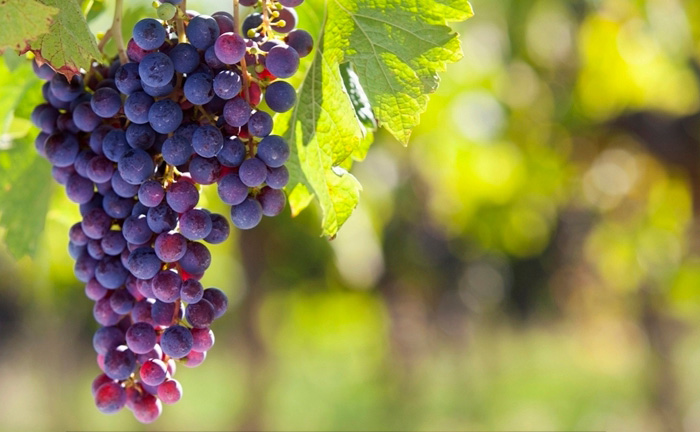
Merlot is a dark-skinned grape variety and the name of the red wine made from it. The grape likely takes its name from the French merle, or blackbird—possibly a nod to the bird’s fondness for the fruit. It is the second most widely planted grape in the world and a cornerstone of Bordeaux blends, where it adds softness and plummy richness to firmer varieties like Cabernet Sauvignon.
Merlot wine is typically medium- to full-bodied, with moderate acidity and smooth, rounded tannins. That structure makes it approachable young, but high-quality merlot wine can age gracefully for a decade or more.
The Flavor Profile of Merlot Wine
Classic merlot wine offers a core of dark fruit: black cherry, plum, and blackberry, often accented by subtle notes of chocolate, cedar, bay leaf, and graphite. As it ages, you’ll find aromas of tobacco, leather, and dried figs.
Style varies dramatically by climate:
– Cool climates (Bordeaux, northern Italy): higher acidity, herbal and earthy notes, firmer structure.
– Warm climates (California, Chile, Australia): riper fruit, softer tannins, higher alcohol, and notes of mocha and vanilla from oak aging.
This range is exactly why merlot wine pairs so well with such a wide variety of dishes.
Merlot Wine Around the World
Bordeaux, France. Merlot reigns on the Right Bank, in appellations like Saint-Émilion and Pomerol. Here it produces some of the world’s most prestigious and expensive wines—structured, savory, and built to age.
United States. Washington State’s Columbia Valley is arguably the New World’s finest home for merlot wine, producing concentrated, balanced reds with bright acidity. California’s Napa Valley and Sonoma also offer excellent examples, typically softer and fruitier.
Italy. In Tuscany and the northeast, merlot appears both in blends and as a varietal wine, often labeled simply as Merlot.
Chile and Argentina. Chile has become a major source of value-priced merlot wine, while Argentine producers in Patagonia craft fresher, more elegant styles.
Australia and New Zealand. Look to Margaret River and Hawke’s Bay for vibrant, herb-tinged expressions.
How to Pair Merlot Wine with Food
Merlot’s moderate tannins and smooth texture make it a remarkably flexible table wine. Try it with:
– Roast chicken or duck
– Grilled steak and braised short ribs
– Mushroom risotto and lentil dishes
– Tomato-based pastas and pizza
– Hard cheeses like aged cheddar or gouda
Avoid pairing merlot wine with very spicy dishes or delicate white fish—the wine’s fruit and alcohol will overwhelm them.
How to Choose and Serve Merlot Wine
Read the label carefully. Varietal merlot from warm climates tends to be plush and fruity; Bordeaux blends offer more structure and earthiness. Price is a reasonable guide: entry-level bottles deliver everyday pleasure, while $25–$60 bottles from top producers show real depth.
Serve at the right temperature. Aim for 60–65°F (15–18°C)—slightly below room temperature. A quick 15–20 minutes in the refrigerator before serving works well.
Decant if needed. Young, tannic merlot benefits from 30–60 minutes of aeration. Older bottles need only a gentle pour to separate sediment.
Store properly. Keep bottles lying down in a cool, dark place, and drink most everyday merlot within three to five years of the vintage. Top Bordeaux and Washington merlots can cellar for 10–20 years.
Conclusion
Merlot wine is far more than a punchline. It is a grape of remarkable range—capable of producing soft, affordable weeknight reds and profound, cellar-worthy bottles alike. Whether you’re exploring Bordeaux’s Right Bank, seeking out Washington’s finest, or simply looking for a red that flatters roast chicken and good company, merlot wine rewards curiosity. Give it a fair hearing, and you may find it becomes one of the most dependable bottles in your cellar.
Tags: Guide, Merlot, merlot wine, red wine, Tips, Wine
Copyright © 2026 Top Red Wine All rights reserved. .