
Red Wine Demystified: A Complete Guide to Choosing, Tasting, and Enjoying It
Posted on by RickieRed wine is one of the world’s most beloved and misunderstood beverages. For some, it’s a nightly ritual; for others, it’s a intimidating wall of unfamiliar labels and jargon. Whether you’re a curious beginner or a seasoned enthusiast looking to deepen your knowledge, understanding red wine—how it’s made, how it tastes, and how to enjoy it—opens the door to one of life’s great pleasures. This guide breaks down the essentials so you can approach every bottle with confidence.
What Makes Red Wine “Red”?
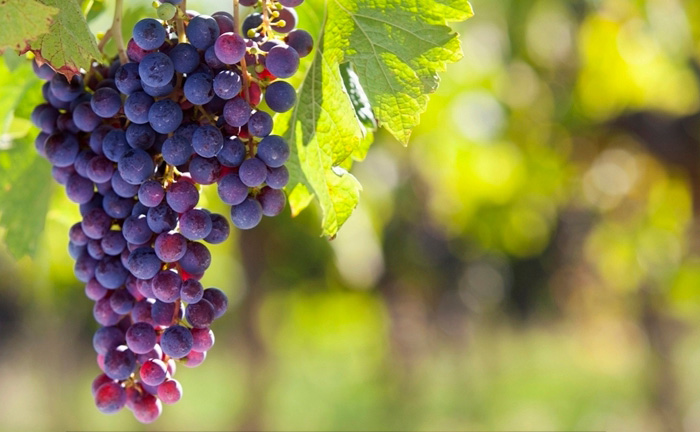
The answer lies in the grape skins. Unlike white wine, which is typically fermented without skin contact, red wine gains its color, tannin, and much of its flavor from prolonged contact with the skins of dark-skinned grapes. This process, called maceration, extracts pigments (anthocyanins) and phenolic compounds that give red wine its characteristic deep ruby, garnet, or purple hues.
Red wine is produced in virtually every wine-growing region on earth, from the bold Malbecs of Argentina to the elegant Pinot Noirs of Burgundy. The grape variety, climate, soil, and winemaking technique all shape the final result in the glass.
The Major Red Grape Varieties
Understanding a handful of key grapes is the fastest route to red wine fluency:
– Cabernet Sauvignon – The world’s most planted red grape. Known for structure, dark fruit flavors (blackcurrant, blackberry), and firm tannins. A staple of Bordeaux and Napa Valley.
– Merlot – Softer and rounder than Cabernet, with plum and cherry notes. An excellent entry point for newcomers.
– Pinot Noir – Light-bodied, aromatic, and complex, with red fruit and earthy undertones. The heart of Burgundy and a favorite among sommeliers.
– Syrah/Shiraz – Bold, peppery, and dark-fruited. France’s Rhône Valley produces elegant Syrah; Australia’s Shiraz is famously powerful.
– Tempranillo – Spain’s flagship grape, offering leather, tobacco, and cherry notes. The backbone of Rioja.
– Malbec – Argentina’s signature grape: plush, violet-scented, and intensely fruity.
– Sangiovese – Italy’s pride, with high acidity and savory cherry flavors. The soul of Chianti.
– Zinfandel – Rich, jammy, and high in alcohol, particularly associated with California.
How to Taste Red Wine Like a Pro
Tasting is a skill anyone can develop. Follow these four steps:
1. Look – Tilt the glass against a white background. Note the color and clarity. Younger wines tend toward purple; older wines shift to brick and garnet.
2. Swirl – This aerates the wine and releases its aromas.
3. Smell – Take a slow, deep sniff. Identify fruit, floral, spice, earth, or oak notes. Most of what we call “taste” is actually aroma.
4. Sip – Take a small sip and let it coat your palate. Notice sweetness, acidity, tannin (that drying sensation on your gums), body, and finish.
Food Pairing Fundamentals
Red wine and food are natural partners. A few reliable principles:
– Match weight to weight – A light Pinot Noir pairs beautifully with salmon or roast chicken; a bold Cabernet stands up to steak.
– Acidity loves fat – High-acid wines like Sangiovese cut through rich, fatty dishes.
– Tannin needs protein – Firm tannins soften when paired with red meat and aged cheese.
– Consider the sauce – Earthy, mushroom-based dishes shine with earthy wines like Pinot Noir or Nebbiolo.
Serving and Storage Tips
– Serve at the right temperature. Light reds are best at 55–60°F (13–16°C); bold reds at 60–65°F (16–18°C). Room temperature is often too warm.
– Let it breathe. Decanting young, tannic wines for 30–60 minutes softens them and opens aromas.
– Store properly. Keep bottles away from light, heat, and vibration. Once opened, red wine stays fresh for 3–5 days if re-corked and refrigerated.
Health, Moderation, and Myth
Red wine contains antioxidants such as resveratrol, and moderate consumption has been associated with certain cardiovascular benefits in some studies. However, no health organization recommends drinking for health reasons. The key word is moderation—typically defined as up to one drink per day for women and up to two for men—and none for those who are pregnant, driving, or have certain medical conditions. Enjoy red wine as part of a balanced lifestyle, not as medicine.
Conclusion
Red wine rewards curiosity. From the tannic power of Cabernet Sauvignon to the delicate charm of Pinot Noir, every bottle tells the story of a grape, a place, and a winemaker. Start with grapes and styles that appeal to your palate, experiment with pairings, and don’t be afraid to ask questions at your local wine shop. The more you taste, the more the world of red wine opens up—one glass at a time.
Tags: Guide, red, red wine, Tips, Wine
Copyright © 2026 Top Red Wine All rights reserved. .