Red Wine Demystified: A Complete Guide to Choosing, Tasting, and Enjoying It
Posted on by RickieRed wine is one of the world’s most beloved beverages—yet it’s also one of the most misunderstood. Walk into any wine shop and you’ll face a wall of bottles in every shade from pale ruby to deep purple, with labels in languages you may not speak and price tags ranging from modest to astronomical. This guide cuts through the confusion, giving you the knowledge to choose red wine with confidence, taste it with purpose, and enjoy it with genuine pleasure.
What Makes Red Wine “Red”?
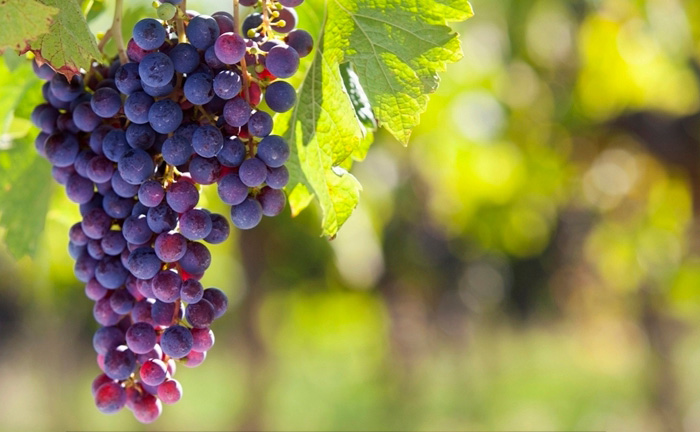
All wine begins as grape juice. What separates red wine from white is a process called maceration: the juice spends time in contact with the grape skins, which contain the color pigments (anthocyanins) and tannins that define red wine’s character. Red wines are typically fermented at warmer temperatures and aged longer than whites, often in oak barrels that contribute vanilla, spice, and toast notes.
The most important red grapes to know include Cabernet Sauvignon (bold, structured, dark fruit), Merlot (soft, plush, plum-forward), Pinot Noir (light-bodied, elegant, red cherry), Syrah/Shiraz (peppery, powerful), Tempranillo (savory, leathery, Spain’s flagship grape), and Sangiovese (bright acidity, the soul of Chianti). Learning even a handful of these varieties gives you a reliable roadmap for navigating any wine list.
How to Read a Red Wine Label
Labels can intimidate, but a few key details tell you most of what you need:
– Grape variety: New World labels (US, Australia, Chile) usually name the grape; Old World labels (France, Italy, Spain) typically name the region instead—so “Bordeaux” means a Cabernet/Merlot blend, and “Chianti” means Sangiovese.
– Region and origin: The more specific the location, the higher the quality tier in most European systems.
– Vintage: The year the grapes were harvested. Most red wines are best within 3–8 years of vintage, though premium bottles can age for decades.
– Alcohol content: Ranges from around 12% (lighter styles) to 15%+ (riper, bolder wines).
Tasting Red Wine Like a Pro
Tasting is a skill anyone can develop. Follow four simple steps:
Look
Tilt the glass against a white background. Deeper color often signals a fuller body; garnet edges suggest some age.
Swirl and smell
Swirling releases aromas. Look for fruit (berry, plum, cherry), earth (leather, mushroom), and oak (vanilla, cedar).
Sip
Let the wine coat your palate. Notice tannins—the drying sensation on your gums—and acidity, the mouth-watering freshness that keeps wine lively.
Evaluate the finish
How long does the flavor linger? A long, pleasant finish is a hallmark of quality.
Pairing Red Wine with Food
The old rule—red with meat, white with fish—is a useful starting point but far too rigid. Better guidelines:
– Match weight to weight: A delicate Pinot Noir pairs beautifully with salmon or roast chicken; a powerful Cabernet needs steak or braised short ribs.
– Acidity cuts richness: High-acid wines like Sangiovese excel with tomato-based pasta and fatty dishes.
– Tannins need protein: Bold, tannic wines soften dramatically alongside red meat and aged cheese.
– When in doubt, pair with the region’s cuisine: Local food and local wine evolved together for good reason.
Serving and Storing Red Wine
Serve most reds slightly below room temperature—60–68°F (15–20°C). A wine that feels “hot” or flabby is likely too warm. Decant young, tannic wines for 30–60 minutes to soften them, and use a decanter for older bottles to separate sediment.
Store wine away from light, heat, and vibration, ideally at 55°F (13°C) with bottles on their side to keep corks moist. Once opened, red wine stays drinkable for 3–5 days if recorked and refrigerated.
Common Myths, Debunked
– “Sulfites cause headaches.” Sulfites occur naturally in wine; the bigger culprits are usually alcohol and dehydration.
– “Expensive means better.” Price reflects reputation and scarcity as much as quality. Excellent red wine exists at every price point.
– “Red wine must breathe for hours.” Most everyday bottles benefit from just 15–20 minutes of air.
Conclusion
Red wine rewards curiosity. Start with grapes and styles you enjoy, taste broadly, and take notes—your palate will develop faster than you expect. Whether you’re pouring a weeknight Merlot or opening a special-occasion Bordeaux, understanding what’s in the glass transforms drinking into genuine appreciation. The best red wine, ultimately, is the one you enjoy sharing.
Tags: Guide, red, red wine, Tips, Wine
Copyright © 2026 Top Red Wine All rights reserved. .