
Zinfandel Wine Explained: A Complete Guide to California’s Boldest Red
Posted on by RickieZinfandel wine occupies a unique place in the world of red wine. It is a grape with a fascinating history, a chameleon-like ability to produce wildly different styles, and a devoted following—particularly in the United States, where it has become something of a signature varietal. Yet for many wine lovers, Zinfandel remains misunderstood, often dismissed as either a jammy fruit bomb or a curiosity of the past. This comprehensive guide explores what Zinfandel wine really is, where it comes from, how it tastes, and how to choose and enjoy it with confidence.
The Origins and Identity of Zinfandel
Zinfandel’s story is one of the most intriguing in the wine world. For decades, its origins were a mystery. The grape arrived in the United States in the early nineteenth century and became widely planted in California during the Gold Rush era. Only through modern DNA analysis did researchers confirm that Zinfandel is genetically identical to Primitivo, a grape grown in Puglia, Italy, and to Tribidrag (also called Crljenak Kaštelanski), an ancient Croatian variety.
This discovery clarified Zinfandel’s Mediterranean heritage while cementing its status as a quintessentially Californian grape. Today, California remains the world’s most important source of Zinfandel wine, with significant plantings in regions such as Sonoma, Napa, Paso Robles, Lodi, and the Sierra Foothills.
Understanding Zinfandel’s Styles
One of the most confusing—and exciting—aspects of Zinfandel wine is its remarkable range of styles. The grape is naturally high in sugar, which means it can produce wines with substantial alcohol levels, often between 14% and 16% ABV. However, winemaking choices dramatically shape the final result.
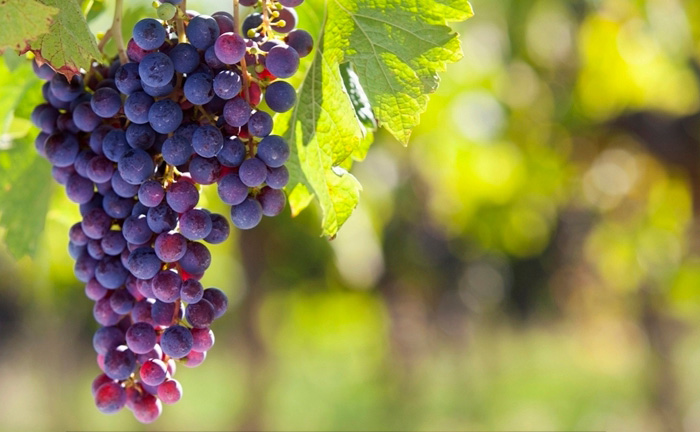
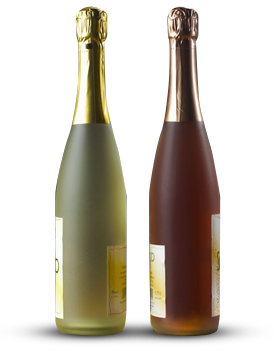
Classic California Zinfandel tends to be bold and fruit-forward, with ripe flavors of blackberry, raspberry, and plum, often accented by notes of black pepper, cinnamon, and sweet spice. Claret-style Zinfandel, a traditional style, is lighter and more structured, made with earlier-picked fruit and often blended with other varieties. Meanwhile, White Zinfandel, a rosé made by limiting skin contact, became enormously popular in the 1970s and 1980s and introduced countless drinkers to the grape—though it represents a very different experience from red Zinfandel.
Old-vine Zinfandel deserves special mention. California is home to some genuinely ancient vineyards, with vines over a century old, many planted by European immigrants. These low-yielding vines produce concentrated, complex wines with depth and character that are highly prized by collectors.
Tasting Notes and Food Pairing
A well-made Zinfandel wine typically offers an expressive aromatic profile: brambly dark fruit, dried herbs, black pepper, and sometimes a hint of sweetness from oak aging. On the palate, expect generous fruit, moderate acidity, and supple tannins, with a warming finish driven by its elevated alcohol.
Because of its bold flavors and robust structure, Zinfandel pairs beautifully with equally assertive foods. Consider it with barbecued ribs, grilled burgers, smoked brisket, spicy sausages, and rich tomato-based pasta dishes. The wine’s fruit intensity and spice notes also make it a natural match for Mexican and Indian cuisine, where its slight sweetness can temper heat. For cheese, aged cheddar, gouda, and smoked varieties work well.
How to Choose and Serve Zinfandel Wine
When shopping for Zinfandel, pay attention to the label’s regional and stylistic cues. Wines from Lodi often deliver excellent value with ripe, approachable fruit. Sonoma’s Dry Creek Valley is renowned for balanced, structured Zinfandels with peppery complexity. Paso Robles produces powerful, concentrated examples, while the Sierra Foothills offer rustic, old-vine character.
Serve Zinfandel slightly below room temperature—around 60–65°F (15–18°C)—to keep the alcohol in check and preserve freshness. Because of its intensity, a standard 750ml bottle goes a long way; consider decanting younger, tannic examples for 30 to 60 minutes to soften their edges.
The Takeaway
Zinfandel wine is far more than a single style or a nostalgic relic. It is a versatile, historically rich grape capable of producing everything from elegant, food-friendly reds to powerful, age-worthy bottlings from century-old vines. Whether you are exploring California’s wine heritage, looking for a bold partner for barbecue, or simply curious about one of the wine world’s most distinctive reds, Zinfandel rewards the open-minded drinker. Approach it with curiosity, pay attention to region and style, and you will discover why this grape has earned its enduring place on the table.
Tags: Guide, red wine, Tips, Wine, zinfandel, zinfandel wine
Copyright © 2026 Top Red Wine All rights reserved. .