
Zinfandel Wine Demystified: A Complete Guide to America’s Boldest Red
Posted on by RickieZinfandel wine is one of the most distinctive and often misunderstood red wines in the world. Bold, fruit-forward, and capable of remarkable complexity, Zinfandel has become a signature grape of California winemaking—yet its story stretches across continents and centuries. Whether you’re a curious newcomer or a seasoned collector, understanding Zinfandel wine opens the door to a category of reds that range from playful and juicy to powerful and age-worthy. This guide explores the grape’s history, flavor profile, styles, food pairings, and practical buying advice so you can approach every bottle with confidence.
The Origins and History of Zinfandel Wine
Zinfandel’s journey is a fascinating tale of migration and mystery. For decades, the grape’s origins puzzled researchers and winemakers alike. It wasn’t until the late 1990s and early 2000s, through DNA fingerprinting, that Zinfandel was identified as identical to Croatia’s Crljenak Kaštelanski (also known as Tribidrag) and Italy’s Primitivo. The grape arrived in the United States in the early nineteenth century and flourished during the California Gold Rush era, becoming a staple of immigrant winemaking communities.
Today, California is the undisputed champion of Zinfandel production, with the grape planted across diverse regions from Sonoma and Napa to Lodi and Paso Robles. Older vineyards—some over a century old—are treasured for the depth and concentration they bring to Zinfandel wine.
What Does Zinfandel Wine Taste Like?
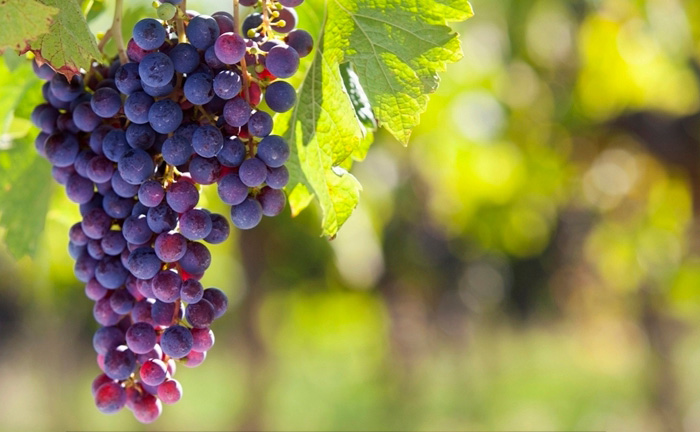
Zinfandel is celebrated for its expressive, fruit-driven character. Typical tasting notes include:
– Ripe red and black fruit: raspberry, blackberry, cherry, and plum
– Spice: black pepper, cinnamon, and clove
– Secondary notes: brambly jam, dried herbs, and sometimes a hint of sweet tobacco
– Structure: moderate to high alcohol, medium-to-full body, and soft, approachable tannins
The grape’s thin skins and uneven ripening can produce wines with concentrated fruit flavors and generous alcohol levels. Well-made Zinfandel wine balances that ripeness with refreshing acidity, keeping the wine lively rather than cloying.
The Many Styles of Zinfandel Wine
One of Zinfandel’s greatest strengths is its versatility. Styles vary dramatically based on vineyard site, winemaking choices, and alcohol management:
Classic California Zinfandel: Bold, jammy, and high in alcohol, often from warm regions like Lodi and Paso Robles. These wines deliver immediate pleasure and pair well with grilled meats.
Elegant, cool-climate Zinfandel: From coastal Sonoma and Russian River Valley sites, these bottlings show brighter acidity, red fruit flavors, and more restrained alcohol—closer in style to Pinot Noir or elegant Rhône reds.
Old-vine Zinfandel: Sourced from vineyards planted decades ago, these wines offer extraordinary concentration, complexity, and depth. They are often the most sought-after expressions of Zinfandel wine.
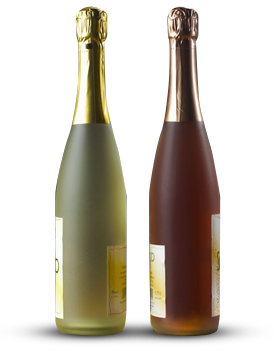
White Zinfandel: A sweet, pink wine made by early pressing and limited skin contact. While often dismissed by serious wine lovers, it remains a popular entry point for new wine drinkers.
Late-harvest and dessert styles: Rich, sweet Zinfandel wines with dried fruit and honeyed notes make excellent accompaniments to chocolate and blue cheese.
Zinfandel Wine and Food Pairing
Zinfandel’s bold fruit and moderate tannins make it an exceptionally food-friendly red. Consider these pairings:
– Barbecue: ribs, brisket, and pulled pork are classic matches for robust Zinfandel
– Grilled meats: burgers, steak, and lamb chops
– Spicy cuisine: the wine’s fruitiness tames heat in Tex-Mex, Indian, and Cajun dishes
– Hearty pasta: tomato-based sauces, sausage ragù, and baked ziti
– Aged cheeses: cheddar, gouda, and smoked cheeses
For elegant, lower-alcohol styles, try roast chicken, mushroom dishes, or charcuterie boards.
How to Buy and Serve Zinfandel Wine
When shopping for Zinfandel wine, pay attention to alcohol levels on the label—they range from around 13% to over 16%. Lower-alcohol bottlings tend to feel fresher and more food-friendly, while higher-alcohol wines offer richness and power. Look for reputable producers and regional designations; old-vine and single-vineyard labels often signal quality.
Serve Zinfandel at 60–65°F (15–18°C), slightly below room temperature. Use a large-bowled glass to capture the wine’s aromatic intensity. While many Zinfandels are delicious young, top-tier examples can age gracefully for a decade or more, developing savory, earthy complexity.
Conclusion
Zinfandel wine deserves a place in every red wine lover’s repertoire. From its Croatian roots to its status as a California icon, the grape offers an impressive range of styles—bold and jammy, elegant and refined, or sweet and playful. By understanding its history, flavor profile, and pairing potential, you can explore Zinfandel wine with confidence and discover bottles that suit your palate and table. Whether you’re firing up the grill or building a cellar, Zinfandel is a red worth getting to know.
Tags: Guide, red wine, Tips, Wine, zinfandel, zinfandel wine
Copyright © 2026 Top Red Wine All rights reserved. .