
Red Wine Demystified: A Complete Guide to Choosing, Tasting, and Enjoying It
Posted on by RickieRed wine is one of the most beloved and complex beverages in the world—yet it’s also one of the most misunderstood. From the bold, tannic structure of a Napa Cabernet to the delicate, perfumed elegance of a Burgundy Pinot Noir, red wine spans an extraordinary spectrum of styles, flavors, and price points. Whether you’re a curious beginner or a seasoned enthusiast looking to sharpen your palate, this guide will walk you through everything you need to know about red wine: how it’s made, how to choose it, how to taste it, and how to enjoy it with confidence.
What Makes Red Wine “Red”?
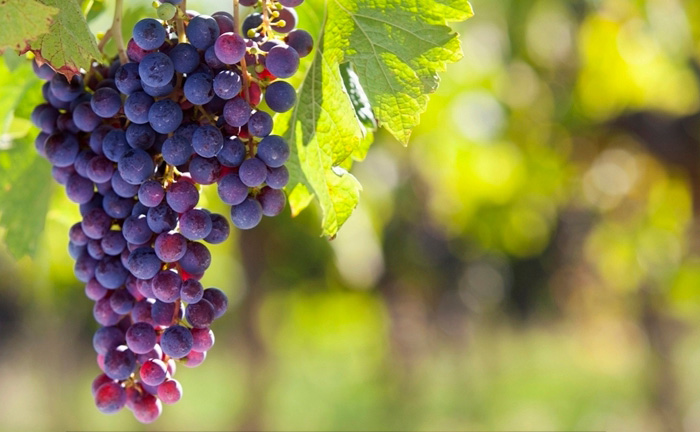
The answer lies in the grape skins. Unlike white wine, which is typically fermented without skin contact, red wine is made by fermenting grape juice together with the skins, seeds, and sometimes stems. This process—called maceration—extracts color pigments (anthocyanins), tannins, and flavor compounds that give red wine its characteristic hue, structure, and complexity.
Because the color and tannin come from the skins, red wine can be made from virtually any grape variety. The most widely planted and recognized red grapes include Cabernet Sauvignon, Merlot, Pinot Noir, Syrah/Shiraz, Zinfandel, Sangiovese, Tempranillo, and Grenache. Each variety expresses its own personality, shaped further by climate, soil, and winemaking technique.
How to Read a Red Wine Label
Understanding a label is the first step toward buying with confidence. Most labels tell you more than you might think:
– Grape variety: New World labels (U.S., Australia, Chile) usually name the grape; Old World labels (France, Italy, Spain) typically name the region instead.
– Region: A specific appellation—such as Bordeaux, Chianti, or Rioja—signals style and often quality standards.
– Vintage: The year the grapes were harvested. It matters most for age-worthy wines.
– Producer: The winery or estate name is often the single best indicator of quality and style.
Key Red Wine Styles and What to Expect
Light-bodied reds like Pinot Noir and Gamay offer bright acidity, red fruit flavors (cherry, raspberry), and soft tannins. They’re versatile food wines and excellent for those new to red wine.
Medium-bodied reds such as Merlot, Sangiovese, and Grenache balance fruit and structure, making them crowd-pleasers that pair well with everything from pasta to roasted chicken.
Full-bodied reds like Cabernet Sauvignon, Syrah, and Malbec deliver rich dark fruit, firm tannins, and often notes of spice, chocolate, or oak. These wines reward pairing with hearty dishes and can age beautifully.
How to Taste Red Wine Like a Pro
Tasting is a skill anyone can develop. Follow these four steps:
Look
Tilt the glass against a white background. Note the color—purple-ruby suggests youth, while garnet or brick hues hint at age.
Swirl
This releases aromas. Notice whether the wine smells fruity, floral, earthy, or spicy.
Sip
Take a small sip and let it coat your palate. Pay attention to sweetness, acidity, tannin (that drying sensation on your gums), alcohol, and body.
Savor
Notice the finish—how long the flavors linger after you swallow. A long finish is often a mark of quality.
Essential Food Pairing Principles
The old rule “red wine with meat” is a useful starting point, but pairing is really about balance. High-tannin wines like Cabernet Sauvignon pair beautifully with fatty, protein-rich foods (steak, lamb, aged cheese) because tannins bind to fat and soften. High-acid wines like Chianti cut through rich, tomato-based dishes. Lighter reds like Pinot Noir work wonderfully with salmon, mushrooms, and poultry. When in doubt, match the wine’s intensity to the food’s intensity.
Serving and Storage Tips
– Serve at the right temperature: Most reds shine at 60–68°F (15–20°C)—cooler than room temperature in many homes. Light reds benefit from a slight chill.
– Let it breathe: Young, tannic wines open up with 15–30 minutes in a decanter or glass.
– Store properly: Keep bottles away from light, heat, and vibration. Once opened, red wine stays fresh for 3–5 days when recorked and refrigerated.
Conclusion
Red wine is more than a drink—it’s a window into geography, history, and craft. By understanding grape varieties, reading labels, mastering a simple tasting routine, and applying a few pairing principles, you can transform every bottle into a richer experience. Start with styles that match your palate, experiment with regions, and don’t be afraid to ask questions at your local wine shop. The world of red wine rewards curiosity—so pour a glass, take your time, and enjoy the journey.
Tags: Guide, red, red wine, Tips, Wine
Copyright © 2026 Top Red Wine All rights reserved. .