Red Wine Demystified: A Complete Guide to Choosing, Tasting, and Enjoying It
Posted on by RickieRed wine is one of the most beloved and complex beverages in the world, yet it often intimidates even enthusiastic drinkers. From the tannin-rich reds of Bordeaux to the fruit-forward pours of California, understanding red wine unlocks a lifetime of discovery. This guide breaks down everything you need to know—grapes, regions, tasting technique, food pairing, and health considerations—so you can approach every bottle with confidence.
What Makes Red Wine “Red”?
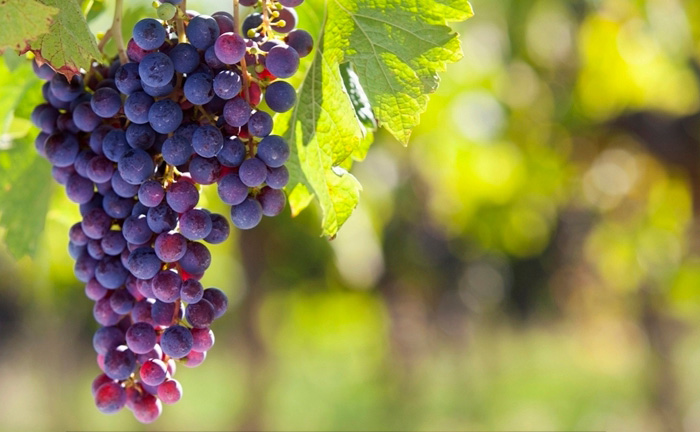
The answer lies in the skins. Unlike white wine, which is typically pressed before fermentation, red wine is fermented with the grape skins, a process called maceration. The skins impart color, tannins, and much of the wine’s aroma and structure. The longer the juice stays in contact with the skins, the deeper the color and the more pronounced the tannins.
The Major Red Grape Varieties
Understanding a handful of key grapes is the fastest route to red wine fluency:
– Cabernet Sauvignon: Bold, structured, and age-worthy, with notes of blackcurrant, cedar, and graphite. The backbone of Bordeaux and Napa Valley.
– Merlot: Softer and plusher, with plum and chocolate flavors. An approachable entry point for newcomers.
– Pinot Noir: Light-bodied and aromatic, offering red cherry, earth, and spice. The heart of Burgundy.
– Syrah/Shiraz: Dark, peppery, and powerful—elegant in France’s Rhône Valley, exuberant in Australia.
– Tempranillo: Spain’s flagship grape, delivering leather, tobacco, and dried cherry notes in Rioja.
– Sangiovese: The soul of Chianti and Brunello, marked by high acidity and savory herbal tones.
– Zinfandel: Ripe, jammy, and generous—a California specialty.
– Malbec: Argentina’s signature grape, known for violet, blueberry, and velvety texture.
Old World vs. New World
Red wine styles broadly divide into two camps. Old World producers (France, Italy, Spain, Germany) emphasize terroir, tradition, and restraint—think higher acidity and earthy complexity. New World producers (United States, Australia, Chile, Argentina, South Africa) often favor riper fruit, bolder oak, and more approachable styles. Neither is superior; the distinction simply helps you anticipate what’s in the glass.
How to Taste Red Wine Like a Professional
Tasting is a skill anyone can develop. Follow this simple sequence:
1. Look: Tilt the glass against a white background. Note the color—ruby, garnet, or purple—and its intensity. Paler rims can hint at age.
2. Swirl: This aerates the wine and releases aromas.
3. Smell: Take short sniffs, not long ones. Identify fruit, floral, spice, earth, or oak notes.
4. Sip: Draw wine across your palate. Notice sweetness, acidity, tannin, alcohol, and body.
5. Assess the finish: How long do the flavors linger? A long finish is often a mark of quality.
Red Wine and Food Pairing Basics
The classic rules exist for good reason, but the guiding principle is balance. Match the wine’s weight to the dish’s richness:
– Steak and lamb: Cabernet Sauvignon, Syrah, Malbec
– Roast chicken and mushrooms: Pinot Noir, Grenache
– Tomato-based pasta and pizza: Sangiovese, Barbera
– Grilled vegetables and charcuterie: Tempranillo, Côtes du Rhône
– Rich stews and braises: Zinfandel, Mourvèdre
High-tannin wines pair beautifully with fatty foods, while high-acid wines cut through richness. When in doubt, match intensity with intensity.
Serving and Storage Tips
– Temperature: Serve most reds at 60–68°F (15–20°C)—cooler than room temperature in many homes. Light reds like Pinot Noir benefit from a slight chill.
– Decanting: Young, tannic wines open up with 30–60 minutes in a decanter. Older wines need less time and gentle handling.
– Glassware: A wide-bowled glass allows aromas to gather and tannins to soften.
– Storage: Keep bottles away from light, heat, and vibration. Store horizontally if aging long-term.
Is Red Wine Good for You?
Moderate red wine consumption has been associated with cardiovascular benefits, largely attributed to polyphenols like resveratrol. However, health organizations consistently caution that no level of alcohol is entirely risk-free. The wisest approach: enjoy red wine in moderation, as part of a balanced lifestyle, and consult your physician about individual risks.
Conclusion
Red wine rewards curiosity. Start with approachable grapes like Merlot and Pinot Noir, experiment with regions, and taste alongside food to understand how context shapes flavor. Whether you’re building a cellar or simply choosing a bottle for dinner, the key is to explore deliberately and drink what you genuinely enjoy. The world of red wine is vast—but with these fundamentals, you’re well equipped to navigate it with confidence and pleasure.
Tags: Guide, red, red wine, Tips, Wine
Copyright © 2026 Top Red Wine All rights reserved. .