
Zinfandel Wine Explained: A Complete Guide to California’s Boldest Red
Posted on by RickieZinfandel is one of the most distinctive and beloved red wines in the world—a grape that has become synonymous with California winemaking. Known for its bold fruit flavors, high alcohol content, and remarkable versatility, Zinfandel wine offers something for nearly every palate. Whether you’re a seasoned collector or a curious newcomer, understanding this remarkable varietal will deepen your appreciation of red wine and help you make smarter buying decisions.
The Origins and History of Zinfandel
Zinfandel’s story is one of mystery and migration. Long considered California’s “native” grape, Zinfandel was eventually traced through genetic research to Croatia, where it is known as Tribidrag (and related to the Italian grape Primitivo). The grape arrived in the United States in the early 19th century and flourished during the California Gold Rush, when thirsty miners and settlers planted vineyards across the state.
By the late 19th century, Zinfandel was California’s most widely planted grape. It survived Prohibition partly because growers sold grapes for home winemaking, and many of today’s oldest Zinfandel vineyards—some over a century old—are living legacies of that era. These “old vine” plantings produce concentrated, complex fruit that commands premium prices and deep respect among winemakers.
Understanding Zinfandel’s Flavor Profile
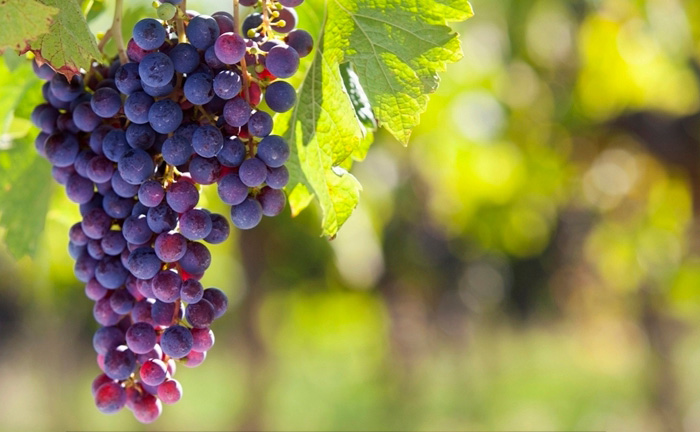
Zinfandel wine is celebrated for its exuberant, fruit-forward character. Typical tasting notes include:
– Jammy red and black fruit: raspberry, blackberry, cherry, and plum
– Spice: black pepper, cinnamon, and clove
– Secondary notes: briar, dried herbs, and sometimes a hint of sweet tobacco
– Oak influence: vanilla, mocha, and toasted cedar from barrel aging
The grape’s thin skins mean color and tannin can vary, but well-made Zinfandel typically shows medium-to-full body with moderate tannins and refreshing acidity. Alcohol levels are famously high—often 14–16% ABV—which gives the wine its rich, mouth-filling texture.
Zinfandel Styles: From White to Bold Red
One of Zinfandel’s most fascinating traits is its range of styles:
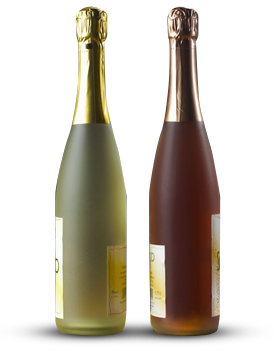
White Zinfandel: A sweet, blush-style wine made by limiting skin contact. Popular in the 1980s and 1990s, it remains a gateway wine for many beginners, though serious wine lovers often overlook it.
Classic Red Zinfandel: Bold, jammy, and spicy, with generous alcohol and ripe fruit—the quintessential California expression.
Claret-style Zinfandel: Lighter, more elegant, and lower in alcohol, often made in the style of Bordeaux blends. These appeal to drinkers who prefer restraint over power.
Late-harvest and dessert Zinfandel: Sweet, concentrated wines made from grapes left on the vine longer.
Old Vine Zinfandel: Produced from vineyards aged 50+ years, offering depth, complexity, and intensity that younger vines rarely match.
Key Regions for Zinfandel Wine
California dominates global Zinfandel production, but quality varies by region:
– Dry Creek Valley (Sonoma): Known for structured, peppery Zinfandels with excellent aging potential.
– Lodi: A warm climate producing rich, jammy wines at excellent value; home to many old-vine vineyards.
– Paso Robles: Bold, fruit-driven styles with notable spice.
– Napa Valley: Smaller plantings yield concentrated, premium bottlings.
– Amador County: Historic Sierra Foothills region famous for old-vine, high-altitude Zinfandel.
Outside California, Primitivo from Puglia, Italy, offers a closely related—though distinct—experience, and small plantings exist in Australia and South Africa.
Food Pairing Tips
Zinfandel’s bold fruit and acidity make it a natural partner for robust fare:
– Barbecued ribs, brisket, and burgers
– Pepperoni or sausage pizza
– Spicy Mexican and Indian dishes (the fruit tames the heat)
– Aged cheddar and gouda
– Grilled vegetables and portobello mushrooms
For lighter claret-style Zinfandels, try roast chicken, salmon, or pasta with tomato sauce.
Serving and Storing Zinfandel
Serve red Zinfandel slightly below room temperature—around 60–65°F (15–18°C)—to keep the alcohol in balance. Decant bold, young wines for 30–60 minutes to soften tannins. Most Zinfandels drink well within 3–7 years of release, though top old-vine bottlings can age gracefully for a decade or more. Store bottles horizontally in a cool, dark place, away from temperature fluctuations.
Buying Zinfandel: What to Look For
When shopping for Zinfandel wine, consider your preferred style. Look for “old vine” designations for complexity, check alcohol levels to gauge intensity, and explore different appellations to discover regional character. Prices range widely—from affordable everyday bottlings under $15 to collectible old-vine wines exceeding $100—so there’s an entry point for every budget.
Conclusion
Zinfandel wine is a true American original with Old World roots—a grape that delivers bold flavor, rich history, and remarkable versatility. From the jammy reds of Dry Creek Valley to the elegant claret-style bottlings gaining modern popularity, Zinfandel rewards exploration. Whether you’re pairing it with barbecue, cellaring an old-vine treasure, or simply enjoying a glass on a Friday evening, this vibrant red deserves a place in every wine lover’s repertoire. Pour a glass, embrace the spice, and discover why Zinfandel remains one of California’s most enduring vinous treasures.
Tags: Guide, red wine, Tips, Wine, zinfandel, zinfandel wine
Copyright © 2026 Top Red Wine All rights reserved. .