
Zinfandel Wine: The Ultimate Guide to California’s Boldest Red
Posted on by RickieZinfandel wine is one of the most distinctive and misunderstood red wines in the world. Bold, jammy, and bursting with ripe fruit, it has become a signature grape of California — yet its journey to American wine fame is a fascinating tale of immigration, genetics, and reinvention. Whether you’re a curious beginner or a seasoned collector, this guide will help you understand what makes Zinfandel wine so special, how to choose a bottle, and how to pair it with food.
What Is Zinfandel Wine?
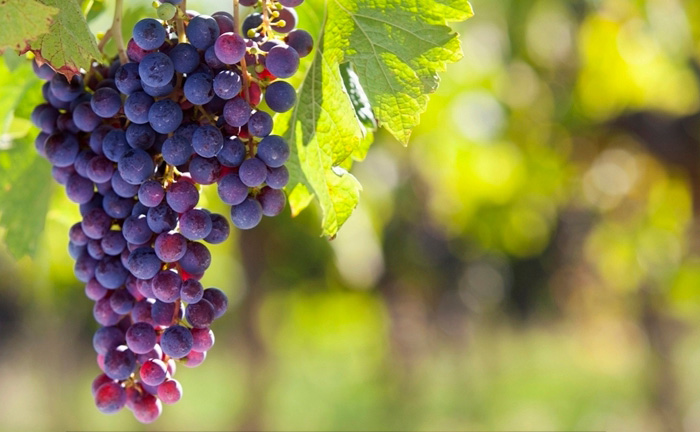
Zinfandel is a red grape variety known for producing wines with high alcohol, concentrated fruit flavors, and a generous, mouth-filling texture. Its flavor profile typically features notes of blackberry, raspberry jam, black cherry, and baking spices like cinnamon and clove, often accented by black pepper and a hint of sweet tobacco.
What many wine lovers don’t realize is that Zinfandel is genetically identical to Italy’s Primitivo grape and shares its origins with Croatia’s Tribidrag (also called Crljenak Kaštelanski). The grape arrived in the United States in the 19th century and found its spiritual home in California, where warm days and cool nights allow it to ripen to impressive sugar levels.
A Tale of Two Styles: Red Zinfandel vs. White Zinfandel
One of the most confusing aspects of Zinfandel wine is that the same grape produces two radically different wines.
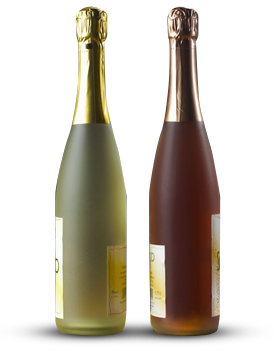
Red Zinfandel is the serious, full-bodied expression: deeply colored, high in alcohol (often 14–16% ABV), and rich with ripe fruit and spice. White Zinfandel, by contrast, is a sweet-ish rosé made by limiting skin contact during fermentation. It became wildly popular in the 1970s and 1980s and, while often dismissed by critics, it helped save many old Zinfandel vineyards from being replanted. Today, dry rosé versions of Zinfandel are also gaining respect among sommeliers.
Old Vine Zinfandel: California’s Living History
Perhaps the most compelling story in Zinfandel wine is the “old vine” phenomenon. California is home to some of the oldest producing vineyards in the world, with many Zinfandel plantings dating back over 100 years — some to the 1880s. These head-trained, dry-farmed vines produce lower yields but intensely concentrated fruit, resulting in wines of remarkable depth, complexity, and character.
When you see “Old Vine Zinfandel” on a label, it generally signals a wine with greater richness and layered flavor. Regions such as Lodi, Sonoma’s Dry Creek Valley, Paso Robles, Amador County, and Napa Valley are celebrated for their old-vine Zinfandel.
How to Choose a Zinfandel Wine
Zinfandel wine styles vary considerably by region and winemaking approach:
– Lodi: Known for bold, fruit-forward wines with jammy blackberry and spice — approachable and great value.
– Dry Creek Valley (Sonoma): Structured, elegant Zinfandels with brambly fruit, pepper, and balanced acidity.
– Paso Robles: Riper, richer styles with pronounced black fruit and often a hint of sweetness.
– Amador County: Higher-elevation vineyards yield wines with bright acidity and earthy complexity.
When shopping, look for producers with a reputation for balanced winemaking. Alcohol levels above 15% can indicate a very ripe, powerful style; if you prefer freshness, seek bottles in the 13.5–14.5% range.
Food Pairing with Zinfandel Wine
Zinfandel’s bold fruit and moderate tannins make it an exceptionally food-friendly red. Classic pairings include:
– Barbecue: Ribs, brisket, and pulled pork are natural matches for Zinfandel’s smoky-spicy character.
– Grilled meats: Burgers, sausages, and steak benefit from the wine’s acidity and fruit intensity.
– Pizza and tomato-based dishes: The wine’s acidity cuts through rich cheese and tomato sauce beautifully.
– Spiced cuisines: Dishes with cumin, paprika, or mild chili pair well with Zinfandel’s peppery notes.
Avoid pairing it with delicate fish or very subtle dishes, as the wine’s power will overwhelm them.
Serving and Storing Tips
Serve Zinfandel wine slightly below room temperature — around 60–65°F (15–18°C) — to tame the alcohol and highlight its fruit. Decant young, tannic bottles for 30–60 minutes to soften their structure. While most Zinfandels are best enjoyed within 3–5 years of release, top old-vine examples from prestigious producers can age gracefully for a decade or more.
Conclusion
Zinfandel wine deserves far more respect than it sometimes receives. From its Croatian roots to its status as a California icon, it offers drinkers bold flavor, fascinating history, and remarkable versatility at the table. Whether you explore a jammy Lodi bottling, a structured Dry Creek Valley old vine, or a crisp dry rosé, Zinfandel rewards curiosity. Next time you’re choosing a red wine, give Zinfandel a place at your table — it may just become your new favorite.
Tags: Guide, red wine, Tips, Wine, zinfandel, zinfandel wine
Copyright © 2026 Top Red Wine All rights reserved. .