
Red Wine Demystified: The Complete Guide to Choosing, Tasting, and Enjoying It
Posted on by RickieRed wine is one of the world’s most beloved beverages—yet it’s also one of the most misunderstood. Walk into any wine shop and you’ll face shelves lined with bottles from Bordeaux to Barossa, each promising something different. Whether you’re a curious beginner or a seasoned enthusiast looking to sharpen your palate, understanding red wine unlocks a lifetime of discovery. This guide breaks down everything you need to know: how it’s made, the key grape varieties, how to taste it properly, and how to pair it with food like a professional.
What Makes Red Wine “Red”?
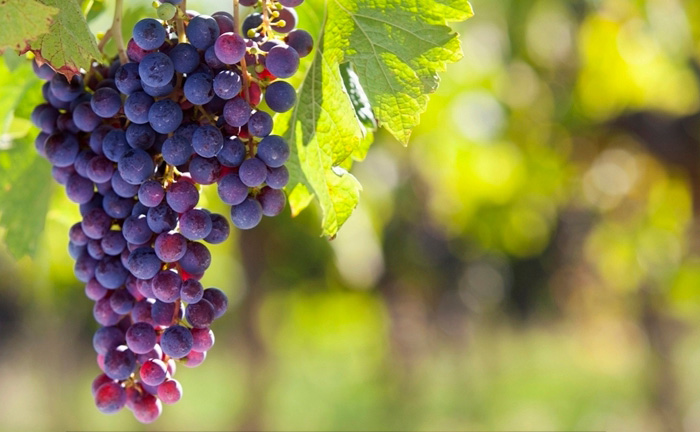
The answer lies in the grape skins. Unlike white wine, which is typically pressed before fermentation, red wine is fermented with its skins. This process—called maceration—extracts color, tannins, and flavor compounds, giving red wine its characteristic deep hues and structure. The longer the juice contacts the skins, the deeper the color and the more pronounced the tannins.
The Major Red Grape Varieties
Understanding a handful of key grapes is the fastest route to red wine confidence:
– Cabernet Sauvignon – Bold, full-bodied, and high in tannins, with notes of blackcurrant, cedar, and graphite. The backbone of many Bordeaux blends and a staple of Napa Valley.
– Merlot – Softer and rounder than Cabernet, with plum and cherry flavors. An approachable entry point for newcomers.
– Pinot Noir – Light-bodied and elegant, with red cherry, earth, and spice notes. Famously finicky to grow, it reaches its pinnacle in Burgundy.
– Syrah/Shiraz – Dark, peppery, and powerful. French Syrah leans savory and smoky; Australian Shiraz is riper and fruit-forward.
– Tempranillo – Spain’s flagship grape, offering leather, tobacco, and dried cherry notes. The heart of Rioja.
– Zinfandel – Jammy and high in alcohol, with brambly fruit flavors. A California specialty.
– Sangiovese – Italy’s pride, delivering bright acidity and savory cherry notes. The soul of Chianti.
How to Taste Red Wine Like a Pro
Tasting is a skill anyone can develop. Follow these four steps:
1. Look – Tilt the glass against a white background. Observe the color: a purple rim suggests a young wine, while brick-red edges hint at age.
2. Swirl – This aerates the wine and releases its aromas. Notice the “legs” on the glass—they indicate alcohol content.
3. Smell – Take a slow, deep sniff. Identify fruit notes (berry, plum), secondary notes (vanilla, oak), and tertiary notes (leather, tobacco).
4. Sip – Let the wine coat your palate. Assess sweetness, acidity, tannin, body, and finish. A long finish is often a hallmark of quality.
Serving and Storing Red Wine
Temperature matters more than most people realize. Serve light reds like Pinot Noir slightly cool (around 55°F/13°C), and full-bodied reds like Cabernet at 60–65°F (15–18°C). Room temperature is often too warm. Store bottles horizontally in a cool, dark place away from vibration, and remember that most reds are best enjoyed within a few years of purchase—though premium bottles can age beautifully for decades.
Food Pairing Fundamentals
The golden rule: match the wine’s weight to the food’s weight. A delicate Pinot Noir pairs beautifully with roasted chicken or mushroom dishes, while a robust Cabernet stands up to steak and aged cheeses. High-tannin wines cut through rich, fatty foods, while high-acid wines like Sangiovese shine with tomato-based dishes. When in doubt, consider the region—local wines evolved alongside local cuisine for a reason.
Common Myths, Debunked
– “Red wine must be served at room temperature.” Only if your room is around 60–65°F. Most modern homes are warmer, which can make reds taste flabby.
– “Sulfites cause headaches.” Sulfite levels in red wine are often lower than in many foods. Headaches are more likely linked to alcohol, dehydration, or histamines.
– “Expensive means better.” Price reflects scarcity and prestige as much as quality. Excellent red wines exist at every price point.
Conclusion
Red wine rewards curiosity. By learning the major grape varieties, mastering a simple tasting routine, and understanding the principles of pairing, you transform every bottle into an opportunity for discovery. Start with approachable styles like Merlot or Tempranillo, experiment with regions, and keep notes on what you enjoy. The more you taste with intention, the more confident—and pleasurable—your red wine journey becomes.
Tags: Guide, red, red wine, Tips, Wine
Copyright © 2026 Top Red Wine All rights reserved. .